The New Orleans issue
Mapping New Orleans, One Po'Boy at a Time
Fourteen verified stops — fried classics, gravy-soaked debris, and chef-driven riffs — mapped for a reader eating across New Orleans in 2026.

By Ines CarvalhoGumbo, markets, and the cooks behind the counter
New Orleans built its identity on a sandwich born from a labor dispute. In 1929, when streetcar workers struck for four months, the Martin brothers fed every "poor boy" who walked through their French Market door on the house — French bread stuffed with roast beef and gravy, no charge. Nearly a century later the po'boy has splintered into fried-seafood classics, deli detours, and chef-driven reinventions scattered across a dozen neighbourhoods, and eating your way through it properly takes a full day, a car, and a working knowledge of which counters take reservations (almost none) and which don't even have chairs.
This isn't a ranked list. It's a route — four clusters a visitor can actually drive or walk between, built around what each shop does that the others don't: the Quarter's convenience, Uptown's stubbornness about doing things the old way, the gravy-drenched debris style that's a category unto itself, and the newer wave of cooks treating the form as a canvas rather than a fixed recipe. Read it as a map, not a checklist — six or eight stops split among a group is a full, happy day; fourteen alone is a hospital visit.
The French Quarter Core
The Quarter is where most trails start, if only because it's where visitors are already standing, and four stops here cover four different eras of the sandwich without requiring a car.
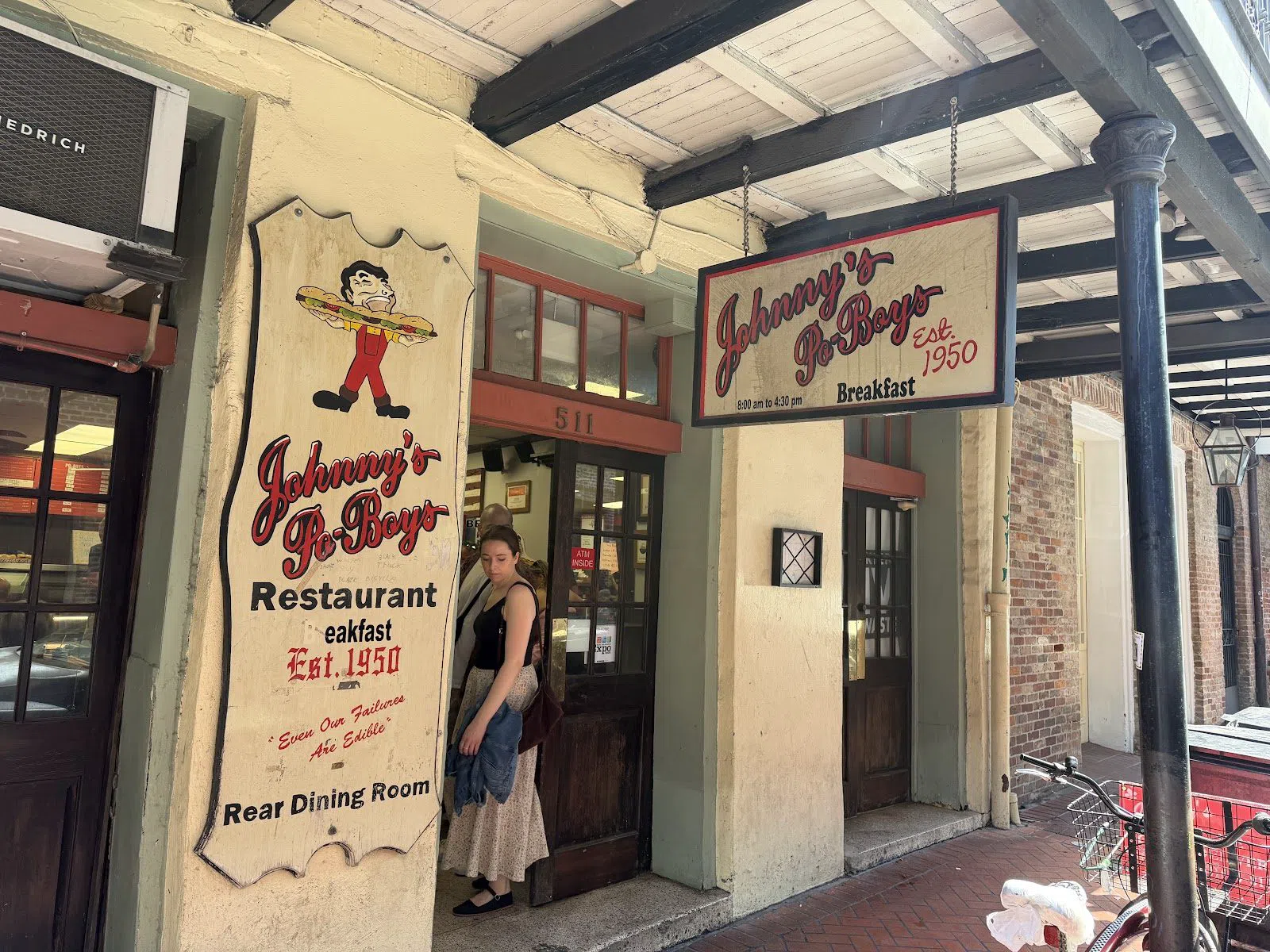
Johnny's Po-Boys, a few blocks off Jackson Square in the French Quarter, has been slicing bread for the same trade since 1950 — the oldest family-run po'boy shop still operating inside the Quarter, and the convenient anchor for a walking trail that starts near the cathedral. It's a small counter-service room, fine for two or three people grabbing lunch between sightseeing stops, tight if you're a group of six trying to find seats during the noon rush. Order at the register, take a number, and don't expect table service or much conversation with the person behind the counter — they're moving fast.
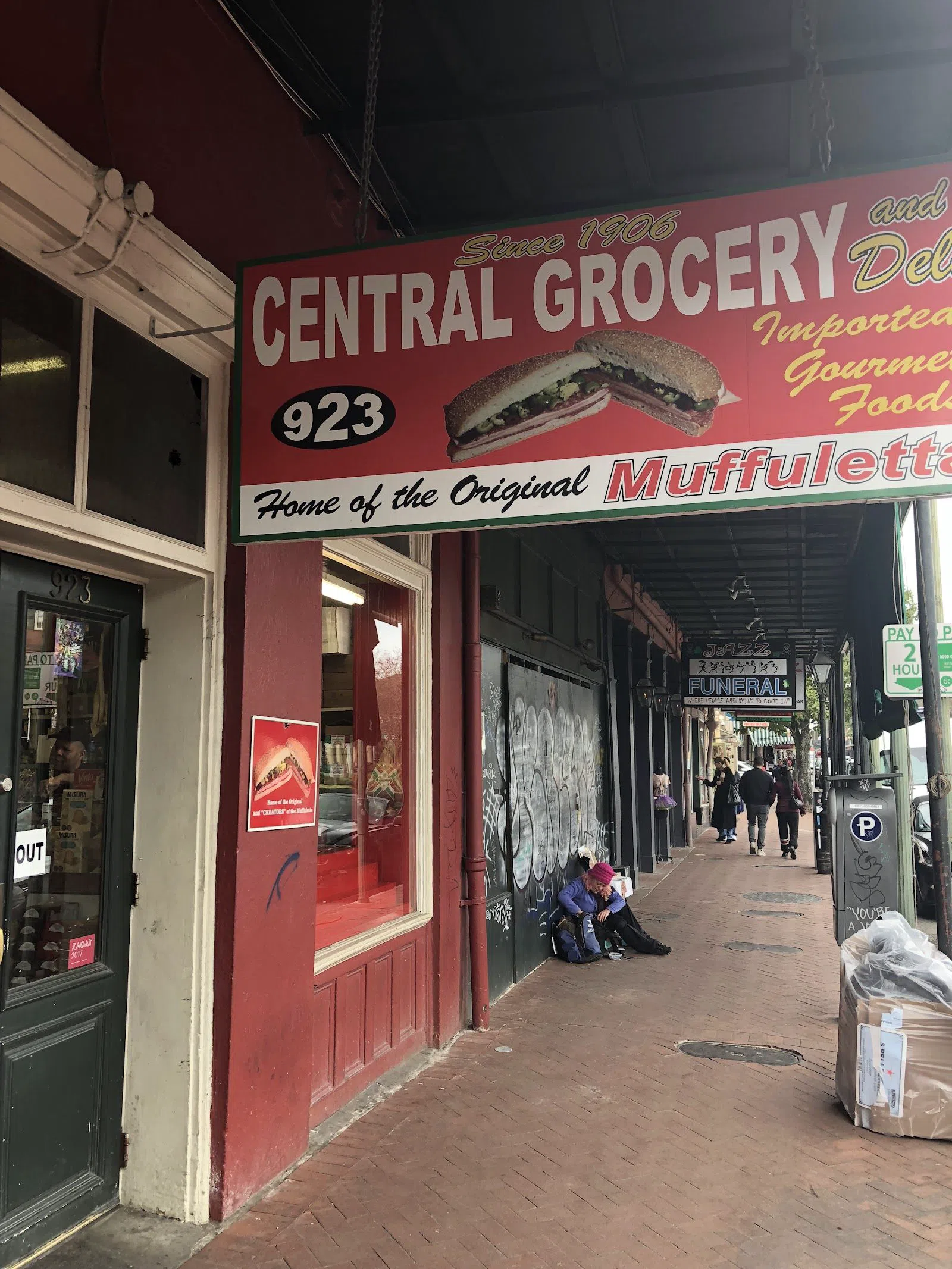
A ten-minute walk away on Decatur Street sits Central Grocery & Deli, the Sicilian-run grocery that invented the muffuletta around the turn of the last century — round Italian bread, layered cured meats, provolone, and an olive salad the shop still blends in-house. It reopened at its restored Decatur Street home in December 2024 after the long closure that followed Hurricane Ida, and it's essential to any trail claiming to cover the sandwich's origin story, even though a muffuletta is technically a cousin rather than a po'boy proper. There's no seating inside — buy a half or a whole one at the counter, cut into wedges, and carry it across the street to eat on the riverfront steps, which is how most regulars do it anyway. It's a $$ stop, and worth ordering a whole one if there are three or more of you; it keeps.
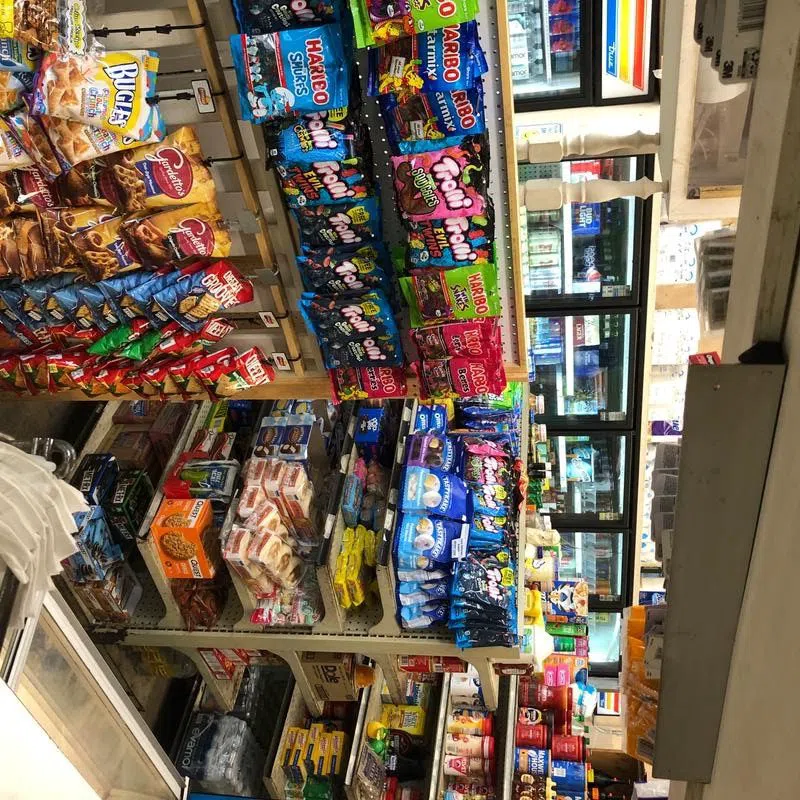
For the 3am version of this trip, there's Verti Marte, the French Quarter's 24-hour deli that never turns its grill off. It's walk-up counter only, no chairs, no exceptions — a stop for splitting a group up and sending one person in to fetch sandwiches rather than a place anyone sits down at. The All That Jazz, loaded with everything the grill happens to have going, is the shop's answer to last call, and at $ it's the cheapest bite on this whole route.
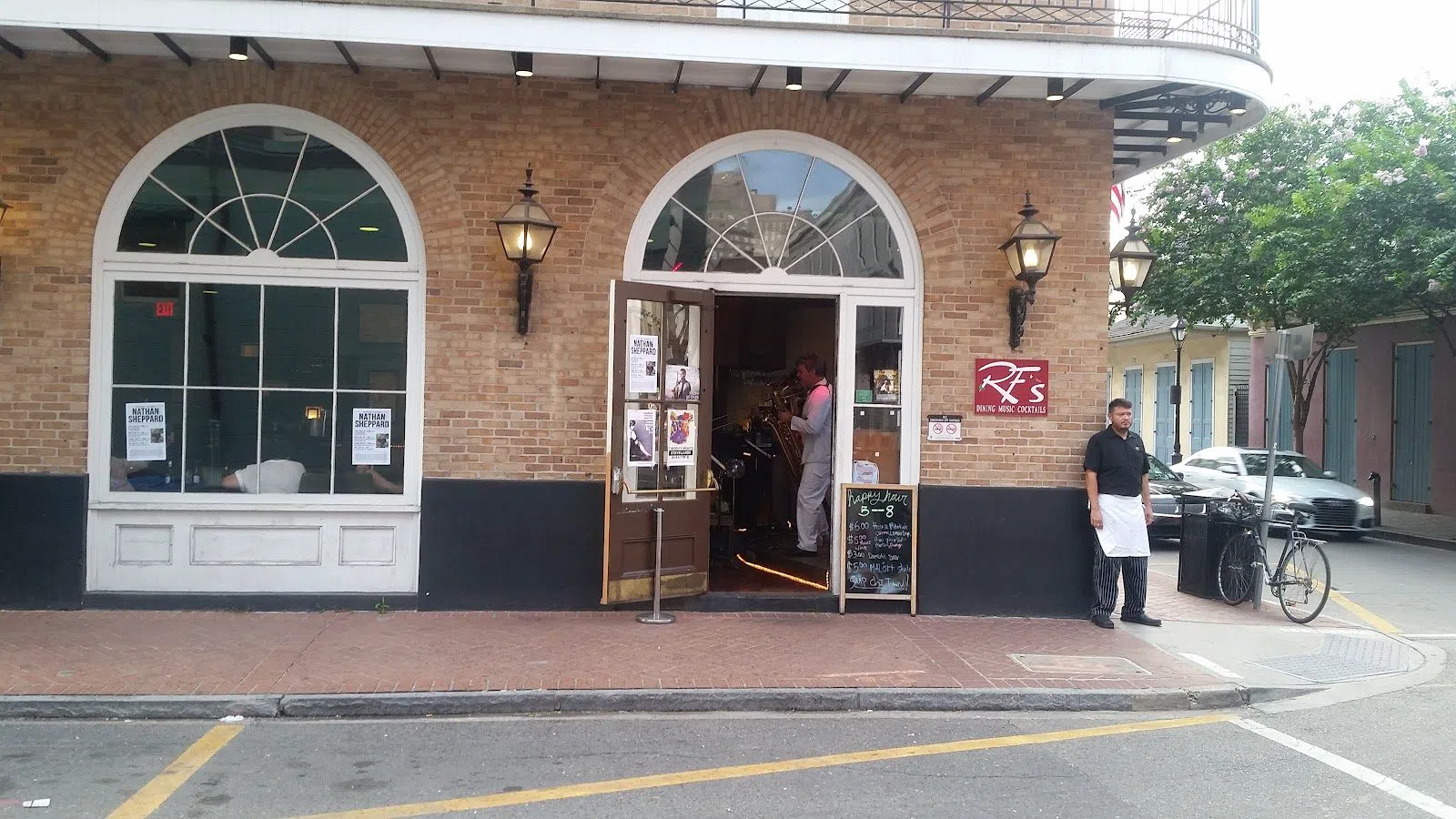
Tucked behind the bar Erin Rose is Killer PoBoys, the Quarter's clearest signal that the sandwich is still evolving — glazed pork belly, Vietnamese-inflected pickles and herbs, and other riffs that update the format without losing the bread-and-gravy DNA underneath. The original location is genuinely tiny, workable for two to four people standing or perched at a narrow counter; the second outpost on Dauphine Street has a bit more breathing room if your group runs larger. Neither takes reservations, and at $$ it's a notch pricier than the classic counters, which the ingredients justify.
Plan your New Orleans trip
Live prices from our booking partners.
Free cancellation on many rooms. We may earn a commission when you book.
Uptown, Where the Locals Actually Eat
Once you're willing to drive, or ride the St. Charles streetcar, Uptown rewards the trip with the shops locals actually argue about.
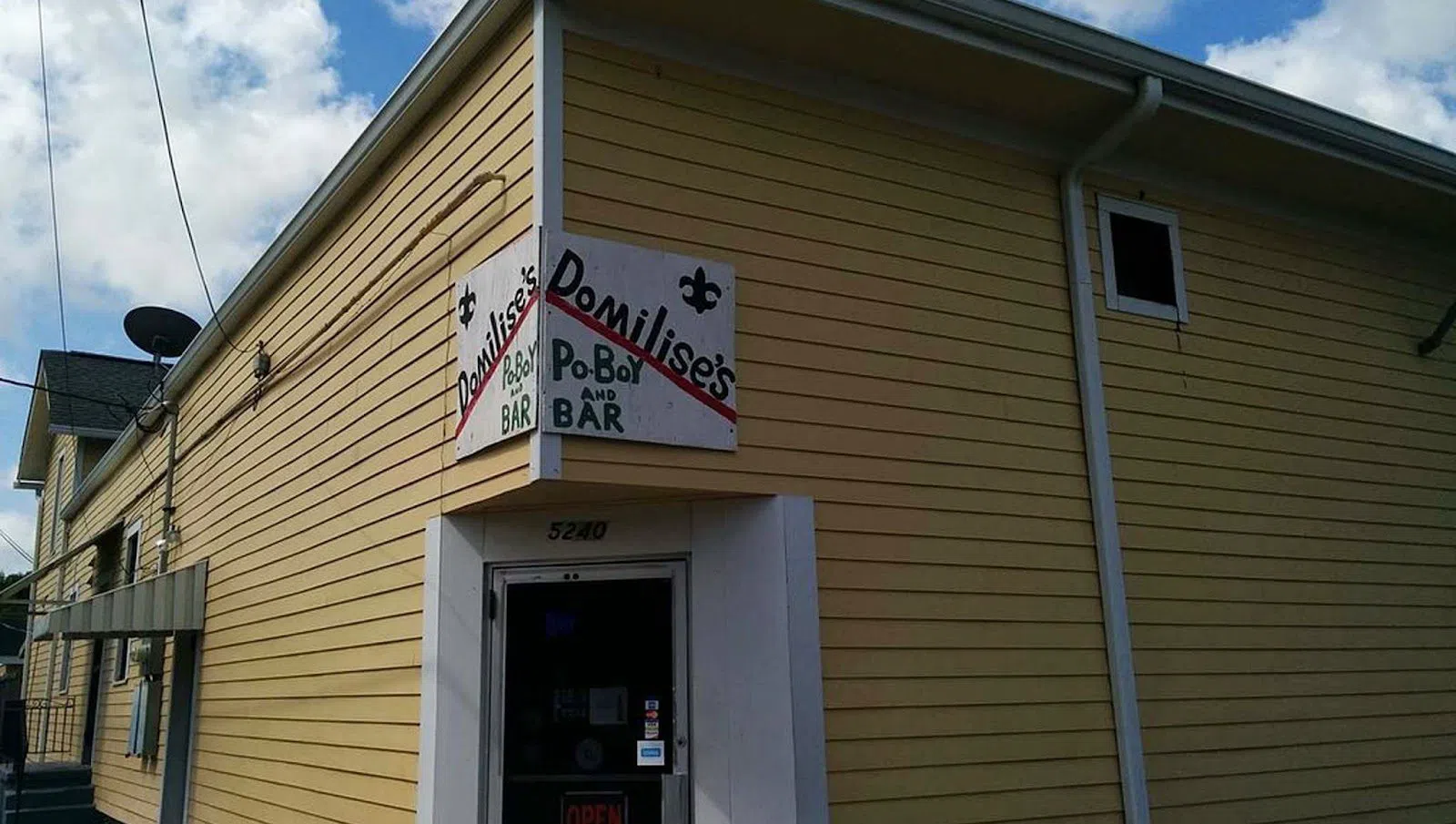
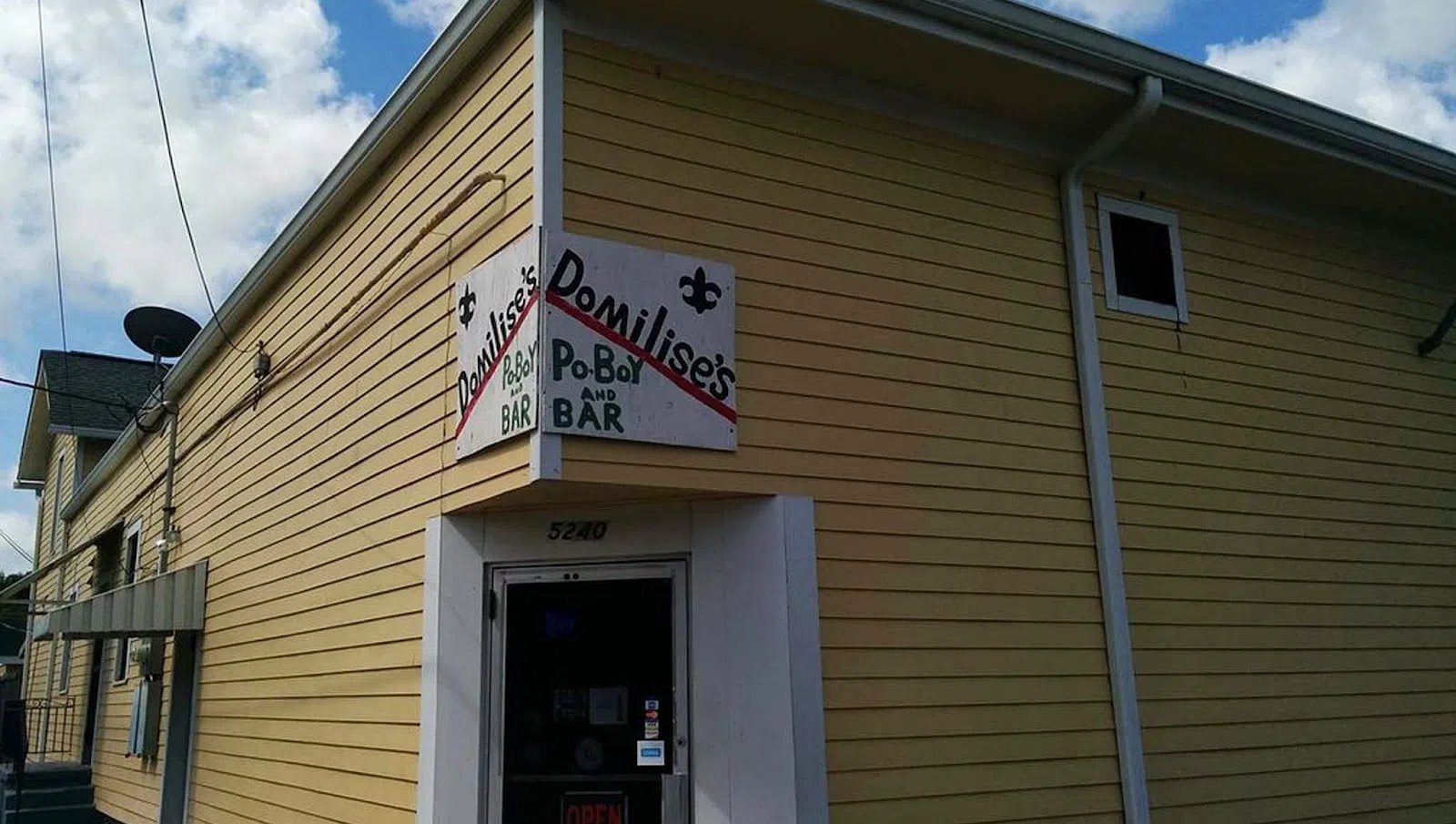
Domilise's Po-Boy & Bar, in a quiet stretch of Uptown near the river bend, is the benchmark — nearly a hundred years of frying shrimp and oysters the same way, dressed "everything" on request. It's cash-only, counter-order, no reservations, and the dining room is a scatter of mismatched tables that were never designed to seat a party of eight together; go in pairs or threes and expect to split up if your group is bigger than that. At $$, this is the stop that decides whether the rest of the trail measures up, and it's worth building the day around rather than squeezing in as an afterthought.
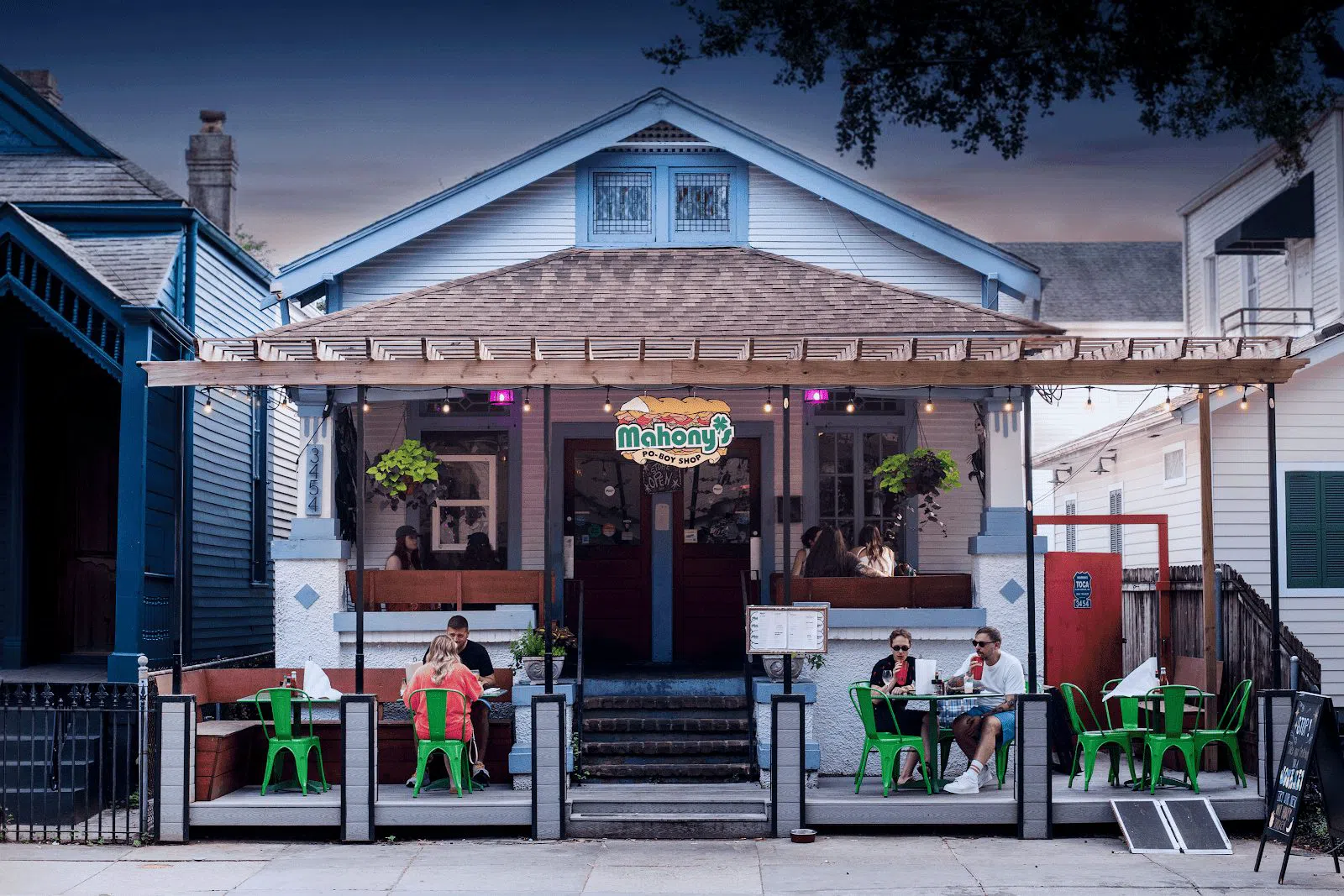
A few miles over on Magazine Street, Mahony's Po-Boys & Seafood reopened at its original address under the ownership team behind The Will & The Way, and it's known specifically for the Peacemaker — fried oyster and bacon on sweet-potato bread, a combination that sounds like a stunt and eats like a classic. The dining room and porch seating handle casual small groups comfortably; it's not a scene, just a solid $$ sit-down option between Uptown stops, and a good choice if the group wants to actually sit at one table together for once.
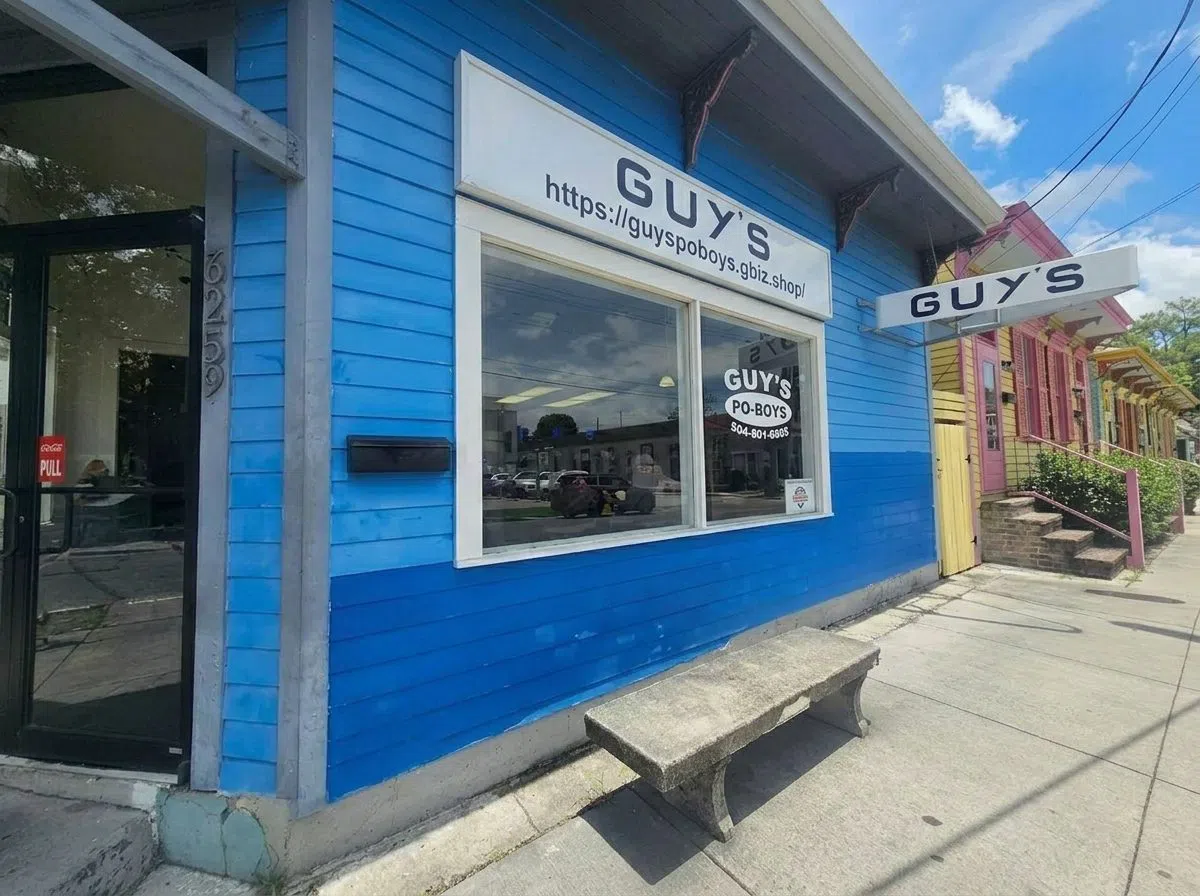
Further down Magazine, Guy's Po-Boys has been griddling softshell crab and grilled shrimp po'boys to order for 42 years out of a counter room barely big enough to turn around in. It's a $ stop that suits two or three people who don't mind eating standing up or on the curb outside; it is not built for a group booking, and there's no illusion otherwise — order, wait for your name, done. It's the quieter, locals-favorite counterpoint to the bigger names on this list, and worth the stop precisely because it isn't trying to be a destination.
The Roast Beef Debris Belt
No po'boy trail is complete without the style built on gravy rather than frying oil, and two stops define it at opposite ends of the tourist-to-local spectrum.
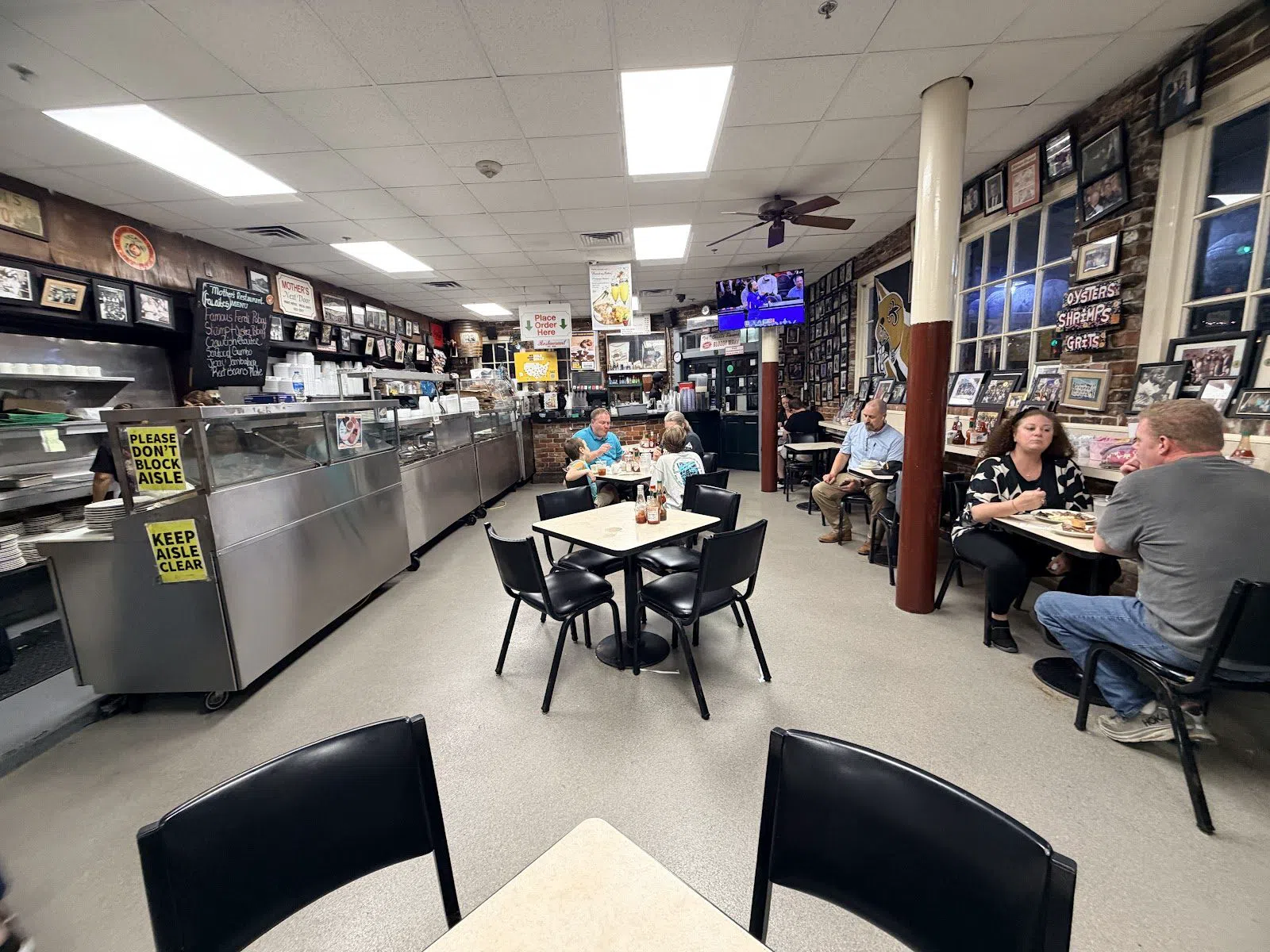
Mother's Restaurant, near the Central Business District, has served the Ferdi Special — ham, roast beef, and "debris," the gravy-soaked scraps that fall off the roast during cooking — since 1938. It's cafeteria-style at $$, handles groups and tour crowds without blinking, and is honest about being touristy; it's also the correct reference point for what debris-style actually means, which is why it earns its place despite the queue that regularly runs out the door at lunch. Go once, understand the style, then judge everyone else against it.
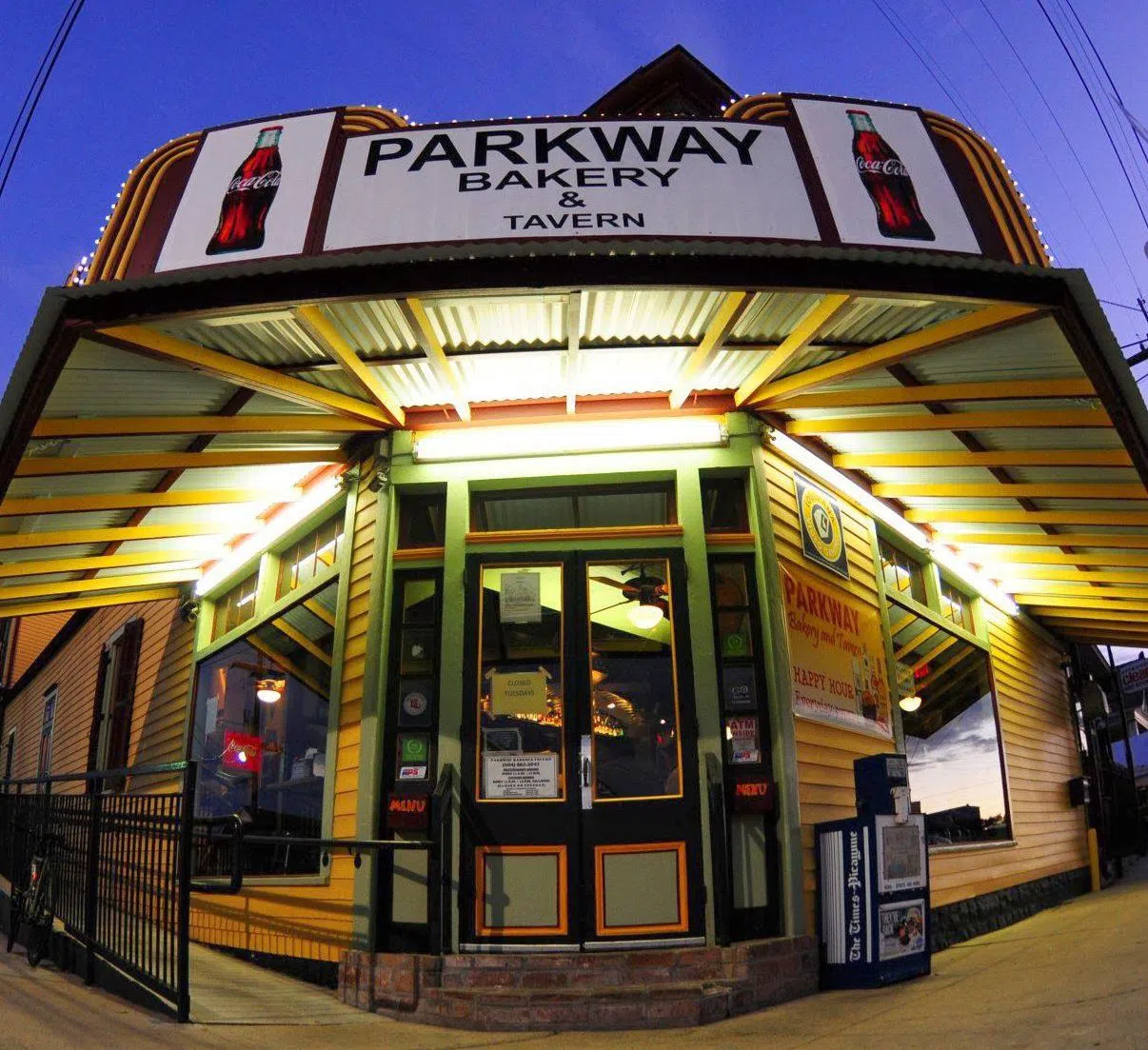
Over in Mid-City, Parkway Bakery & Tavern makes the version most New Orleanians would actually order for themselves — this is the roast beef debris po'boy Barack Obama ordered on a visit, and for good reason: it's soaked through, needs a fork for the drips, and comes in a proper $$ dining room with patio seating that takes walk-in groups and tour buses without complaint. If a reader can only make one debris stop on the whole trail, this is the easier sell — comfortable seating, no cash-only trap, and a sandwich that needs no translation for a first-time visitor.
Modern Riffs on the Form
Three stops push the po'boy somewhere the Martin brothers never imagined, and they're worth grouping together as the trail's chef-driven detour.
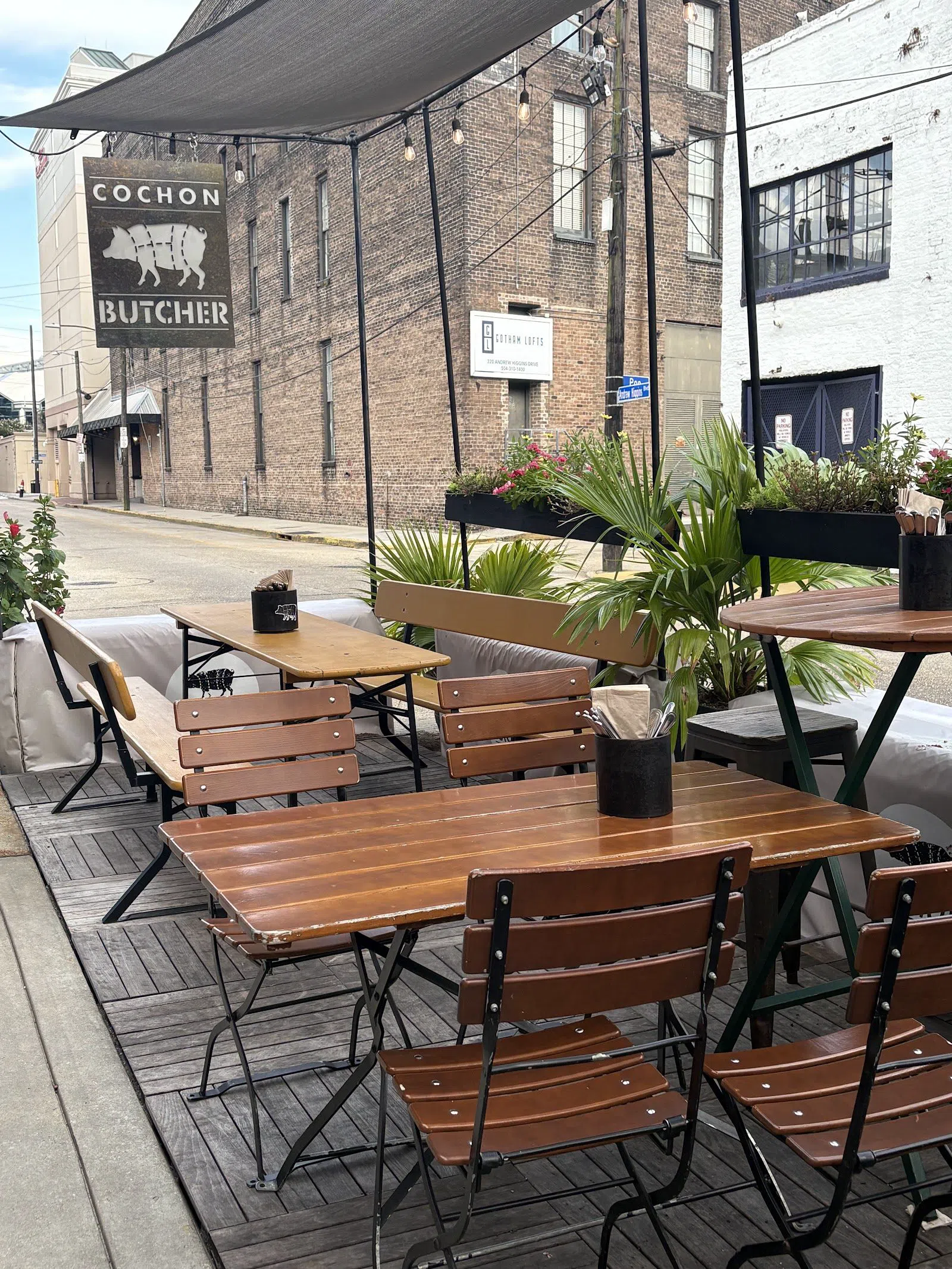
Cochon Butcher, Donald Link's butcher-shop spinoff in the Warehouse District, turns the sandwich counter into a full sit-down restaurant — a muffuletta and a Cuban-leaning Andouille sandwich sit alongside the classics on the board, and it's the one stop on this list that takes reservations and genuinely wants a crowd. At $$, it's a good fit for a group that wants to sit and order a glass of wine with lunch rather than eat standing at a counter, and it pairs naturally with the earlier classic stops as a chef's-eye bookend to the day.
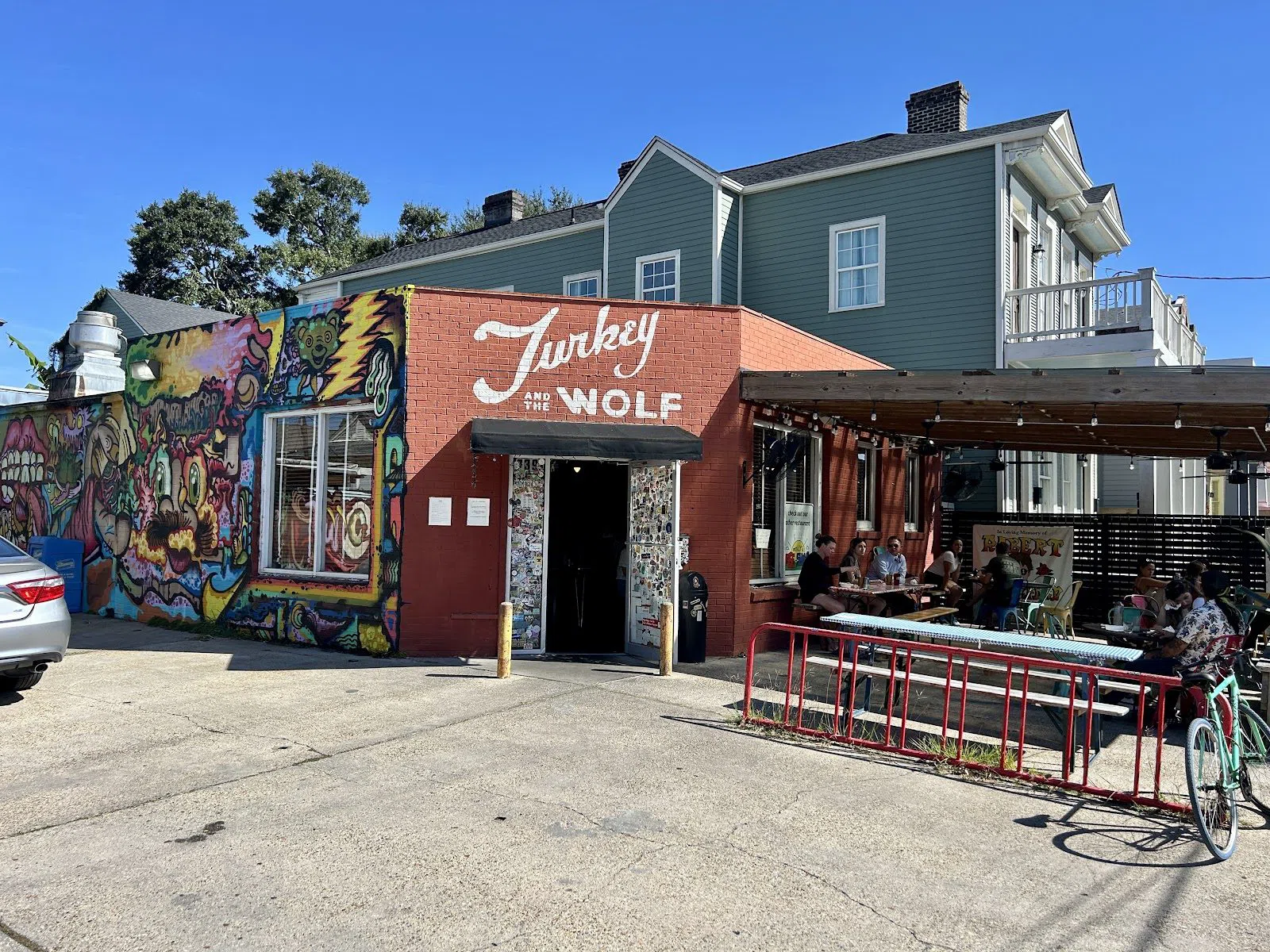
In the Irish Channel, Turkey and the Wolf is James Beard Award-winner Mason Hereford's reinvention of Southern sandwich culture — more diner than strict po'boy shop, technically, but its magazine-cover presence and playful menu make it the trail's most photographed stop. The $$ room is small and diner-style, best for small groups, and the wait at peak lunch is real; go early, or accept the line as part of the experience.
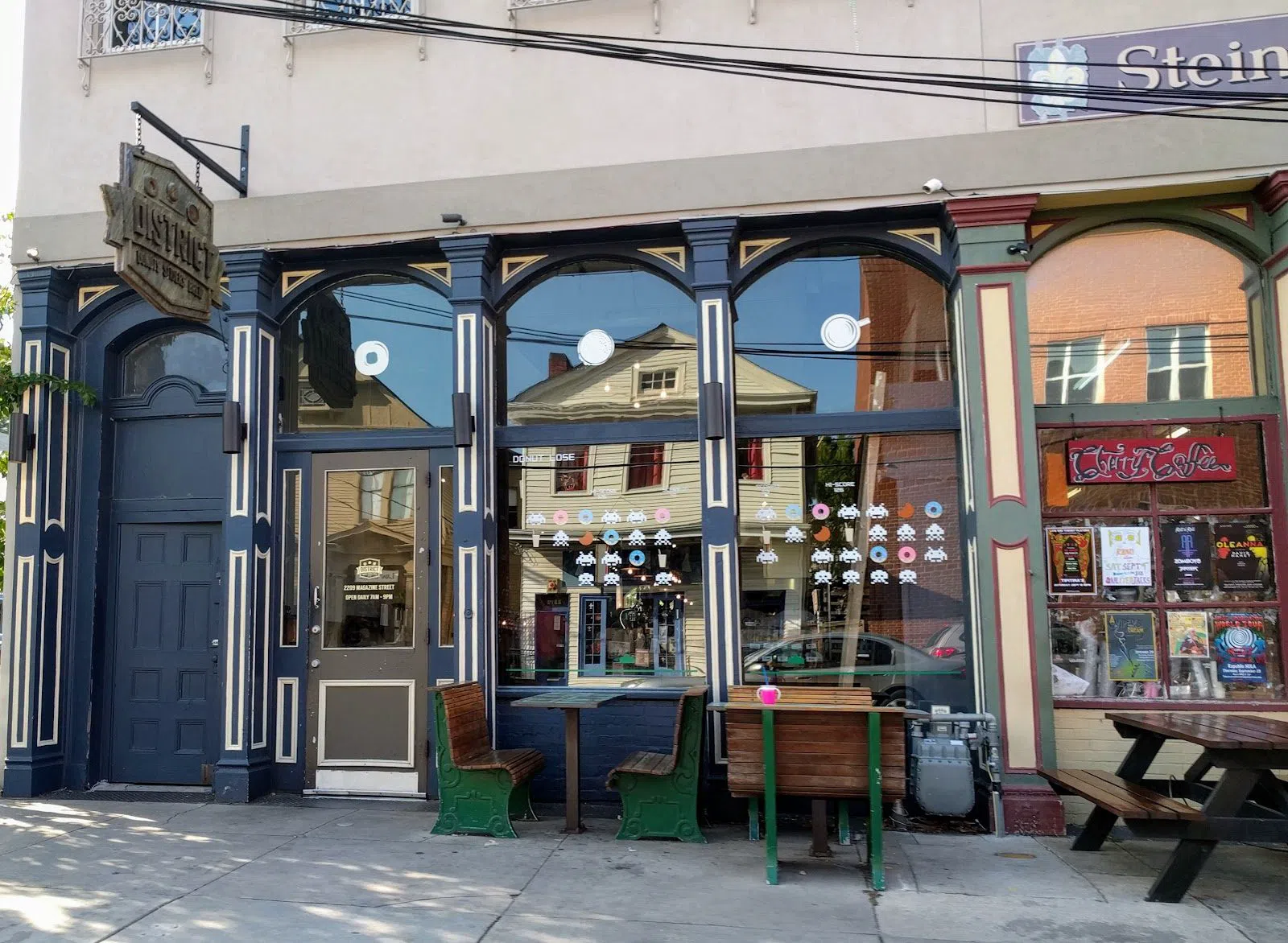
Stein's Market and Deli, in the Lower Garden District, is the honest outlier here — a Jewish-Italian deli rather than a po'boy shop, its own muffuletta and pastrami riff worth a deliberate detour rather than a core stop. The counter and limited seating suit two to four people, not a crowd, and at $$ it belongs on this list with a caveat rather than a straight recommendation: come here for the deli cousin of the sandwich, not the sandwich itself.
Worth the Drive
Two stops sit outside the city core, both worth the detour if a reader is doing this properly, in a car, over a full day.
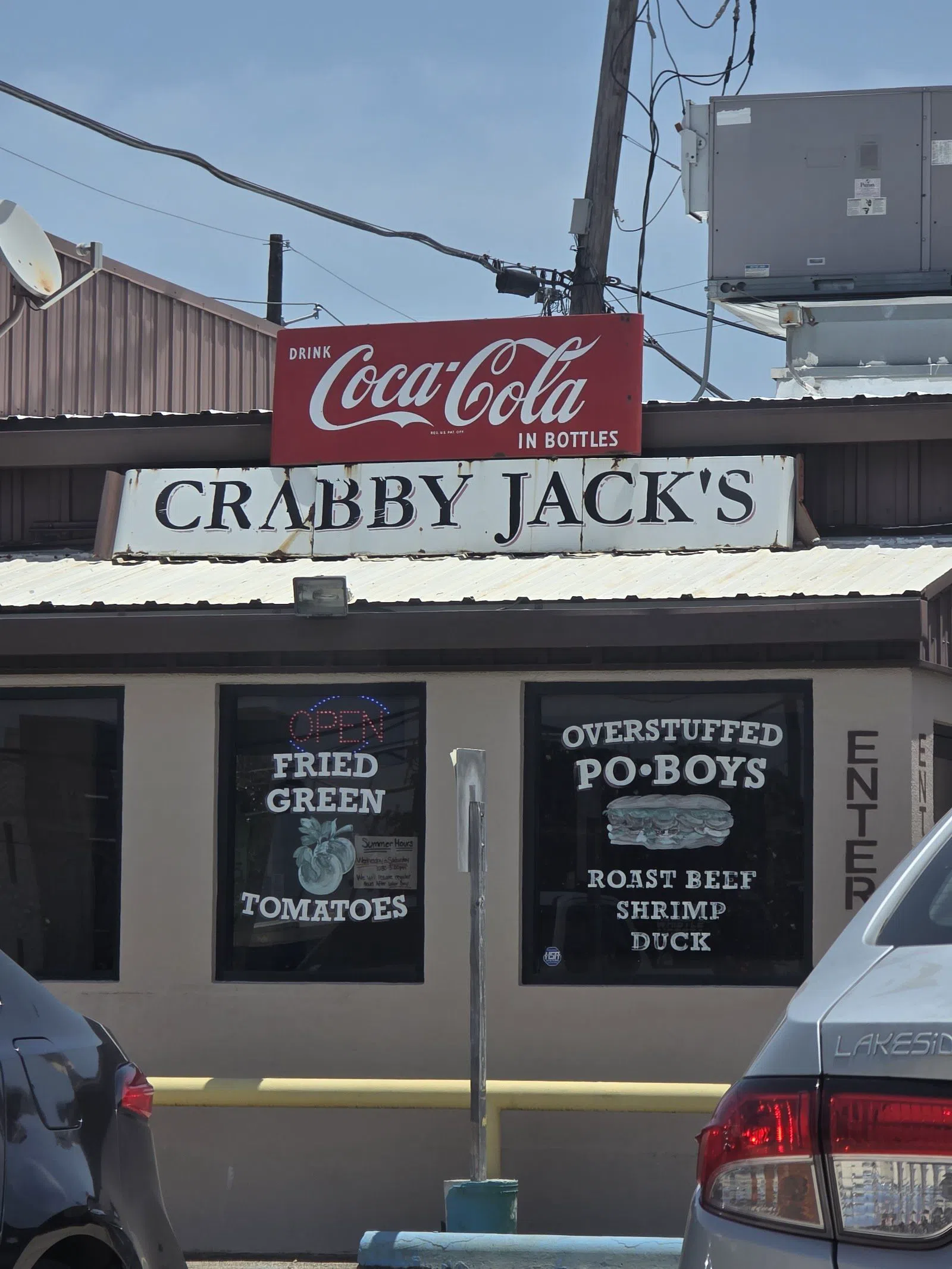
Crabby Jack's, a short drive from the Quarter, is the trail's outlier for portion size — the fried rabbit and cochon de lait po'boys here are large enough to share, though the small $ dining room and counter service mean this works best for a few people rather than a group. It's the stop to save for readers already committed to a full-day crawl rather than a casual first-timer squeezing in one sandwich between flights.
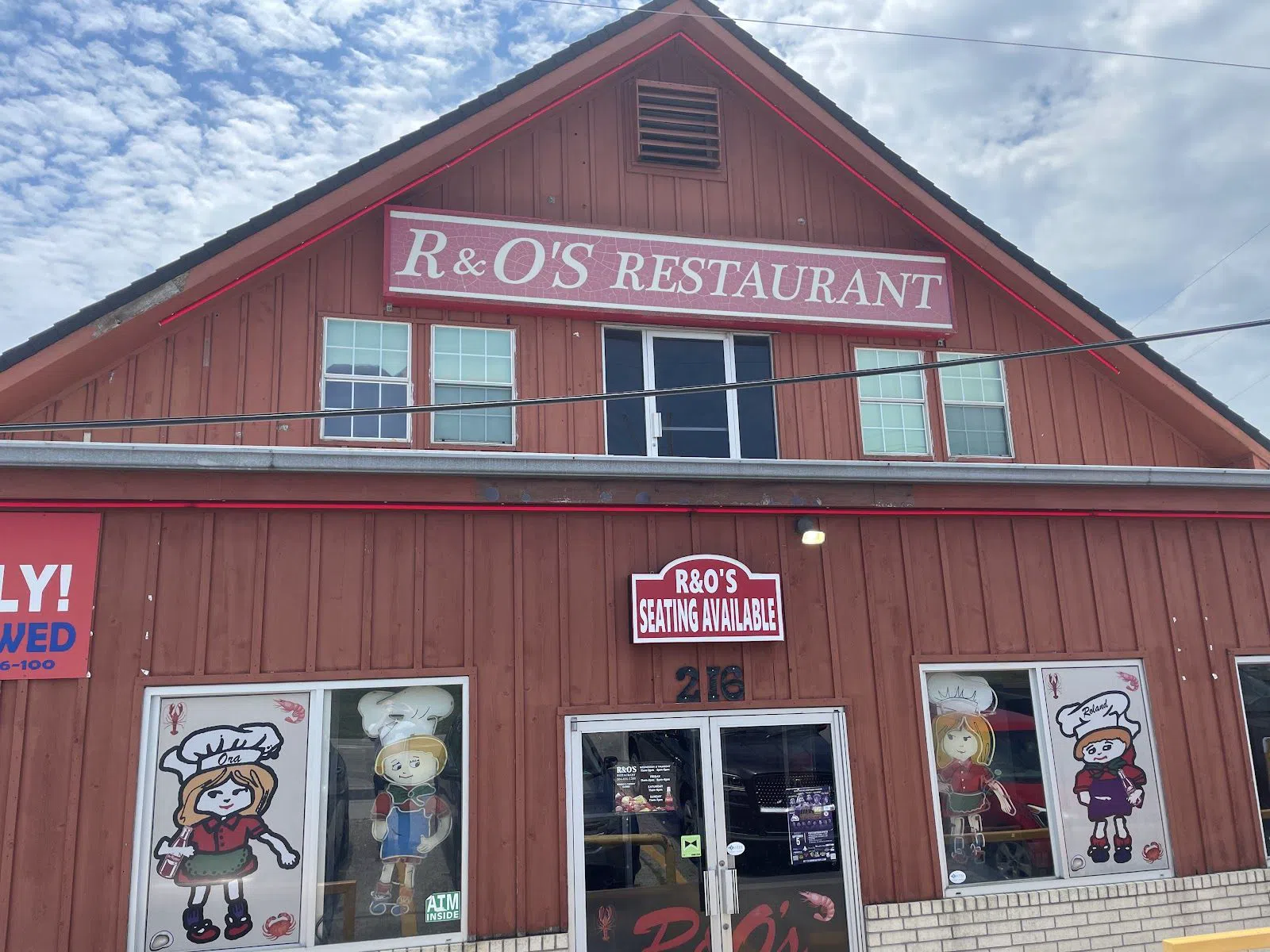
Just past the city line in Bucktown, R&O's Restaurant serves its fried seafood po'boy in a proper sit-down tavern setting, reservations helpful on weekends. It's less about crawling counter to counter and more about ending the day with an actual meal at $$, which makes it a sensible last stop if the rest of the day has been standing-room-only.
Planning the Trail
Most of these stops don't take cards below a certain amount, and a few — Domilise's chief among them — don't take cards at all; carry cash for the counter-service shops and treat any card machine as a bonus rather than a given. None of the counter shops take reservations; Cochon Butcher and R&O's are the two exceptions worth booking ahead for a weekend lunch or dinner.
A rental car or rideshare budget is close to essential if the plan covers the French Quarter, Uptown, Mid-City, Jefferson Parish, and Bucktown in one day — the Quarter cluster is walkable on its own, but everything past Central Grocery requires wheels. The St. Charles streetcar covers the Uptown stretch reasonably well if driving isn't an option. Lunch, 11am to 2pm, is the safest window for the busiest shops; Domilise's, Parkway, and Mother's all queue hard at peak, and arriving by 11:15am or after 2pm avoids the worst of it. Verti Marte's whole appeal is that it doesn't care what time you show up.
Budget roughly $12–20 per sandwich at the counter shops, more like $20–35 a head for a sit-down stop like Cochon Butcher or R&O's once a drink is added. Doing the trail properly — six to eight stops, split among a group so nobody eats fourteen sandwiches alone — makes for a full day and a genuinely well-fed one. For where to base the trip, the New Orleans guide covers the wider city beyond the sandwich, and the New Orleans hotel search is the place to start booking somewhere central enough to reach both the Quarter cluster and the Uptown stretch without losing the day to transit.
Before you go
What's the difference between a po'boy and a muffuletta?
A po'boy is built on New Orleans French bread with fillings like fried shrimp, oysters, or roast beef debris; a muffuletta uses round Italian bread and is layered with cured meats, cheese, and olive salad. Central Grocery and Stein's both serve muffulettas, not po'boys, though both belong on a sandwich trail as the po'boy's closest cousin.
Do I need a car to do the whole po'boy trail?
For the French Quarter cluster — Johnny's, Central Grocery, Verti Marte, Killer PoBoys — no, it's walkable. Reaching Uptown, Mid-City, Bucktown, or Crabby Jack's out in Jefferson Parish means driving or a rideshare; the St. Charles streetcar covers the Uptown stretch reasonably well as an alternative.
Which po'boy shops take reservations?
Almost none. Cochon Butcher and R&O's Restaurant are the two exceptions worth booking ahead, especially on weekends. Every other stop on this list is walk-in, counter-order, first-come.
What does 'dressed' on a New Orleans po'boy mean?
Dressed means lettuce, tomato, pickles, and mayonnaise added to the sandwich — the standard way to order a fried po'boy at shops like Domilise's, where asking for it 'dressed' or 'everything' gets you the full version rather than the bread-and-filling base.
Is one day enough to cover the whole trail?
Not all fourteen stops, and nobody should try — that's a full day of eating for one person. Six to eight stops split among a group, grouped by the clusters above, makes for a satisfying full day without repeating a neighbourhood twice.