The New Orleans issue, October 2026
New Orleans
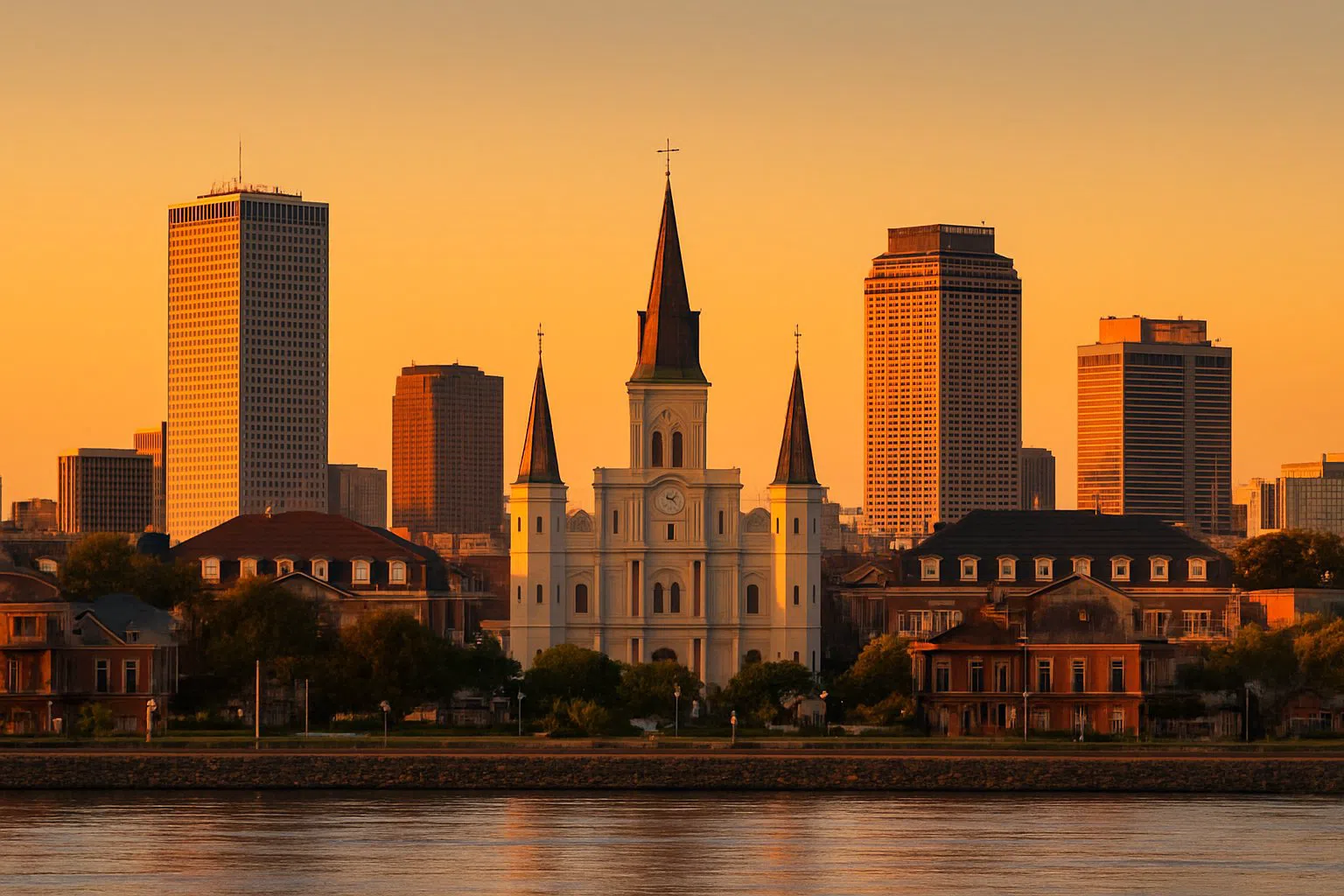
New Orleans is a city defined by its relationship with water, heat, and time.
Plan your New Orleans trip
Live prices from our booking partners.
Guests & rooms
Free cancellation on many rooms. We may earn a commission when you book.
The New Orleans reading list
All 49 New Orleans stories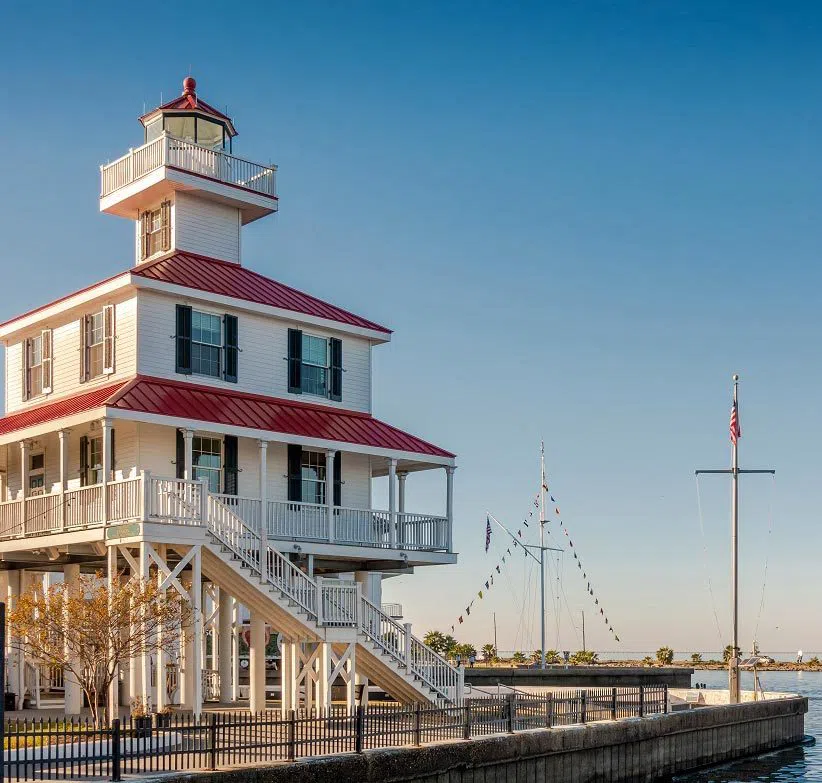
Tours and ticketsThe lead story
Half a Day on Lake Pontchartrain from New Orleans
The seawall is free, you can go inside the lighthouse, the swamp boats aren't actually on the lake, and one honest half-day is enough for all of it.
Robin de Vries
Tours and tickets
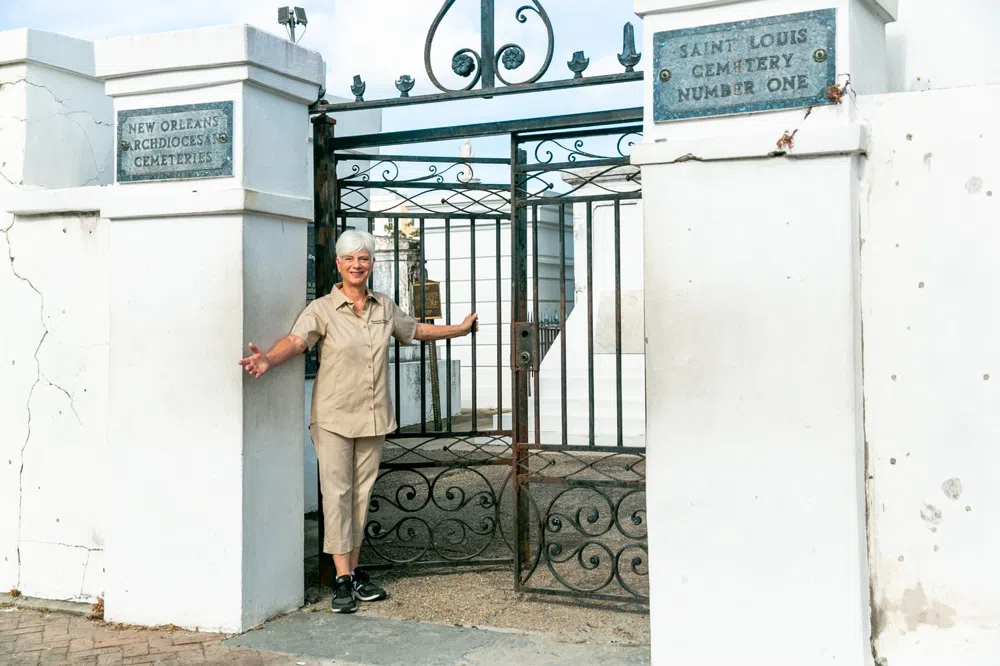
Inside St. Louis Cemetery No. 1 in New Orleans This September
The oldest cemetery in the city is the one you cannot walk into alone. Here is how guided entry works, what September heat does to the visit, and where the bus stops at the gate.
Robin de Vries
Tours and tickets
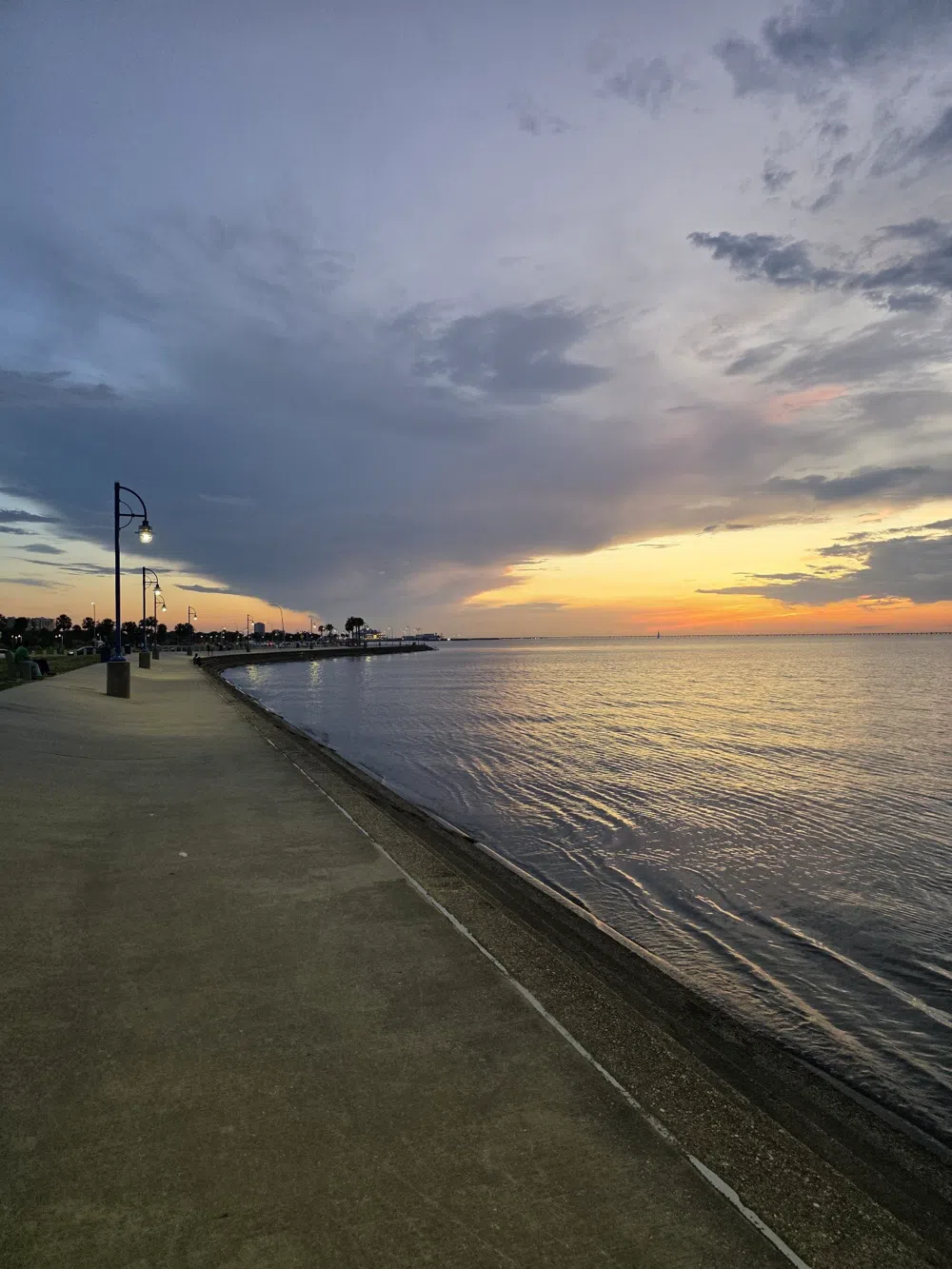
Climbing the New Canal Lighthouse on New Orleans' Lakefront
What you see inside the rebuilt lighthouse at the mouth of the New Basin Canal, what it costs, when it is shut, and how to build a half-day on the lake around it.
Robin de Vries
Tours and tickets
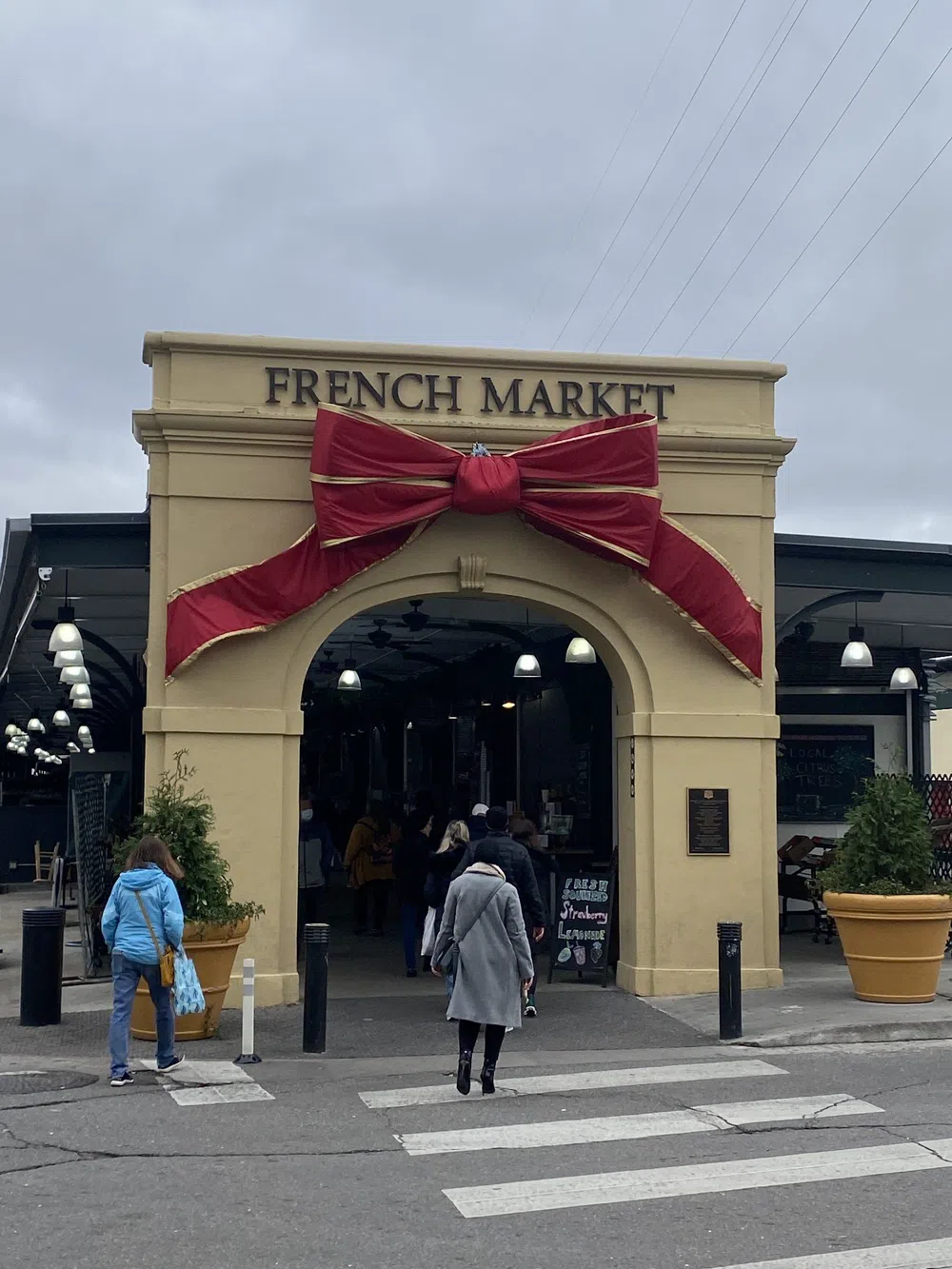
Walking the French Market in New Orleans Shed by Shed
A street-level account of the French Market: where the beignet queue breaks, which end of the sheds is worth your money, and what to eat when you get there.
Ines Carvalho
Tours and tickets
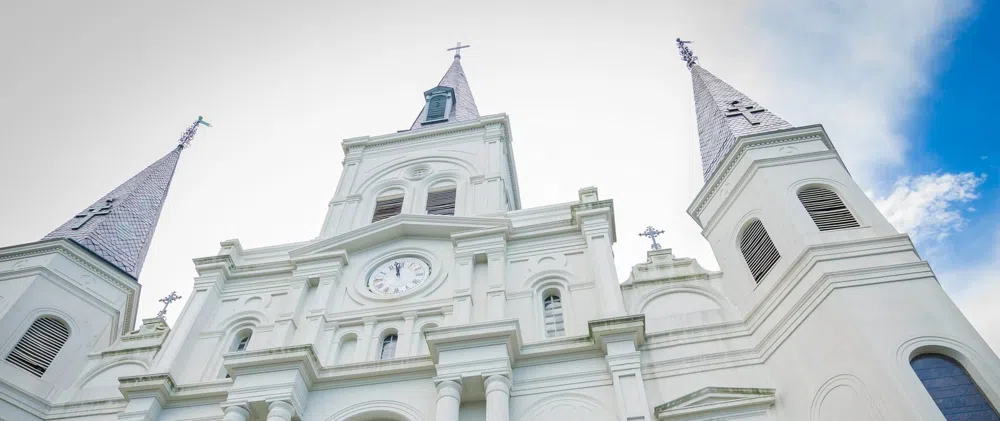
September Mornings at New Orleans' St. Louis Cathedral
Stand under the three spires on Jackson Square in September 2026: what you actually see inside, when the square is quiet, and what the hours around it are worth.
Robin de Vries
More from the New Orleans issue
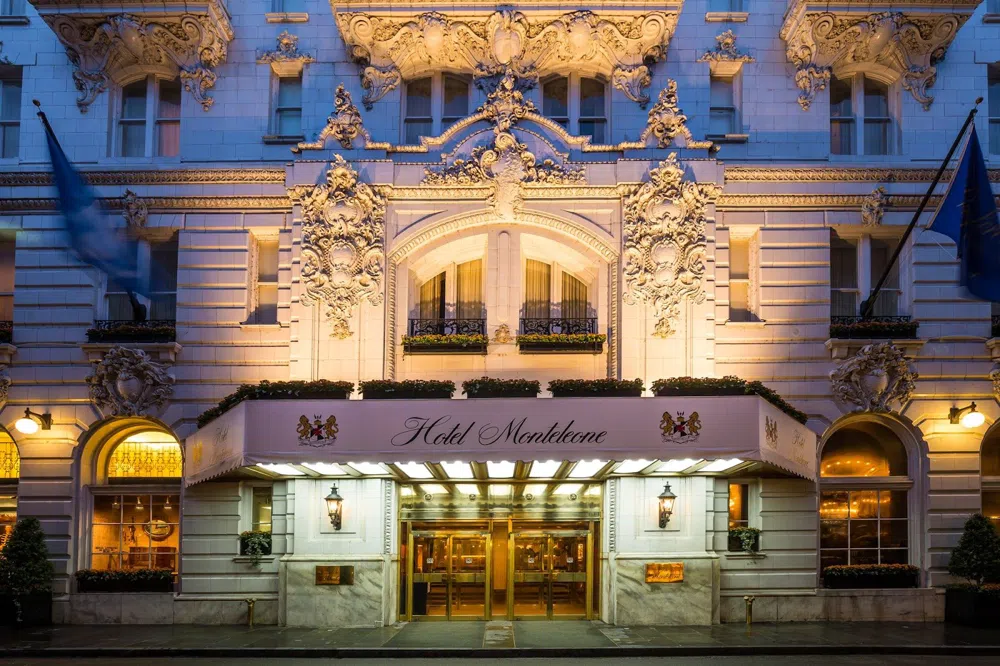
Where to Stay on Your First Trip to New Orleans
Robin de Vries
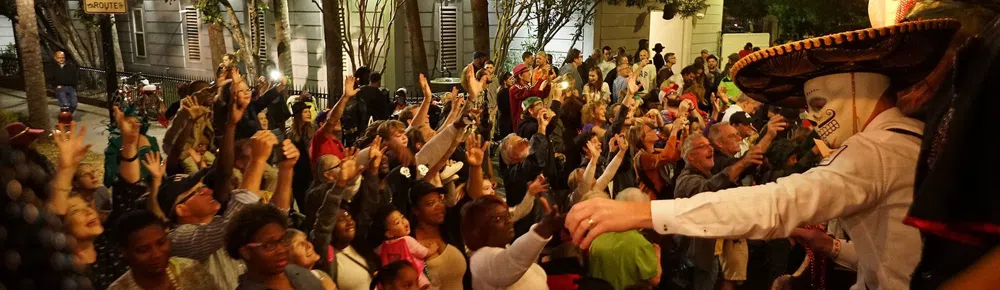
New Orleans in October, Weekend by Weekend to Halloween
Robin de Vries
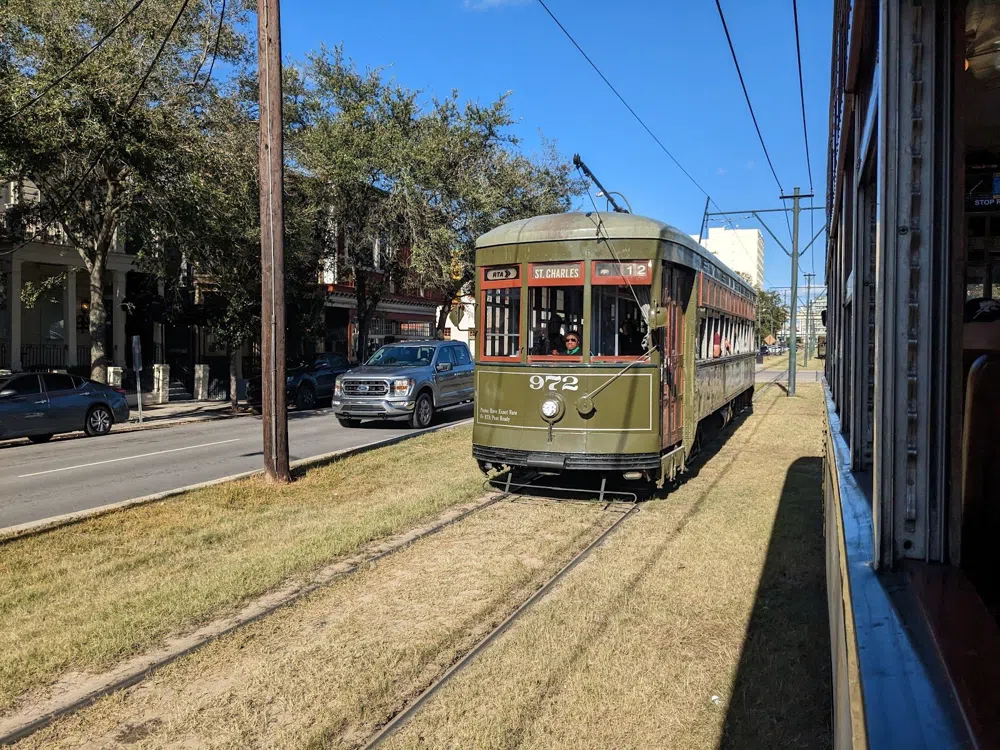
New Orleans by Streetcar, Ferry and Pedicab
Robin de Vries
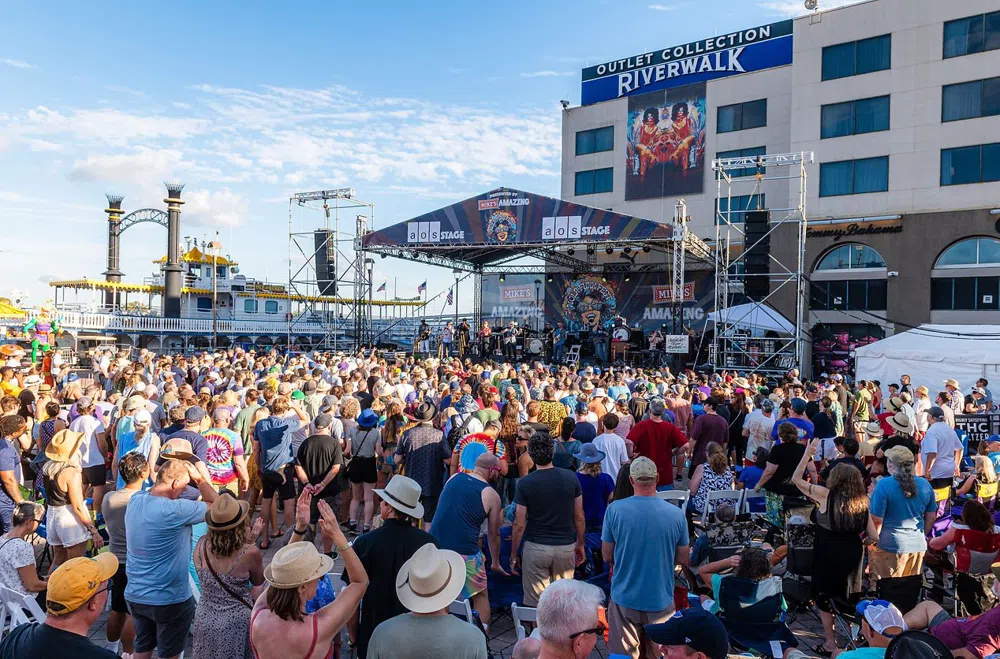
A New Orleans Weekend Built Around Three Days of Funk
Robin de Vries

Planning a Saints Weekend Around a Noon Kickoff in New Orleans
Robin de Vries
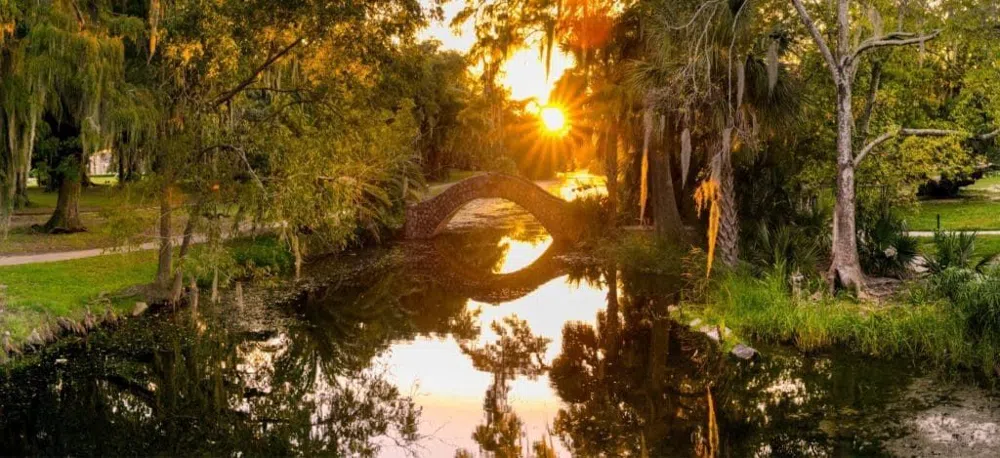
New Orleans for Kids, from City Park to the Bywater
Robin de Vries
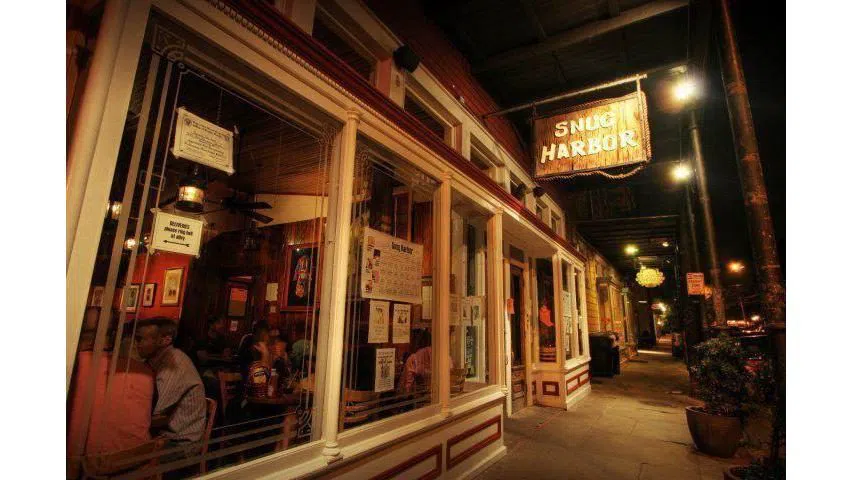
New Orleans Live Music This Week: 10–14 August 2026
Robin de Vries
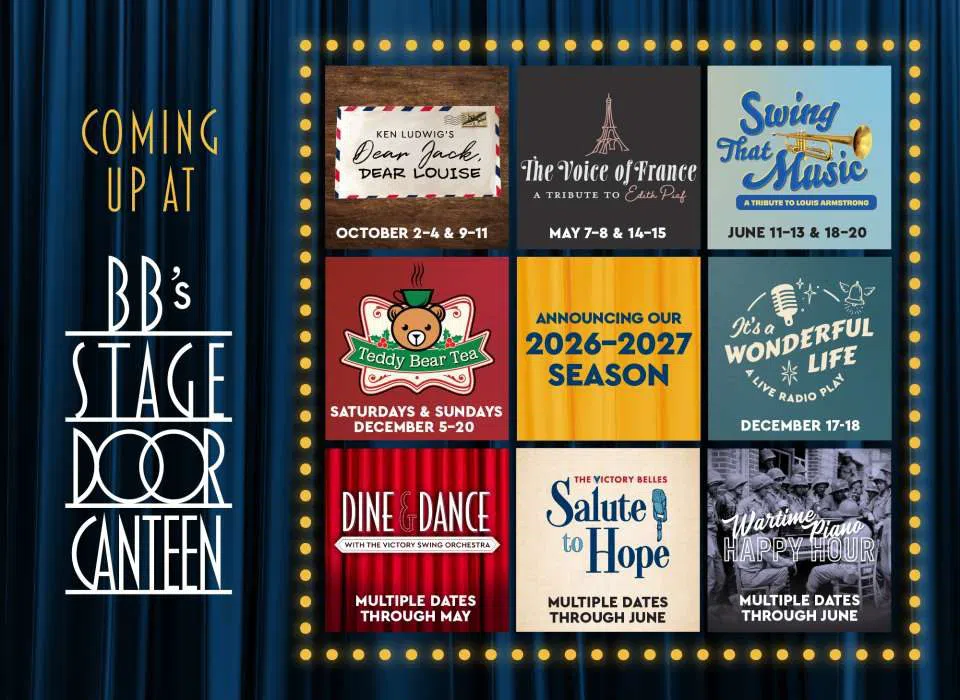
Cold Rooms and Cold Drinks for a New Orleans August
Ines Carvalho
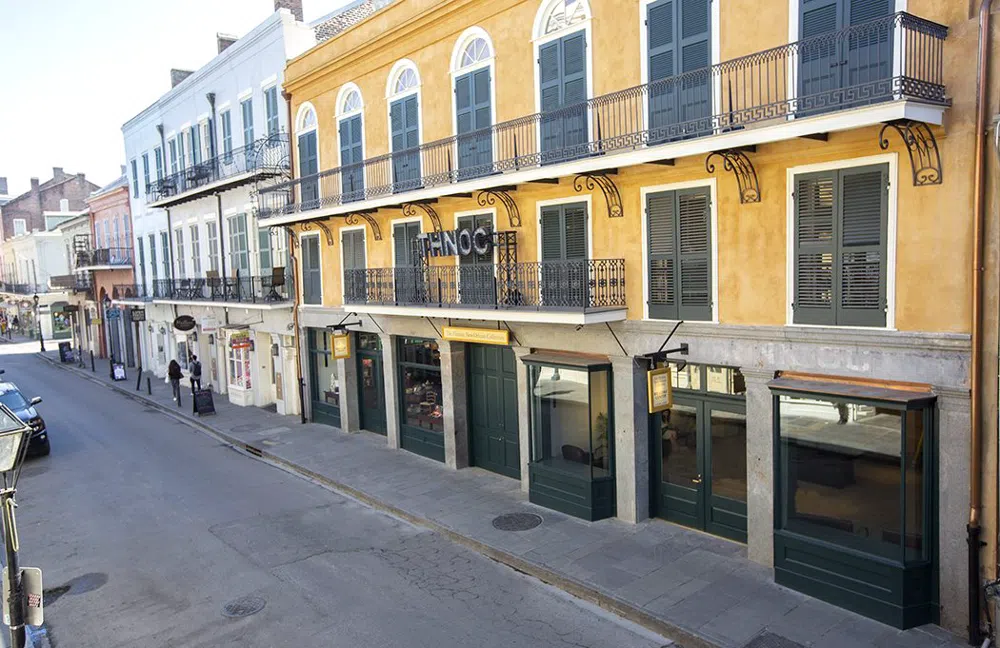
New Orleans in September Without Losing a Day to the Heat
Robin de Vries

New Orleans by Streetcar from Canal Street to the Riverbend
Robin de Vries
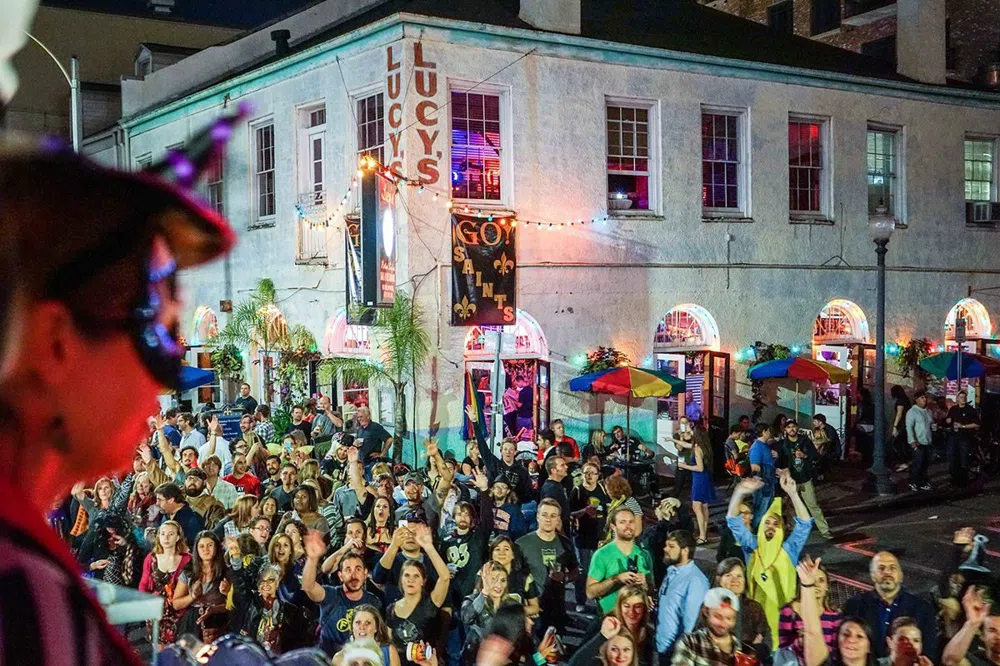
How to Watch Krewe of Boo Roll Through New Orleans
Robin de Vries

New Orleans in October for a Birthday and a Bayou Day
Robin de Vries
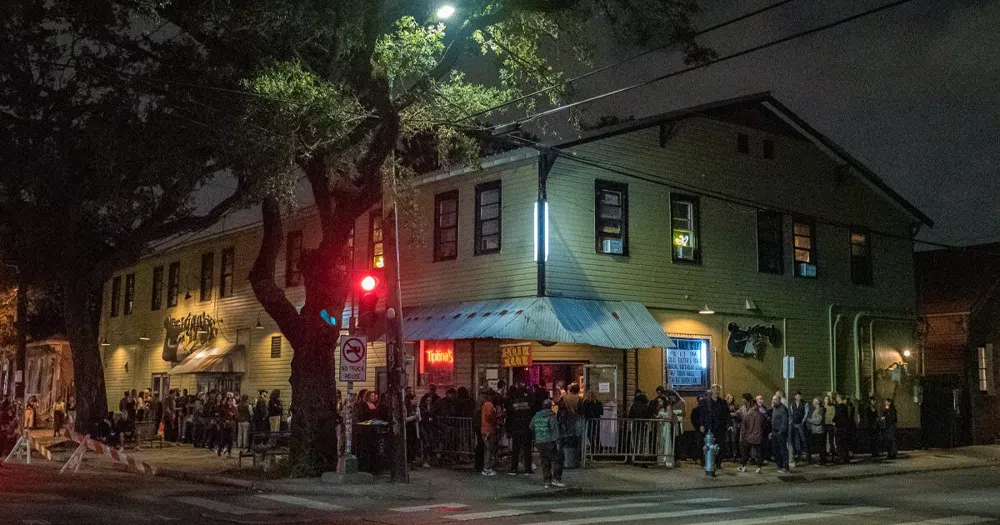
Eating and Dancing Through New Orleans Funk Fest 2026
Ines Carvalho

Mapping New Orleans, One Po'Boy at a Time
Ines Carvalho

Your First Day Walking Magazine Street in New Orleans
Robin de Vries
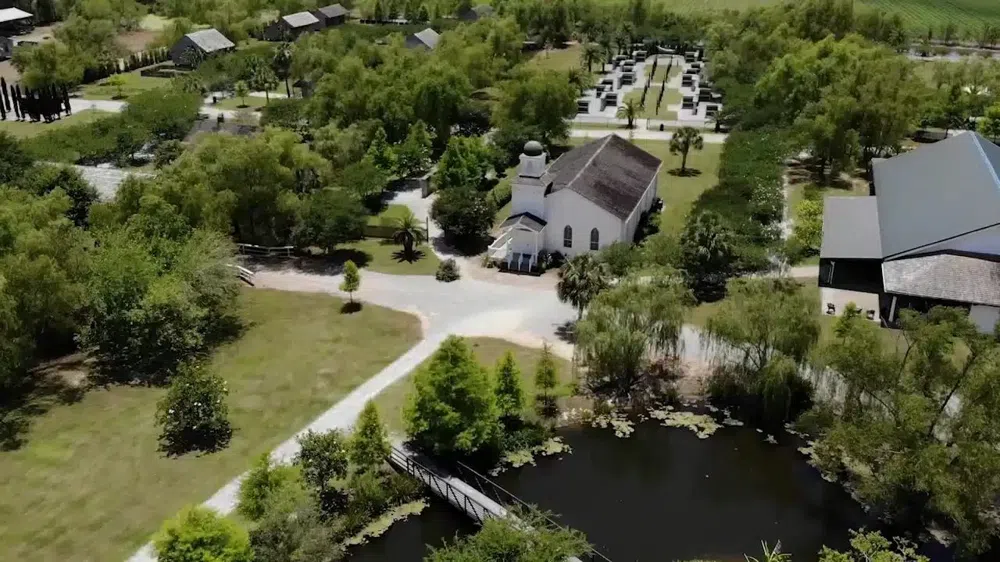
Swamp Boats and River Road Plantations Around New Orleans
Robin de Vries
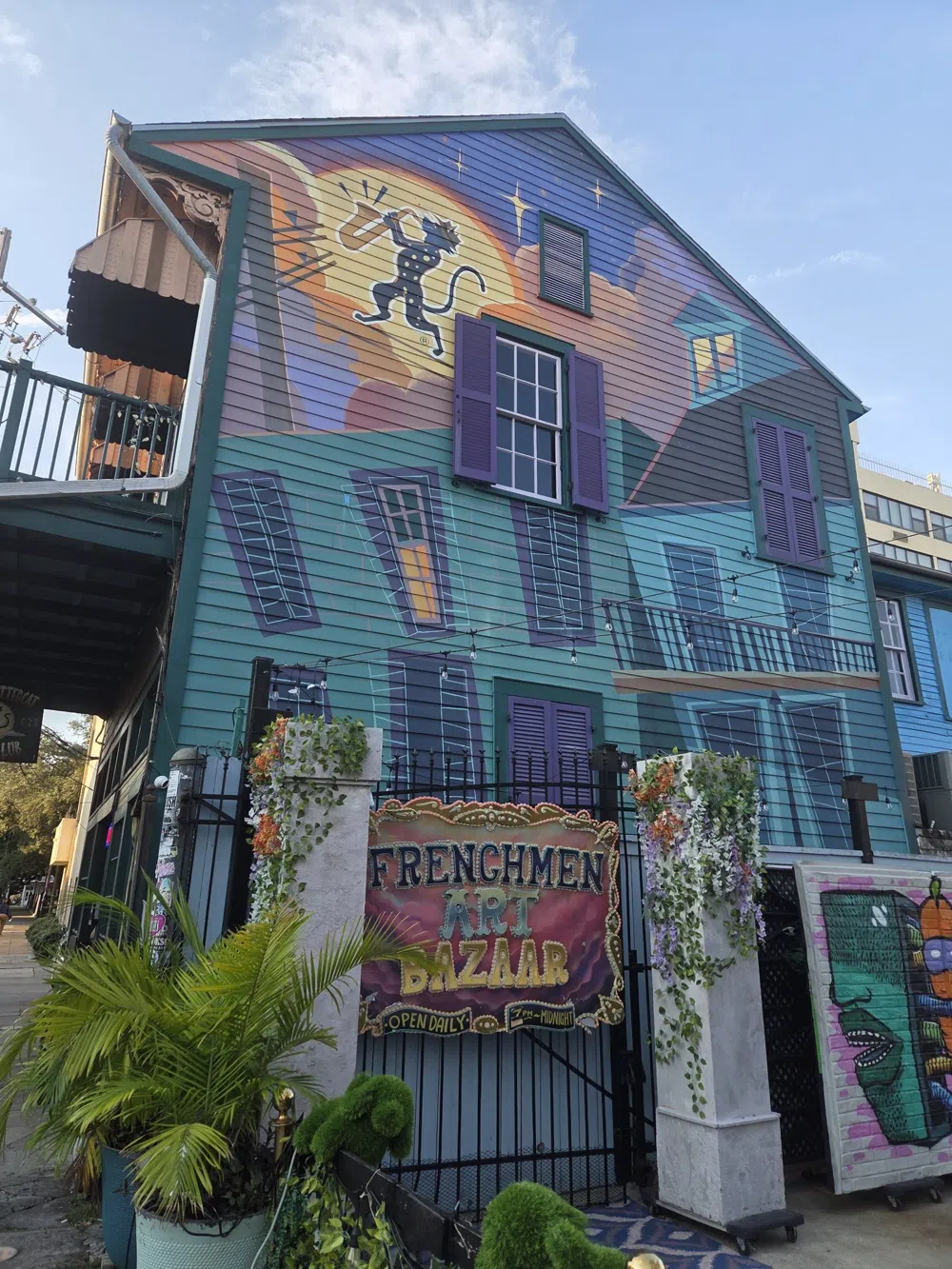
Four Days in New Orleans Around One October Show Night
Robin de Vries
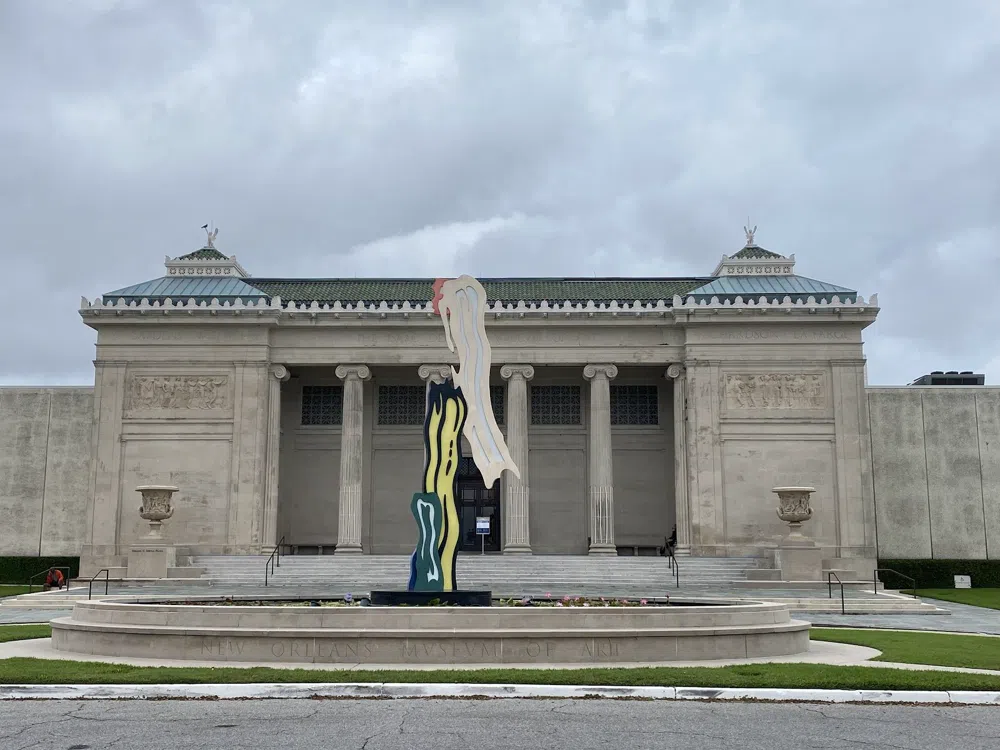
Walking New Orleans City Park from NOMA to the bayou
Robin de Vries
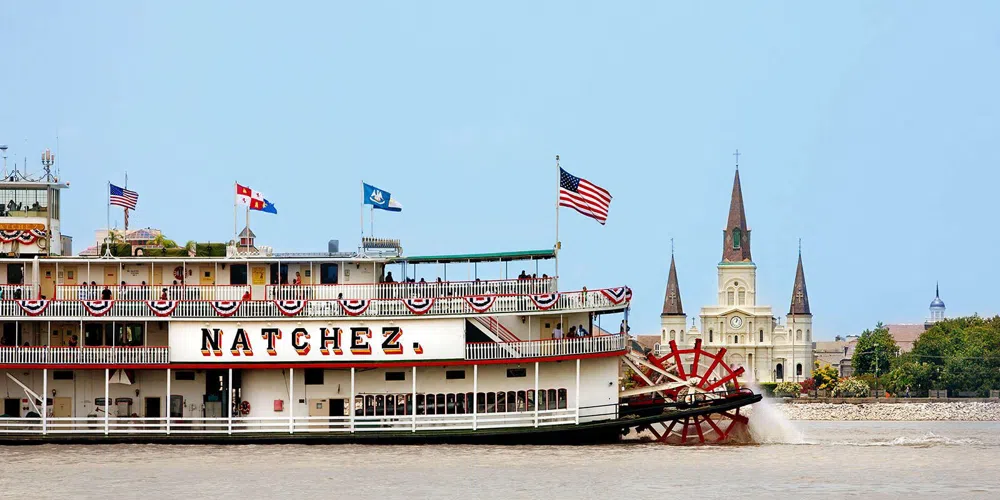
The Mississippi by Steamboat: New Orleans from the River That Built It
Robin de Vries
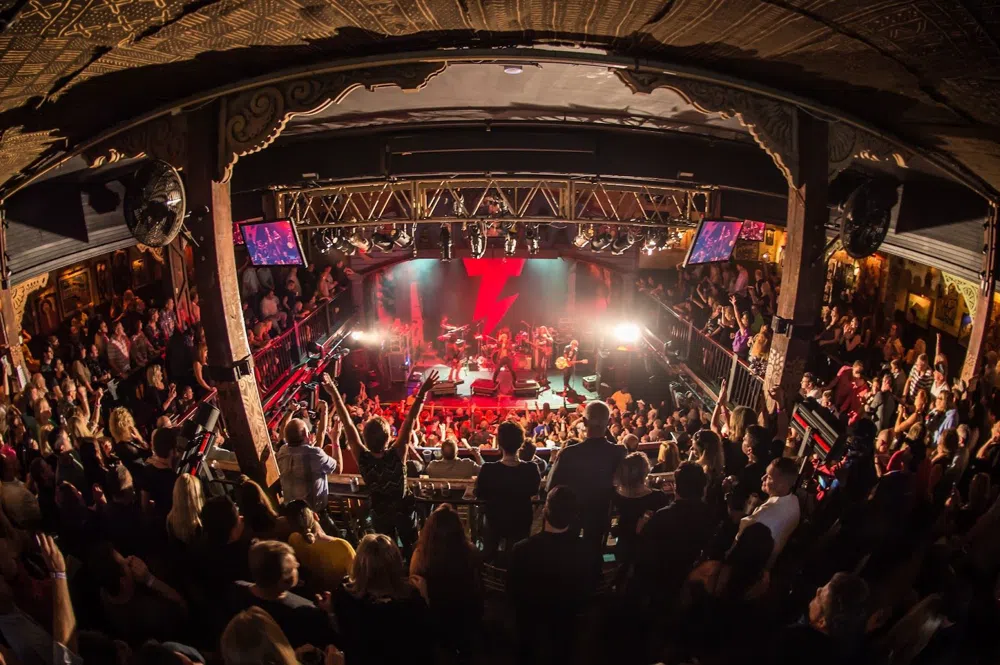
New Orleans' Live Music Lineup for the Week Ahead
Robin de Vries
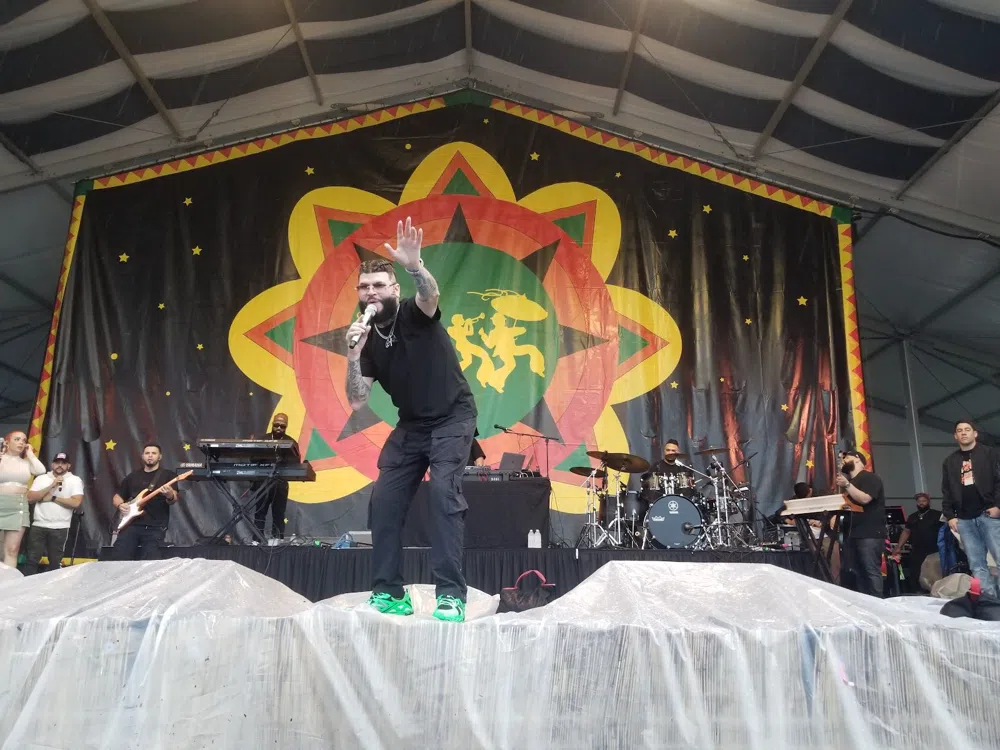
Your New Orleans Weekend Around Crescent City Blues and BBQ
Robin de Vries
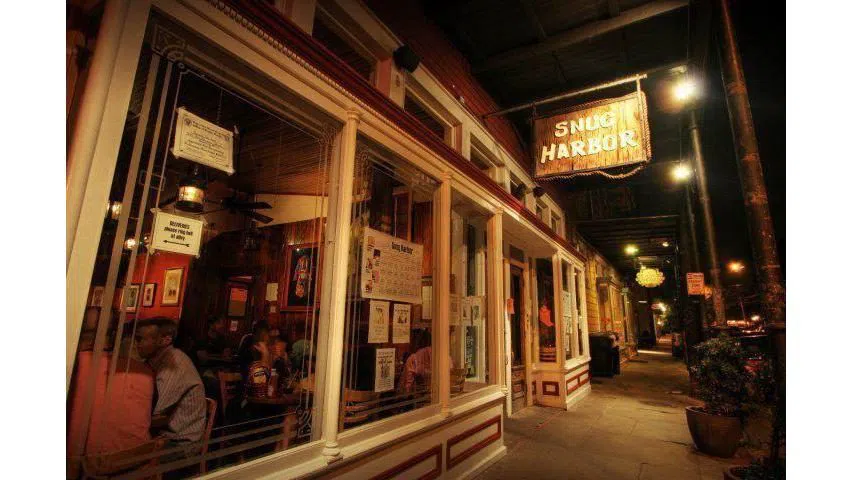
New Orleans Music Beyond Bourbon Street
Robin de Vries
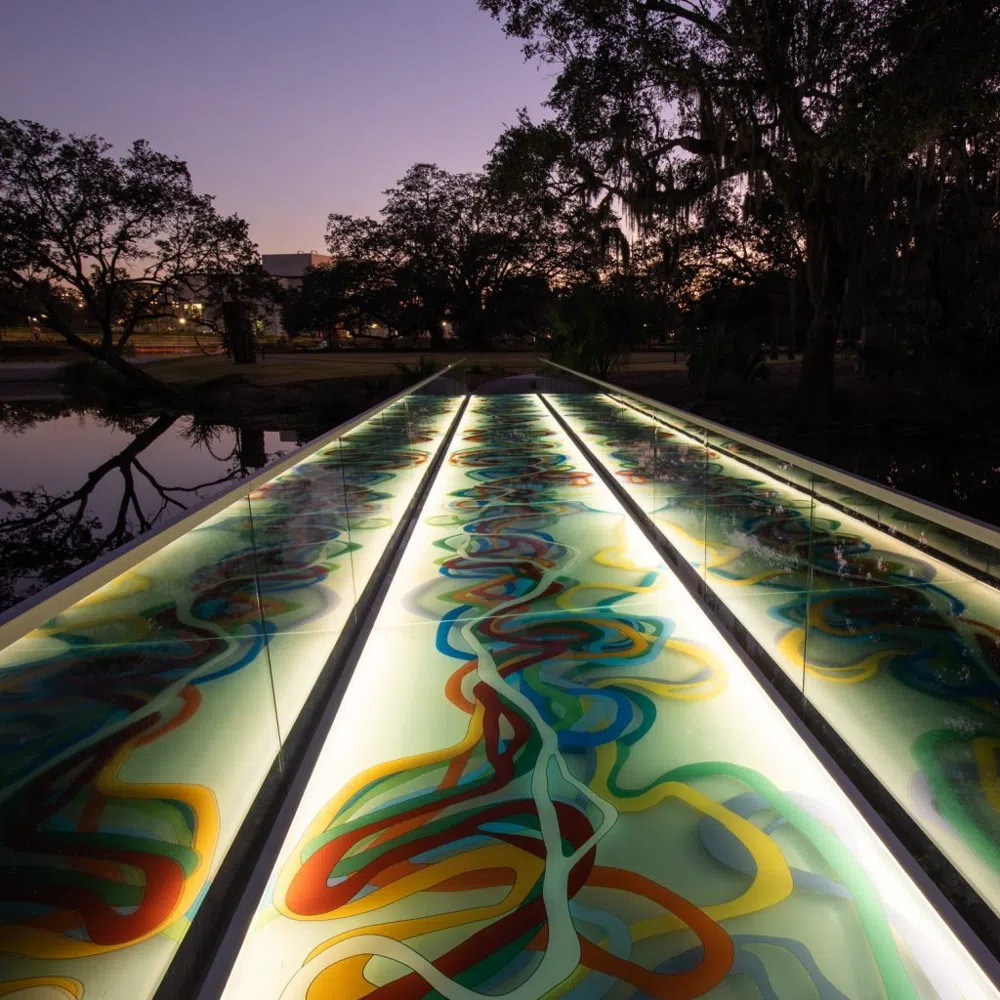
Oaks, Swan Boats and Beignets in New Orleans City Park
Robin de Vries
Tours and tickets
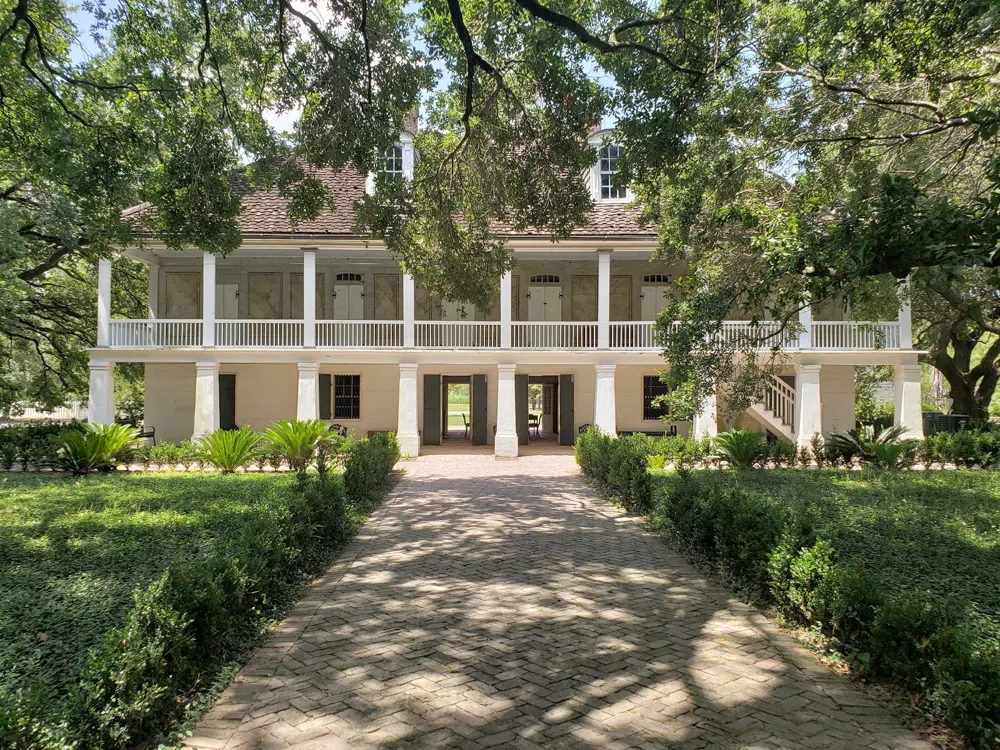
Walking Whitney Plantation Through a New Orleans September
Robin de Vries
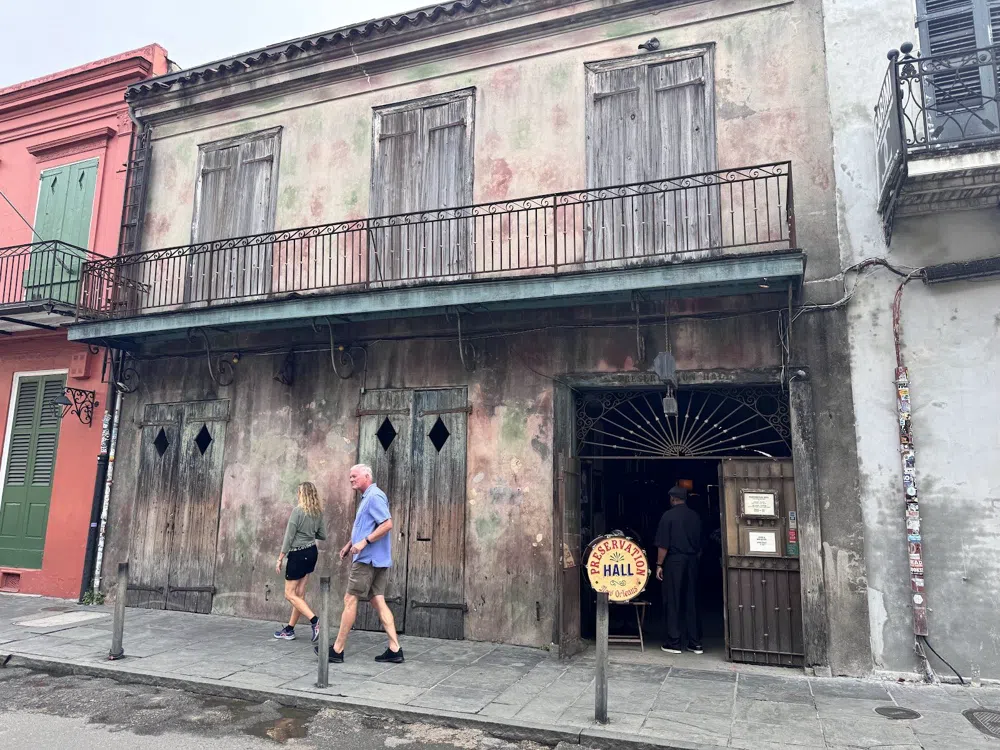
Walking New Orleans Alone Without Losing Your Bearings
Robin de Vries
Tours and tickets
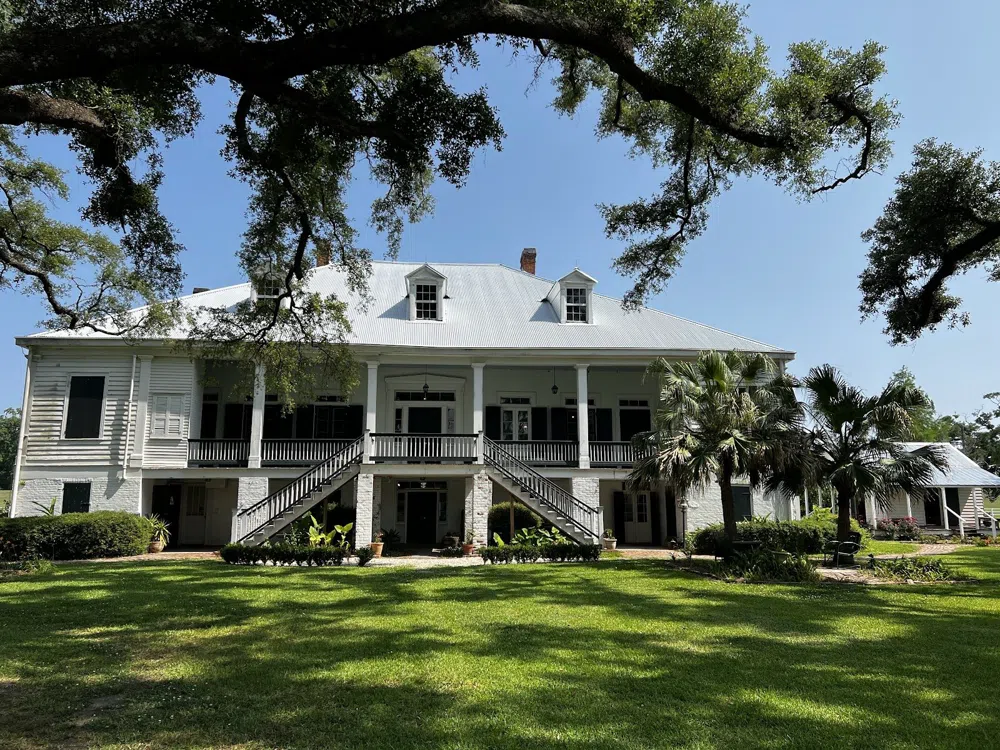
September on the Creole River Road at St. Joseph Plantation
Robin de Vries
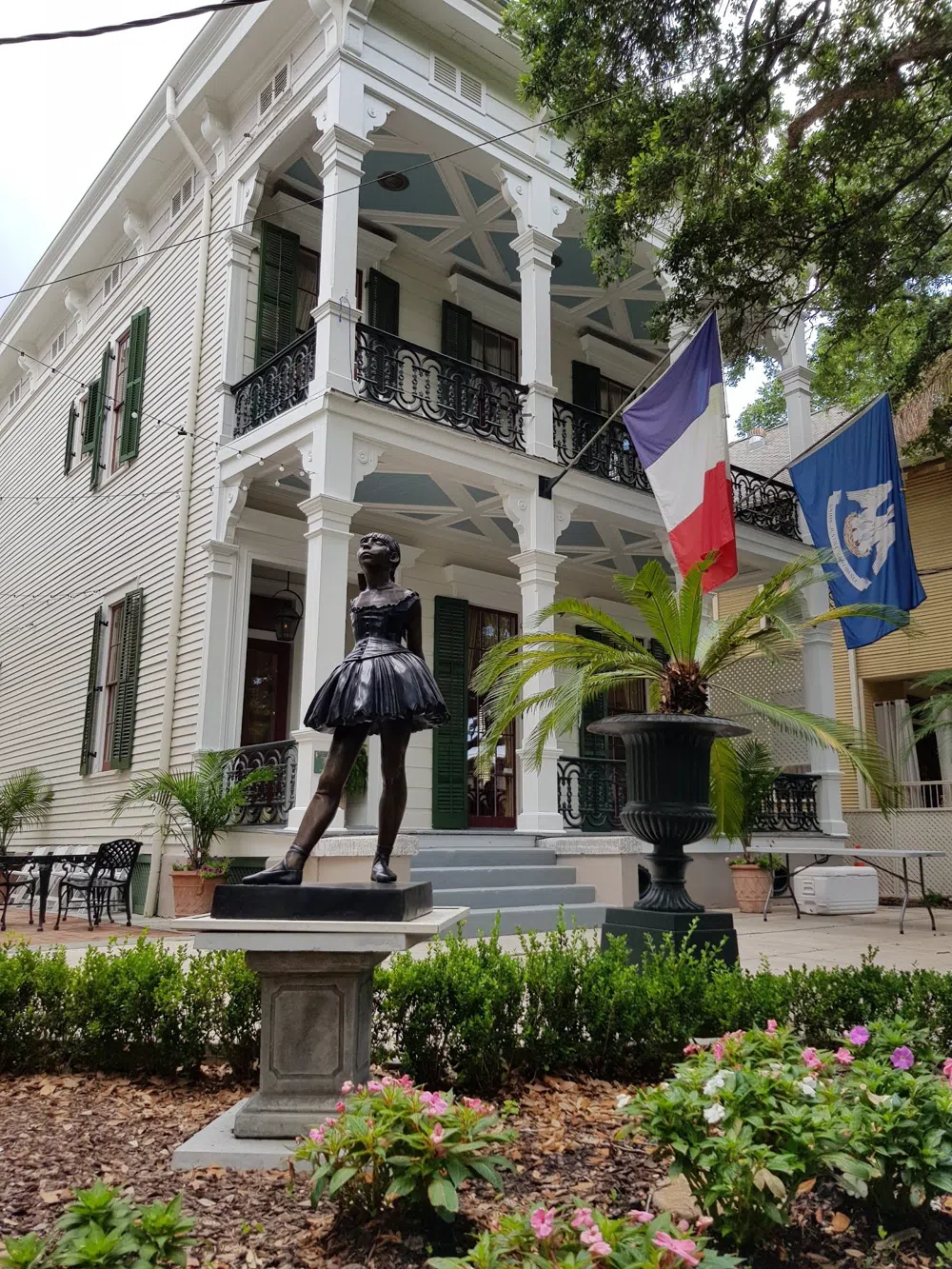
New Orleans' Esplanade Ridge from the Quarter to City Park
Robin de Vries

New Orleans' Magazine Street from the museum to the zoo
Robin de Vries
How to spend a day and night in St. Roch, New Orleans
Robin de Vries
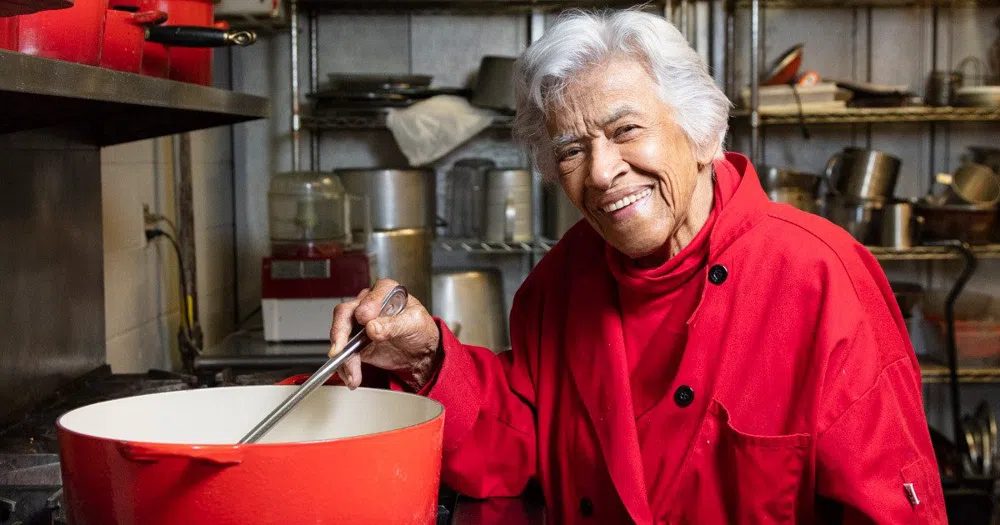
The Gumbo Pot: New Orleans' Creole Trinity and Where to Taste It
Robin de Vries
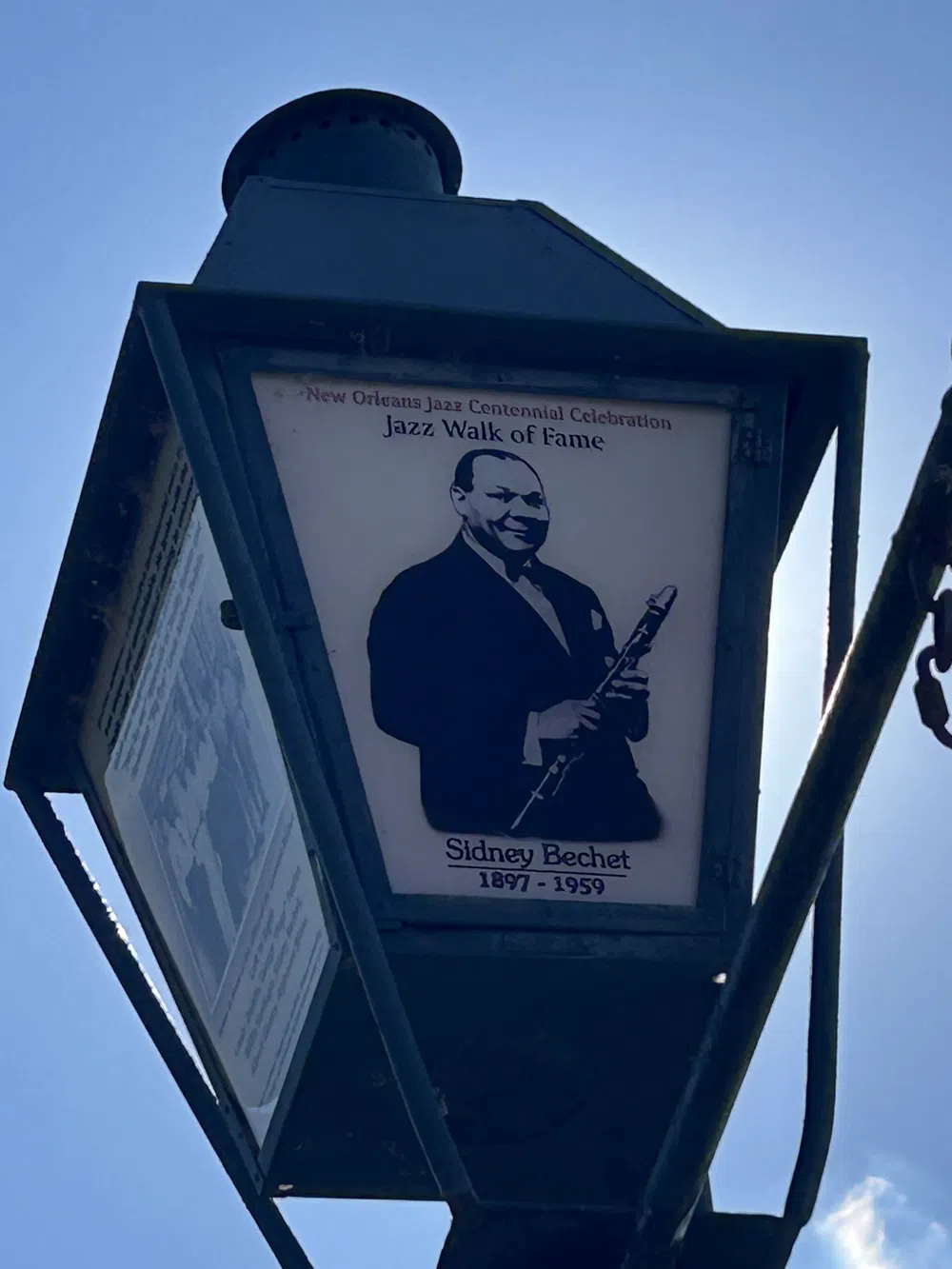
How to spend a day in Algiers Point, New Orleans
Robin de Vries
Tours and tickets
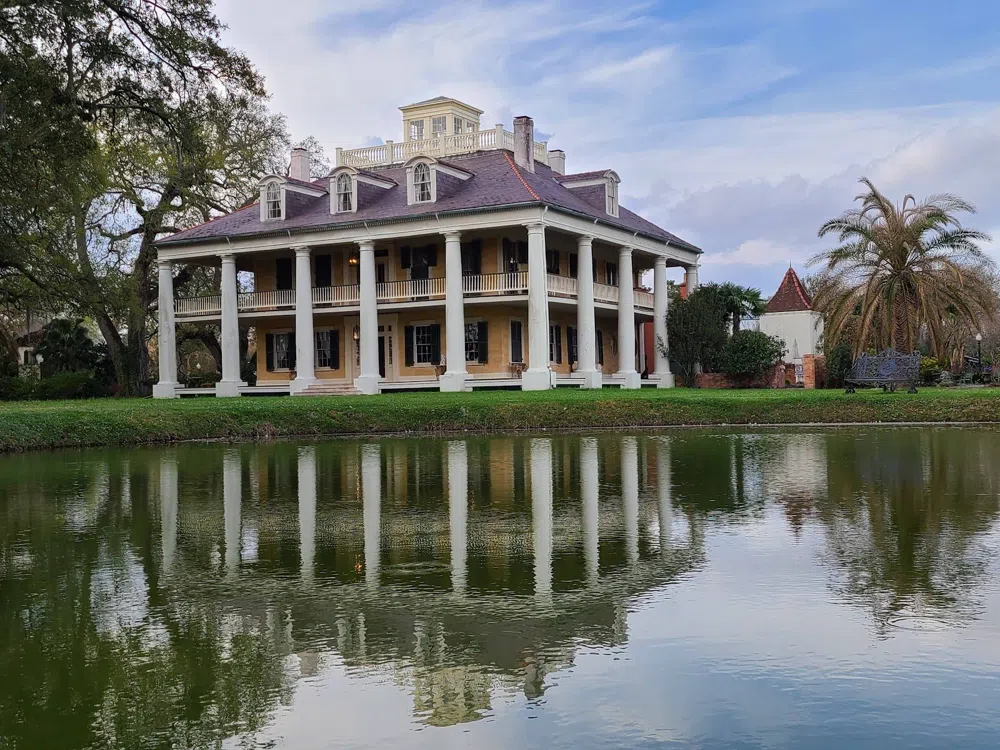
Houmas House in October and the Slow Water Beyond
Robin de Vries
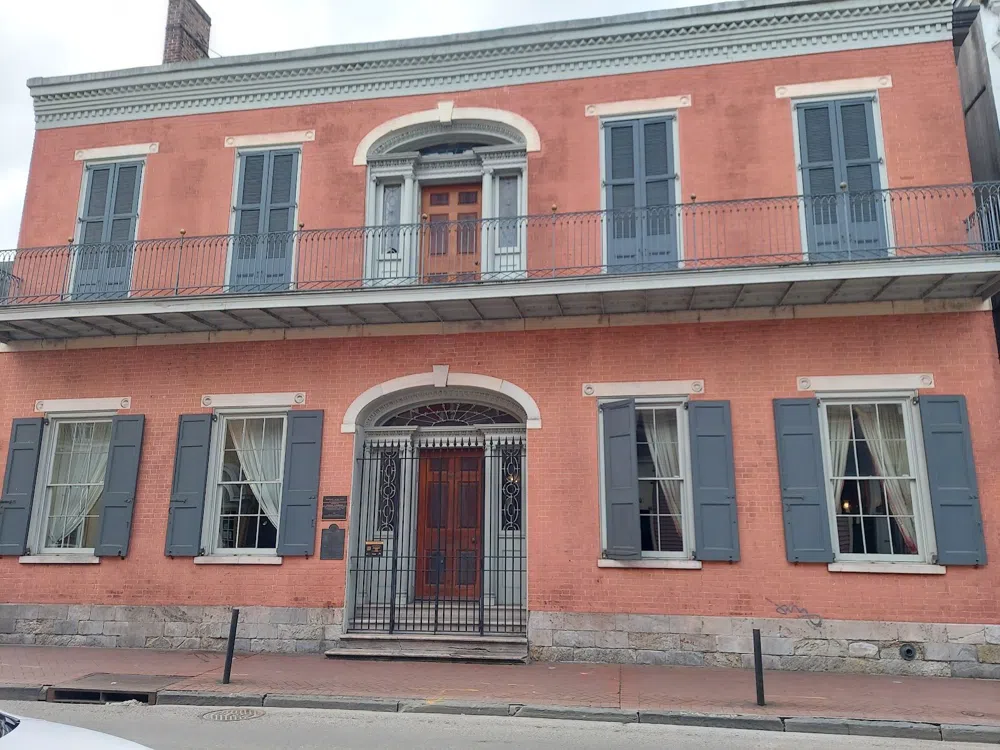
Reading New Orleans Through Its Shotgun Houses and Cottages
Robin de Vries

Walking New Orleans' Irish Channel, church to brewery
Robin de Vries
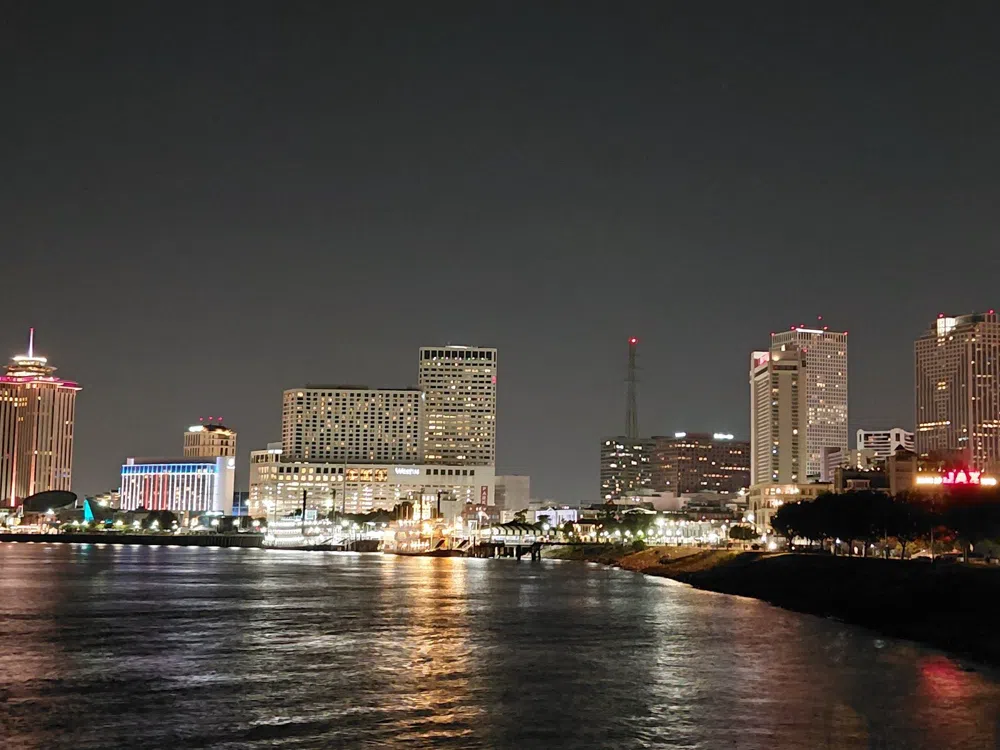
Riverbend, the New Orleans bend where the streetcar turns
Robin de Vries
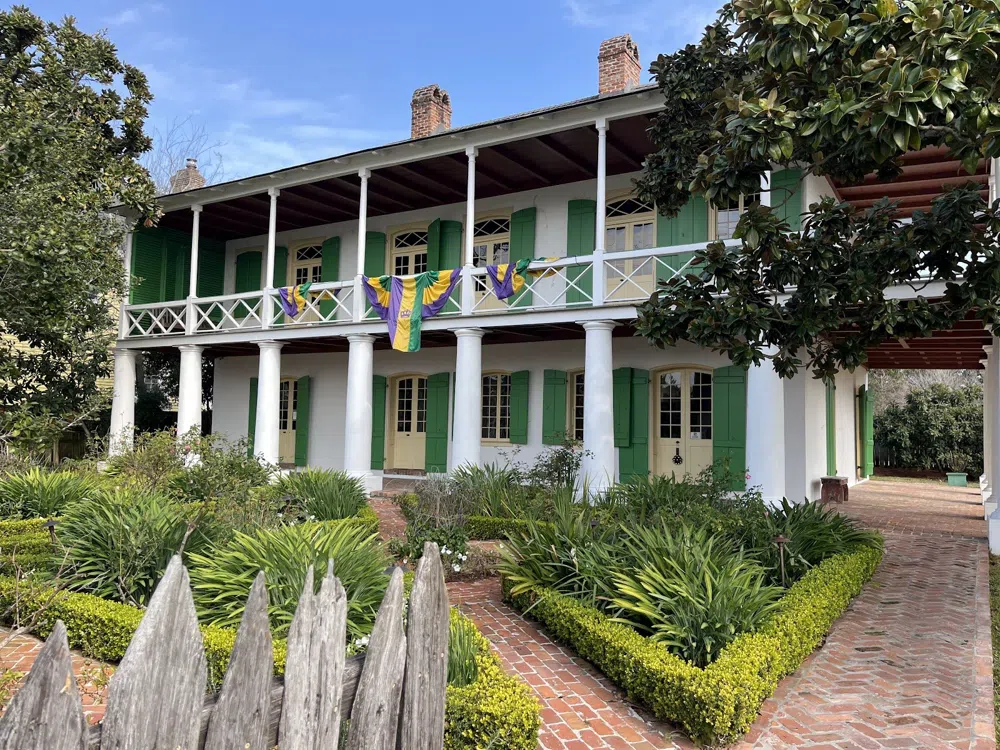
Walking Faubourg St. John, New Orleans' bayou neighbourhood
Robin de Vries
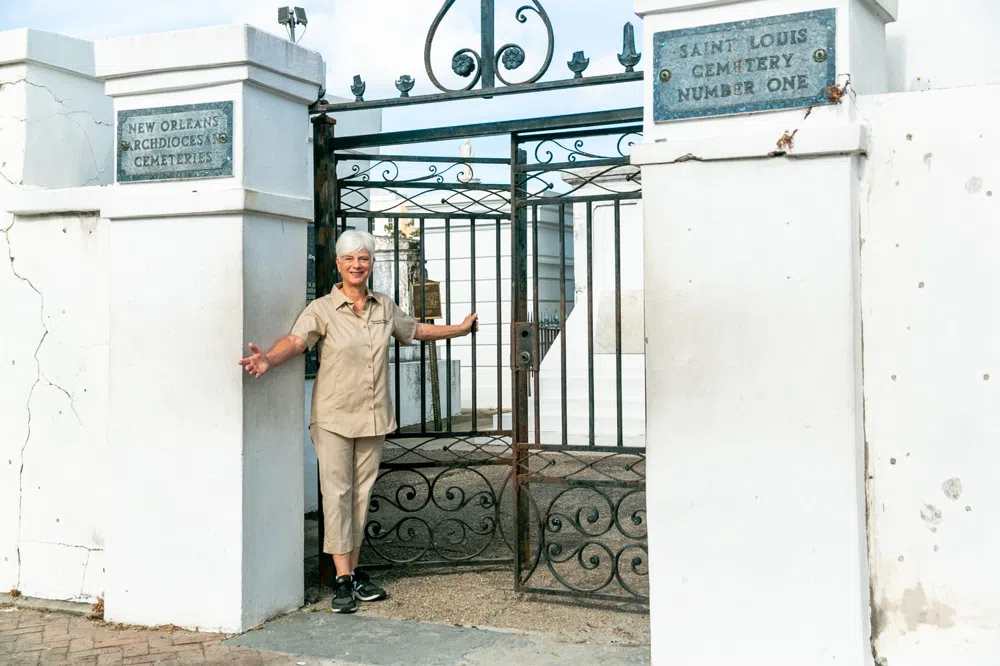
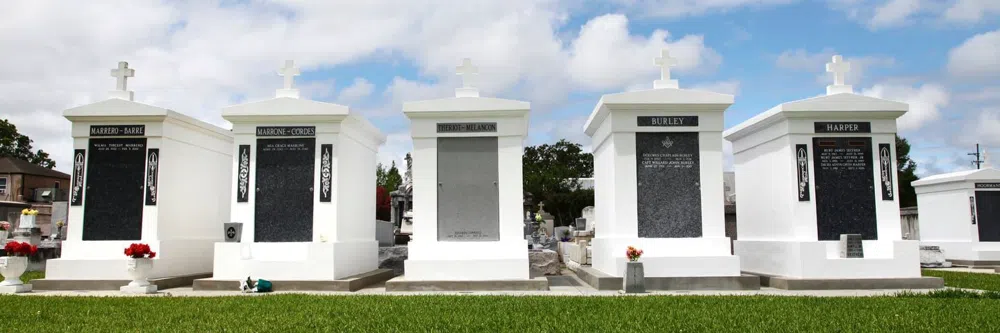
New Orleans' above-ground cemeteries — the Cities of the Dead
Robin de Vries
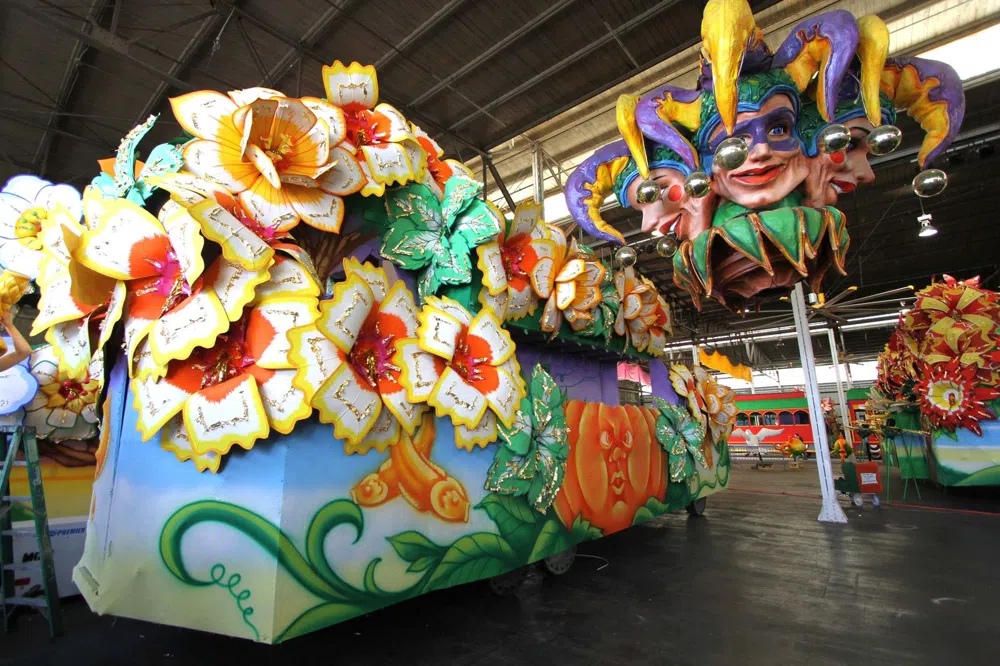
Mardi Gras World: The Warehouse Where New Orleans Builds Its Dreams Year-Round
Robin de Vries
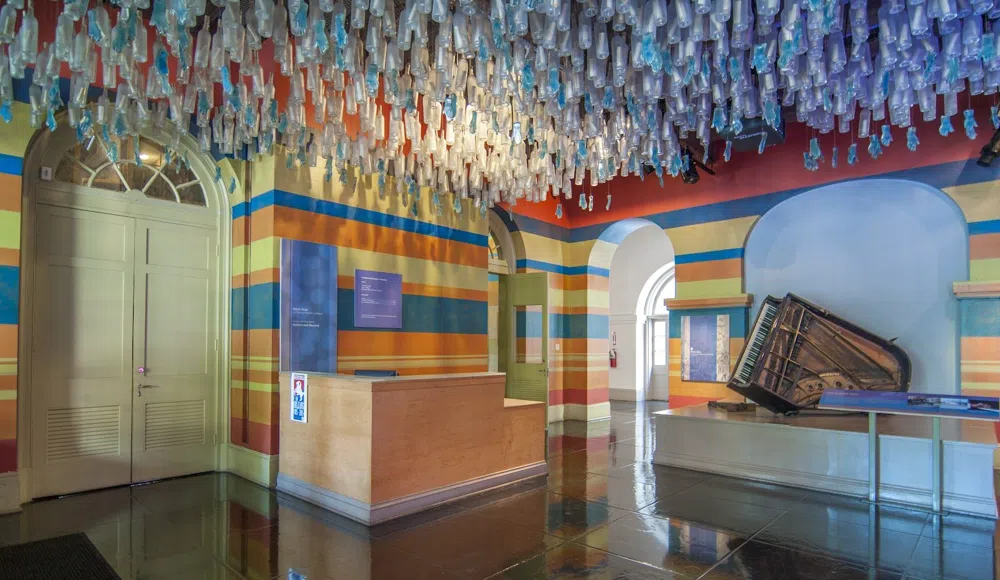
Tours and tickets
New Orleans Carnival in September Without a Parade
Robin de Vries
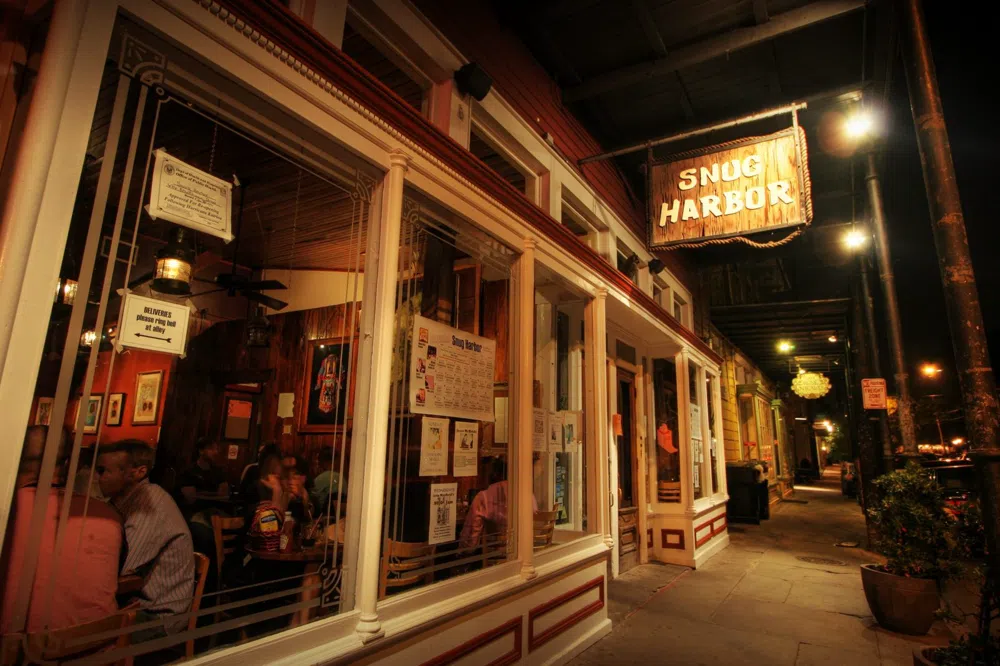
New Orleans After Dark: The Music Worth Leaving the House For This Fortnight
Robin de Vries
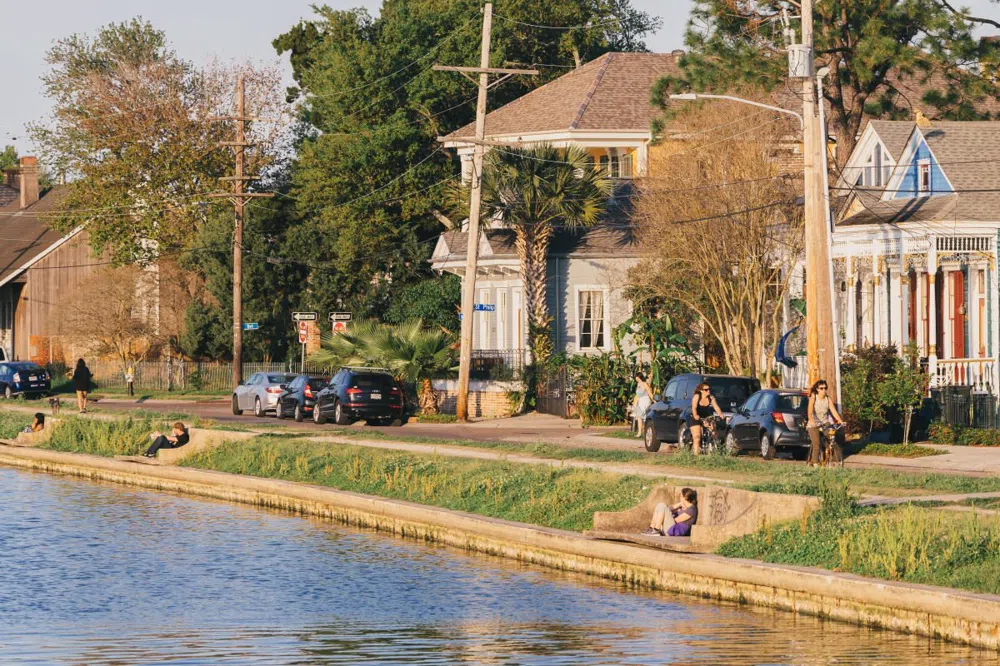
Walking Bayou St. John in New Orleans
Robin de Vries
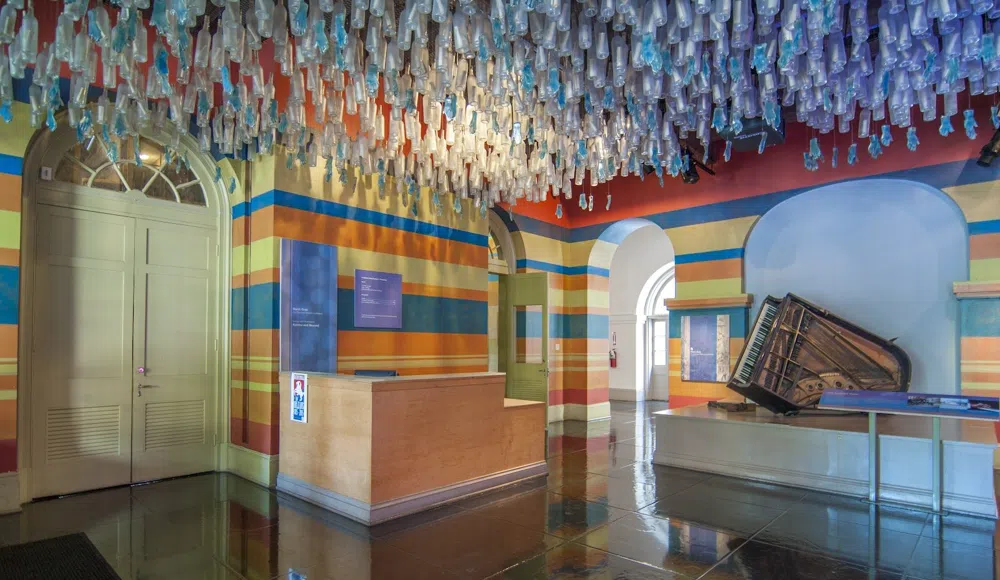
Where Outsiders Can Watch New Orleans' Debutante Season
Robin de Vries
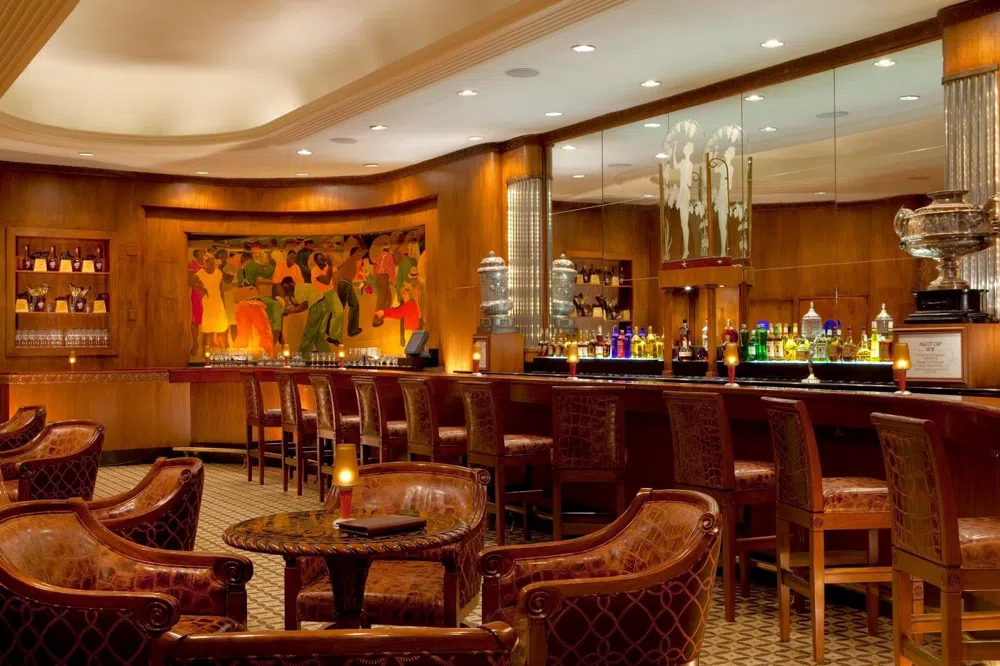
New Orleans Runs on Rye, Absinthe, and Ritual
Robin de Vries
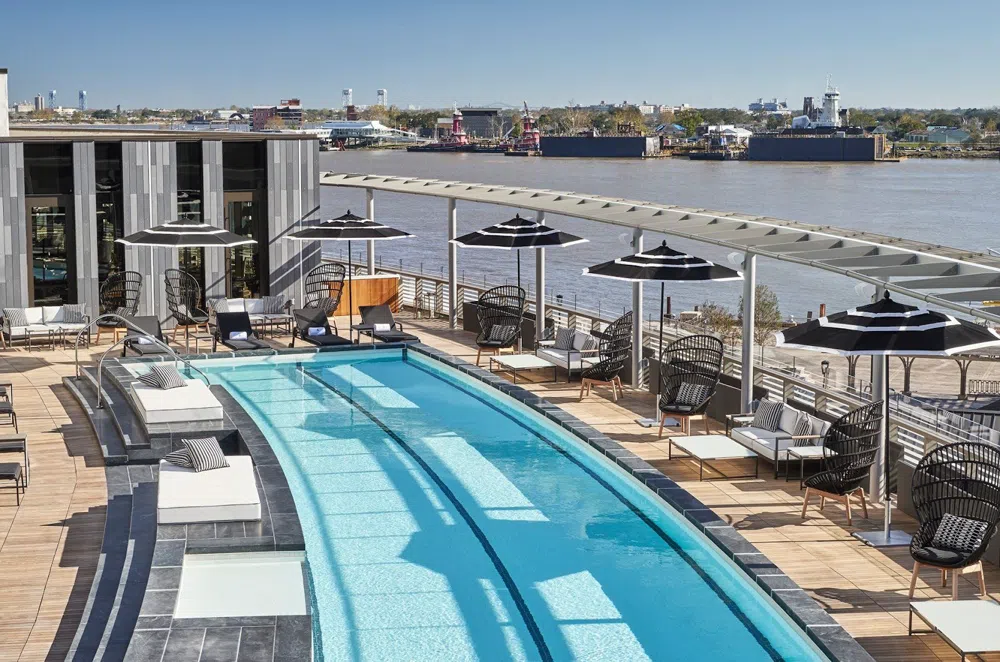
Follow the Oyster: New Orleans From Boat to Bar
Robin de Vries
An insider’s read on New Orleans
The identity of New Orleans is forged from a complex, often painful history of colonization, slavery, and cultural fusion. Founded by the French, ruled by the Spanish, and built by enslaved West Africans and free people of color, the city developed a distinct Creole culture long before the Louisiana Purchase brought American influence. This unique heritage is preserved in its architecture, its legal system, and its language.
The city's resilience is not a marketing slogan but a survival mechanism, tested by fires, yellow fever epidemics, and catastrophic hurricanes. It remains a cultural port of entry, deeply connected to the Caribbean in its rhythms, its food, and its attitude toward life.
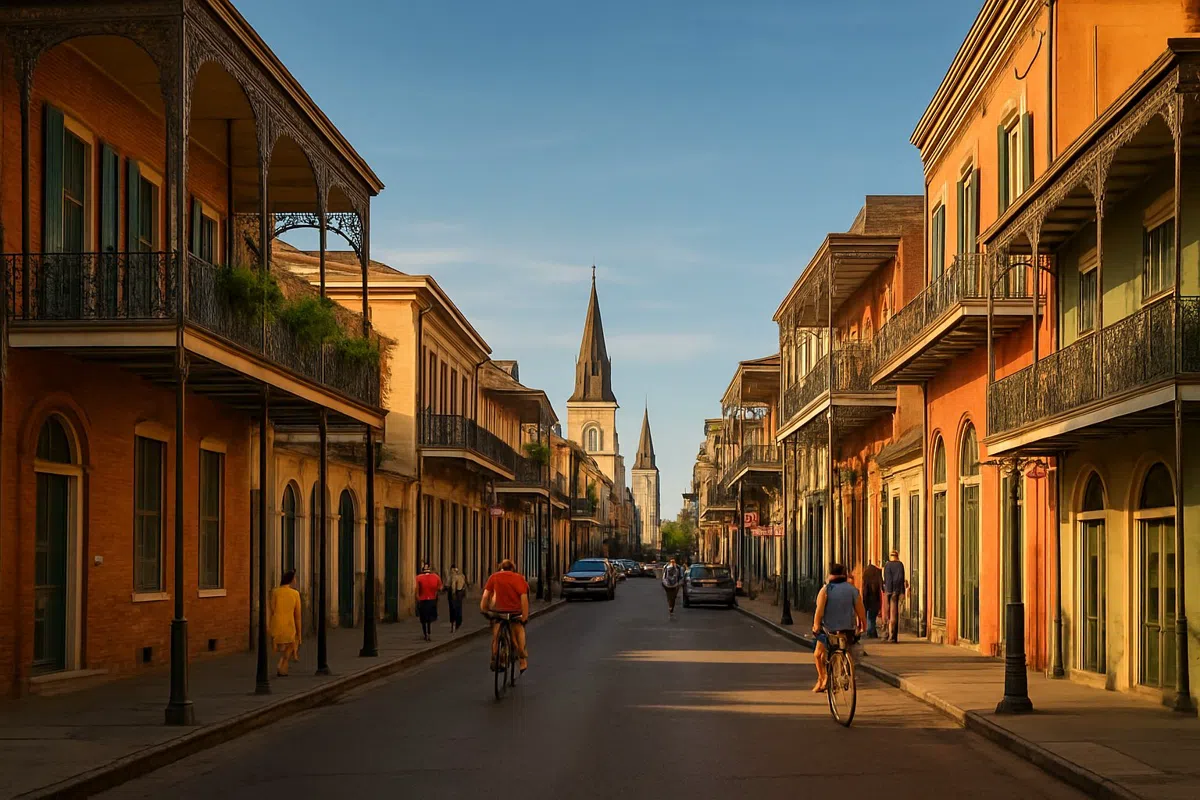

New Orleans is a city defined by its relationship with water, heat, and time. Built on a swamp below sea level, it operates on a different clock than the rest of the country, where the humid air slows steps and encourages long, liquid afternoons. It is a place of beautiful decay, where ironwork balconies sag under the weight of hanging ferns and the scent of sweet olive competes with the damp exhaust of the Mississippi River.
From our New Orleans guide
17 neighbourhoods, 17 ways to stay
Pick the neighbourhood first and the trip follows. Each one opens its own guide, with the hotels inside it.
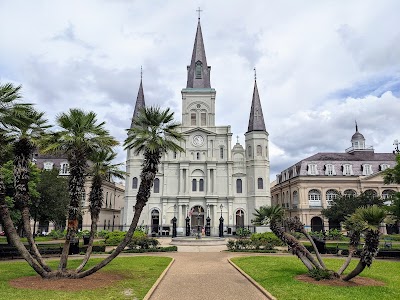
French Quarter (Vieux Carré)
First-time visitors who want to be steps from major sights, though it is noisy, crowded, and highly commercialized on Bourbon Street.
The historic heart, defined by Spanish and French colonial architecture, courtyards, and constant street music.
Where to stay Historic boutique hotels in converted townhouses away from Bourbon Street, such as on Royal or Chartres.
Stay in French Quarter (Vieux Carré)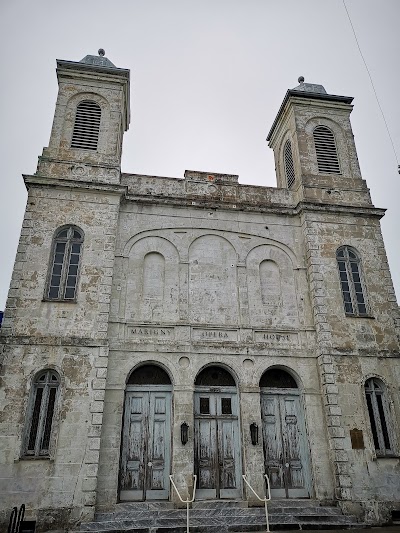
Faubourg Marigny
Music lovers and travelers seeking a local vibe, though parking is difficult and weekends get loud.
Bohemian and artistic, with colorful Creole cottages and the live music hub of Frenchmen Street.
Where to stay Bed and breakfasts or small guesthouses.
Stay in Faubourg Marigny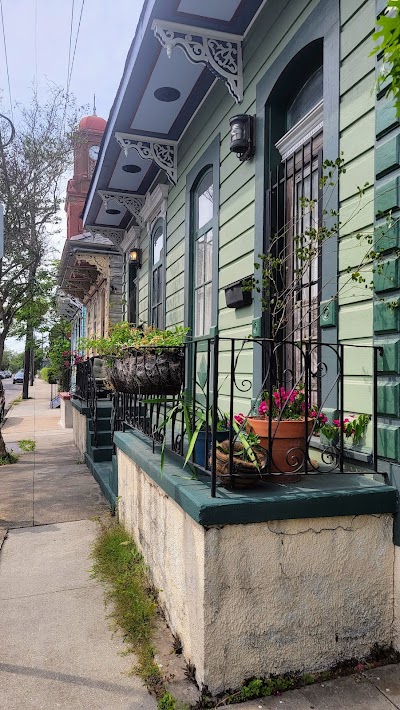
Bywater
Creative types and repeat visitors, though it is further from downtown and lacks traditional hotels.
Trendy and industrial-chic, filled with street art, dive bars, and innovative restaurants.
Where to stay Guesthouses or boutique rentals.
Stay in Bywater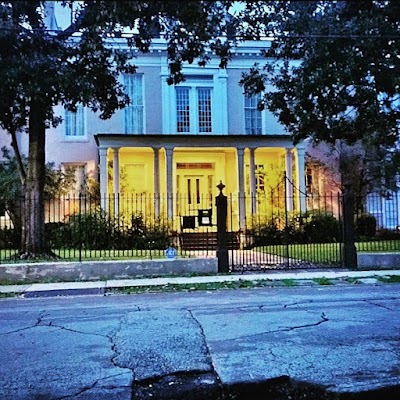
Garden District
Architecture enthusiasts and those seeking a peaceful retreat, though dining options are more spread out.
Quiet and grand, characterized by historic Greek Revival mansions, oak-lined streets, and lush gardens.
Where to stay Historic mansions converted into boutique hotels or upscale bed and breakfasts.
Stay in Garden District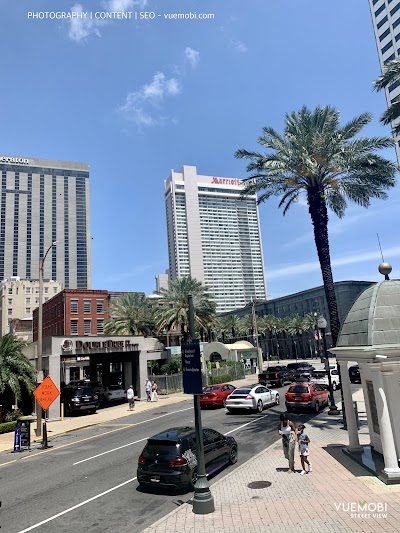
Central Business District (CBD) & Warehouse District
Business travelers and foodies who want a central location without the noise of the Quarter.
Modern high-rises meet converted brick warehouses, home to art galleries and trendy restaurants.
Where to stay Contemporary luxury hotels and hip boutique brands.
Stay in Central Business District (CBD) & Warehouse District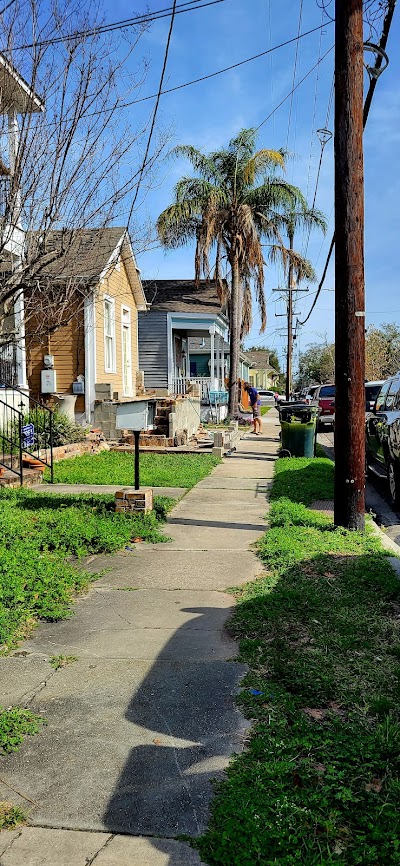
Tremé
Cultural purists and music historians, though visitors should remain vigilant at night as some areas are less lit.
The oldest African American neighborhood in the country, rich in jazz history and civil rights heritage.
Where to stay Local guesthouses or B&Bs.
Stay in Tremé
Mid-City
Families and travelers wanting a green, unpretentious escape, though it requires a streetcar or rideshare to reach downtown.
A relaxed, residential neighborhood centered around Bayou St. John and City Park.
Where to stay Mid-range motels or residential rentals.
Stay in Mid-City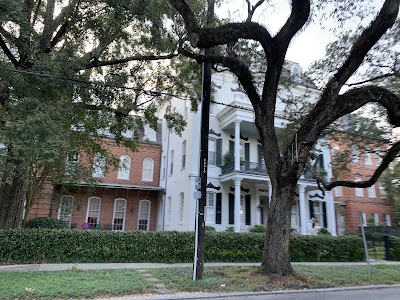
Uptown / Carrollton
Long-term visitors and families who enjoy a collegiate, neighborhood feel, though it is a long streetcar ride from the French Quarter.
Oak-draped avenues, historic university campuses, and local commercial strips like Oak Street.
Where to stay Historic guest homes along the St. Charles line.
Stay in Uptown / Carrollton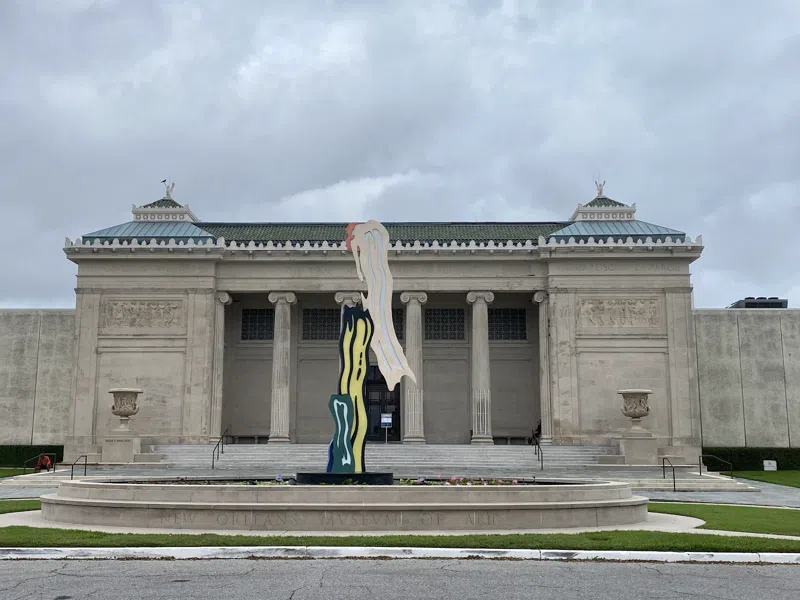
City Park
A vast, oak-shaded cultural park where visitors can combine major museums, sculpture gardens, botanical displays, cafés and family attractions. A strong year-round choice; spring flowers and October-to-March temperatures are best for exploring outdoors.
Stay in City Park
Magazine Street
New Orleans’ best all-purpose shopping-and-food corridor, with six miles of boutiques, galleries, cafés, bars and restaurants that visitors can explore in sections. Best on mild-weather weekdays or weekends; many shops close earlier than bars and restaurants.
Stay in Magazine Street
Irish Channel
A compact, atmospheric neighborhood of colorful shotgun houses, breweries, brunch spots and lively Magazine Street hangouts. A good year-round evening stop; brewery patios and Magazine Street are especially enjoyable from October through April.
Stay in Irish Channel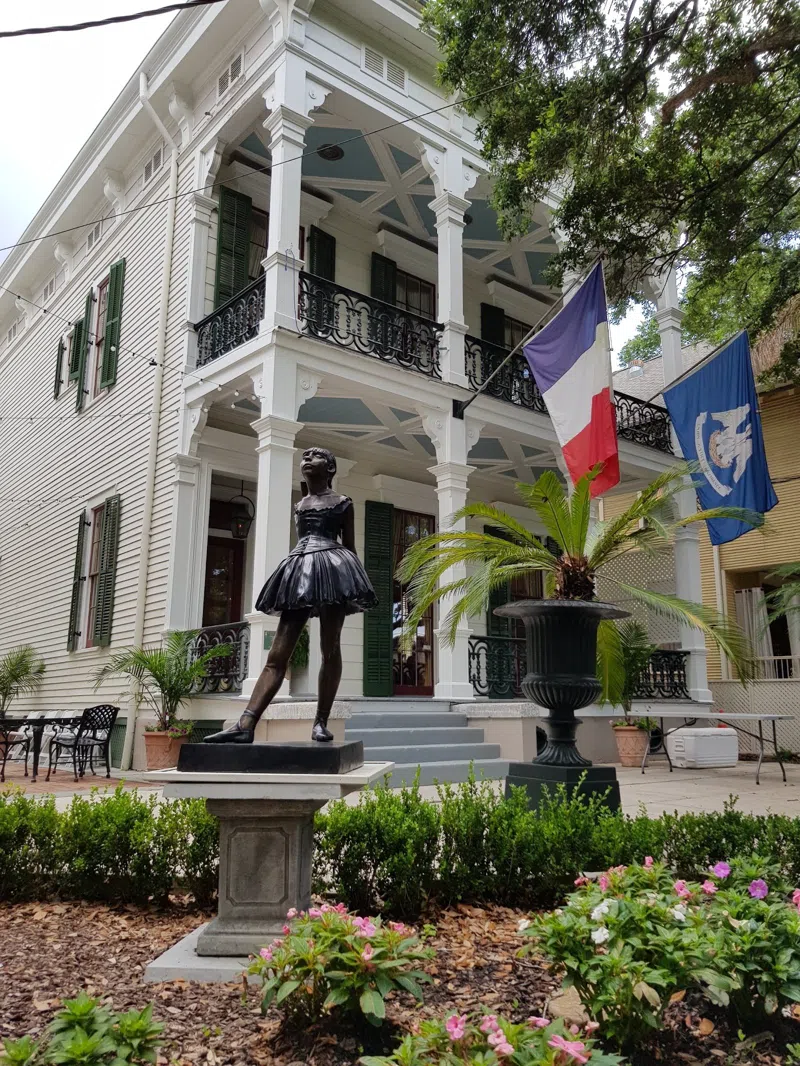
Esplanade Ridge
A scenic, historic avenue linking Tremé and Bayou St. John, known for Creole homes, leafy walks and easy access to neighborhood food institutions. Most comfortable for walking from October to April; the avenue is particularly attractive during spring blooms.
Stay in Esplanade Ridge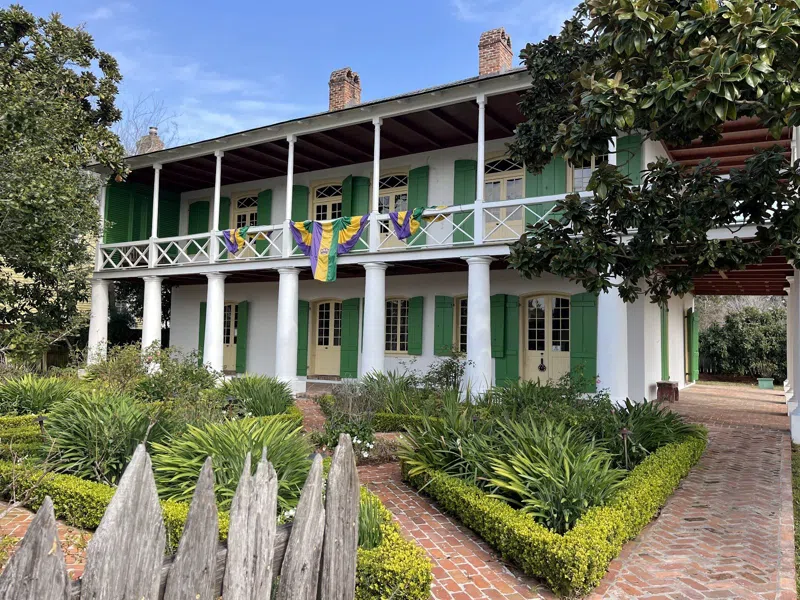
Faubourg St. John
A relaxed local district centered on Bayou St. John, with picnic lawns, kayak access, old-school restaurants and neighborhood bars. Best for bayou walks and outdoor seating in the cooler months; summer sunsets are lovely but hot.
Stay in Faubourg St. John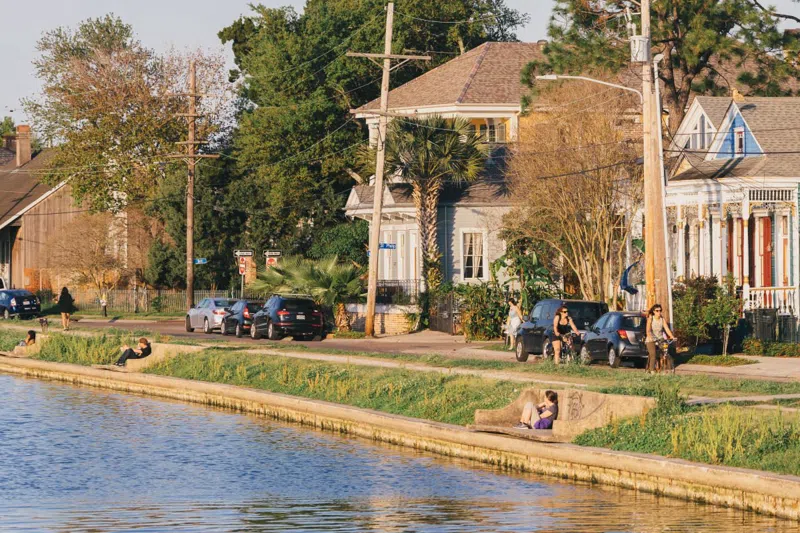
Bayou St. John
The city’s most appealing urban-waterway district, where visitors picnic, paddle, stroll beneath live oaks and eat around the nearby neighborhood crossroads. Best for paddling and picnics in spring and autumn; check weather before booking water activities.
Stay in Bayou St. John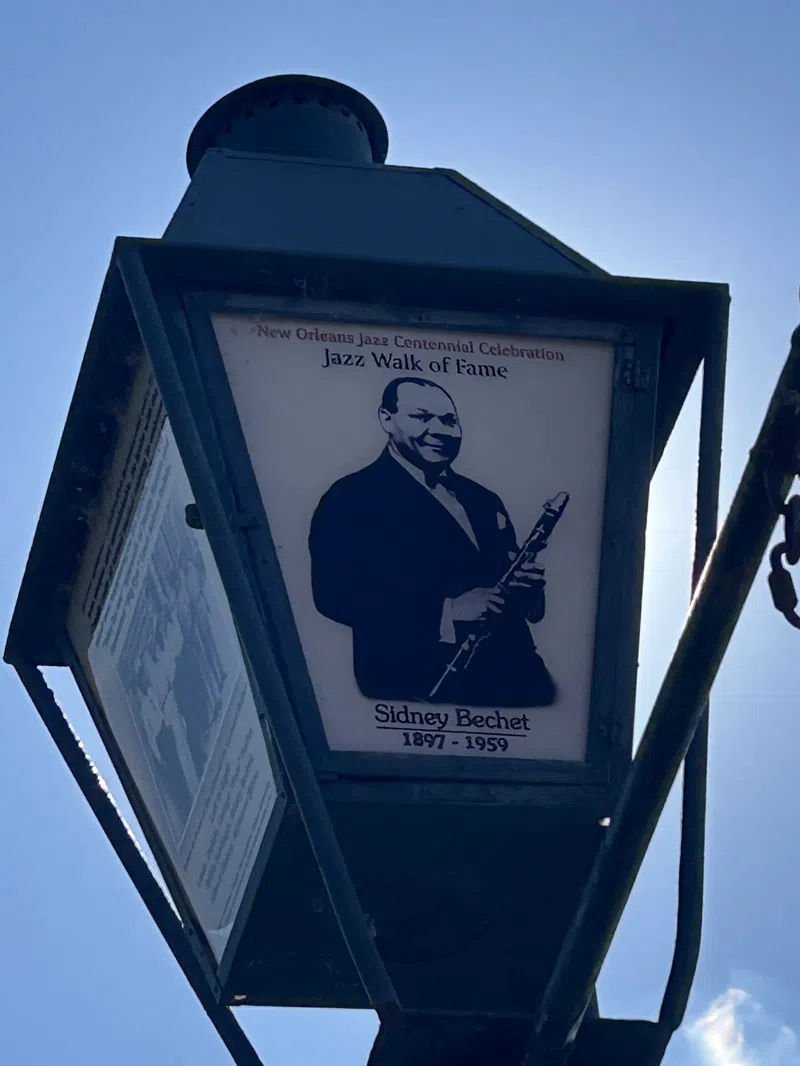
Algiers Point
A compact historic riverfront village reached by ferry, offering Victorian homes, Mississippi views, relaxed bars and a quieter counterpoint to downtown. Best around sunset when the ferry ride and riverfront views are most rewarding; verify ferry hours before setting out.
Stay in Algiers Point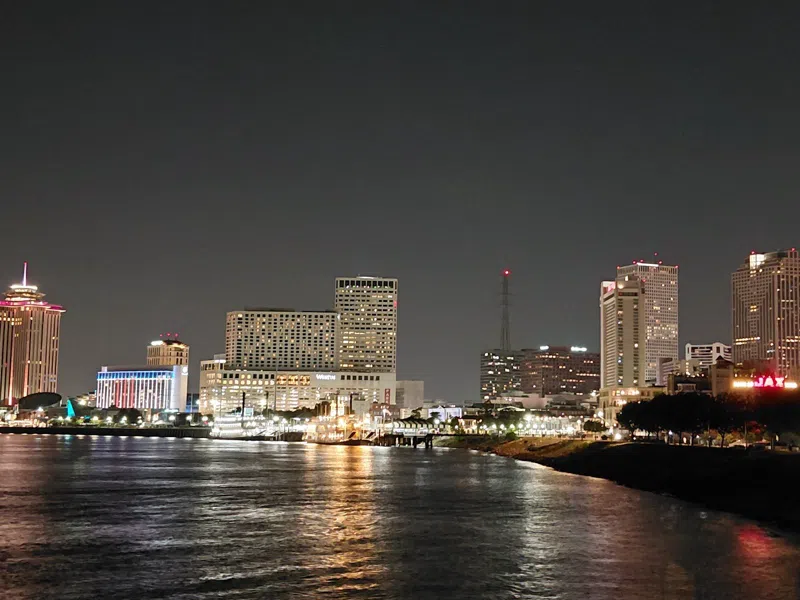
Riverbend
A walkable Uptown pocket where visitors combine Magazine Street shopping and restaurants with university architecture, streetcar views and access to the Mississippi. Ideal from October to April for park walks; late spring brings lush greenery but increasing heat.
Stay in Riverbend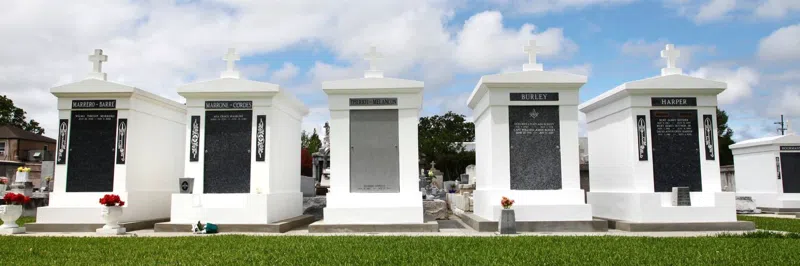
St. Roch
An emerging, visitor-friendly district built around a historic market, local food stalls, neighborhood bars and the lively St. Claude Avenue corridor. Best visited Thursday through Sunday when food halls, bars and live-music venues are most active.
Stay in St. RochBook before you land
Top-rated tours and tickets in New Orleans, with live prices from Viator.

Ghosts, Gods, & Gangsters of New Orleans
from $27

Private New Orleans City Tour with a Local Guide – La Vie NOLA
from $535

Historic Garden District Walking Tour
from $35

Private French Quarter & Garden District Tour: Walk and Drive Combo
from $475

New Orleans Creole History and Culture Ride
from $55

Black History & Tremè Neighborhood Walking Tour
from $40

Airport, Group and Private Transportation
from $134

New Orleans Culinary Bike Tour
from $108
Prices from Viator; we may earn a commission when you book — at no extra cost to you. Tours are sold and operated by Viator, the merchant of record. Ratings are collected by Viator and Tripadvisor.
Book direct
Book a hotel in New Orleans
Loading live availability and real-time prices…
The New Orleans guide
Where to eat, drink and look, how to get around, and what locals expect of you. Open any chapter.
Where to eat
Dining
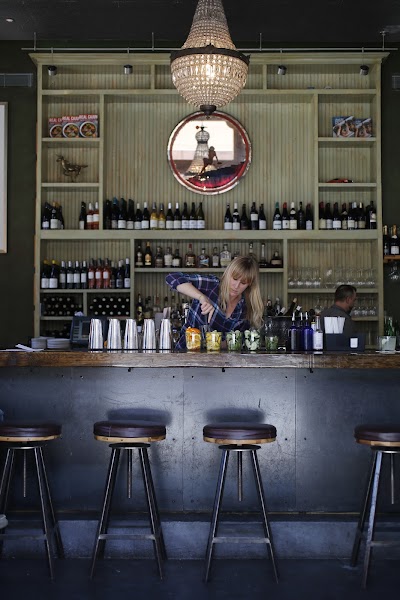
Pêche Seafood Grill
Inspired by South American and Spanish open-hearth cooking, serving sustainably sourced Gulf fish over live coals.
Signature: Whole grilled fish with salsa verde
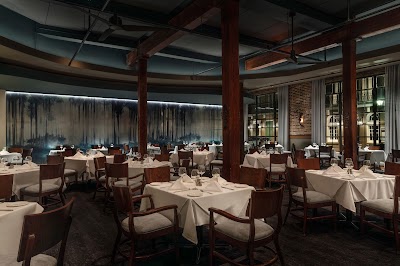
GW Fins
Uses a patented refrigeration system to secure the freshest catch from around the world, printed daily on the menu.
Signature: Scalibut (halibut with sea scallop "scales")
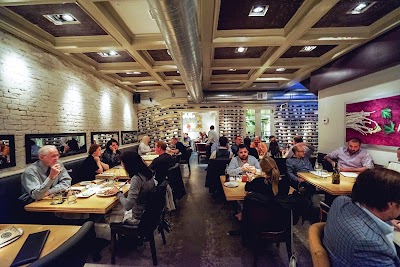
Doris Metropolitan
A modern, dry-aging steakhouse with Middle Eastern culinary influences and an exceptional wine list.
Signature: Classified cut (dry-aged in-house)
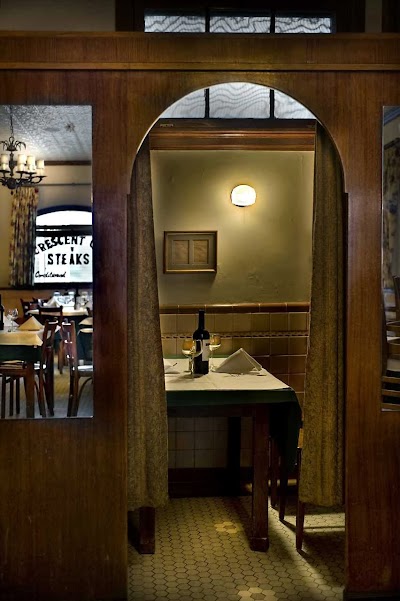
Crescent City Steaks
Louisiana's oldest family-owned steakhouse, serving sizzling steaks in melted butter since 1934.
Signature: Ribeye sizzling in butter
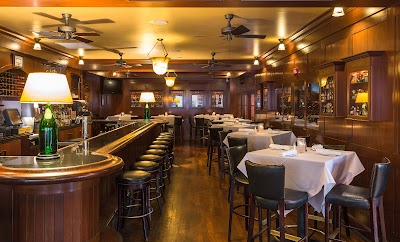
Dickie Brennan's Steakhouse
Classic upscale steakhouse with a distinct New Orleans French accent and subterranean clubby vibe.
Signature: USDA Prime Ribeye topped with fried oysters
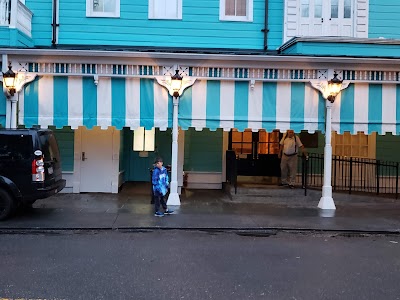
Commander's Palace
The grand dame of Creole fine dining, famous for its blue exterior, impeccable service, and jazz brunches.
Signature: Turtle soup finished with sherry
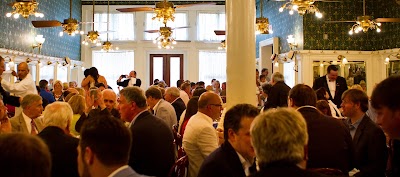
Galatoire's
A jackets-required temple of classic French-Creole cuisine where Friday lunches are a theatrical, hours-long social ritual.
Signature: Crabmeat Sardou
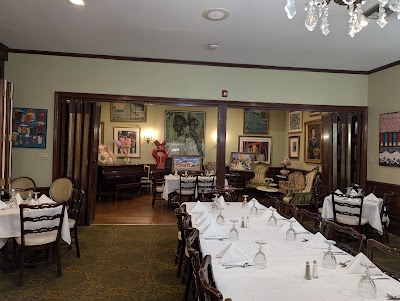
Dooky Chase
The late Leah Chase's historic restaurant, a landmark of Creole cuisine and the civil rights movement.
Signature: Creole gumbo
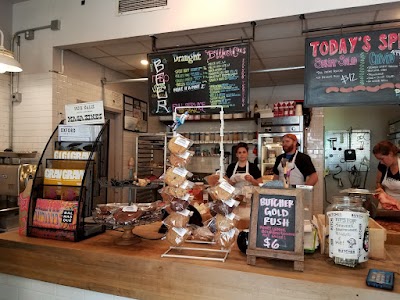
Cochon
Chef Donald Link's modern tribute to traditional Cajun pork cookery and wood-fired cooking.
Signature: Louisiana cochon with cabbage and cracklins
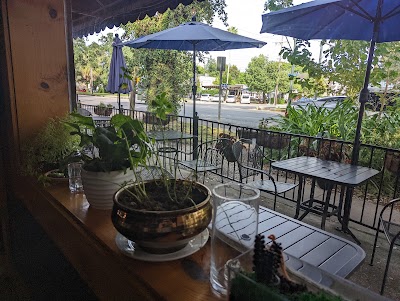
Toups' Meastery
Chef Isaac Toups serves aggressive, rustic Cajun charcuterie and nose-to-tail dining.
Signature: The Meastery Board (house-cured meats and pickles)
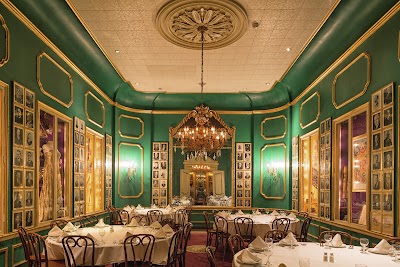
Antoine's
Operating since 1840, this is the oldest continuously run restaurant in the country, featuring labyrinthine dining rooms.
Signature: Oysters Rockefeller (invented here)
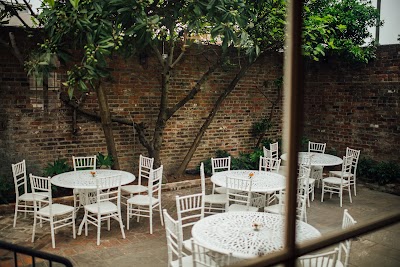
Jewel of the South
Tucked into a 19th-century cottage, offering highly refined, contemporary tavern fare and world-class cocktails.
Signature: Caviar and boudin
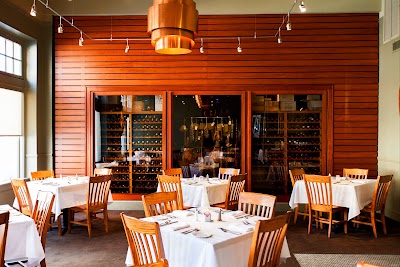
Herbsaint
Donald Link's flagship bistro blending French farmhouse cooking with rustic Southern ingredients.
Signature: House-made spaghetti with guanciale and a fried poached egg
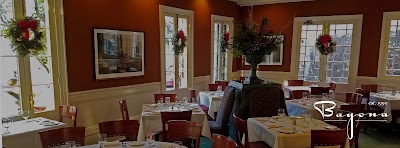
Bayona
Chef Susan Spicer's global-influenced pioneer in a beautiful 200-year-old cottage.
Signature: Sweetbreads with lemon caper butter
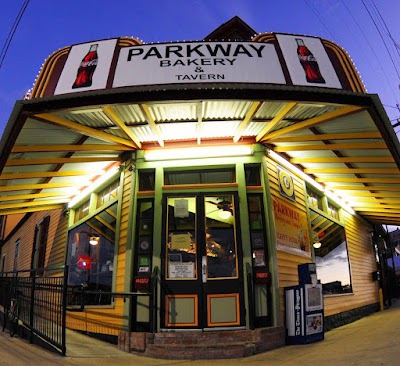
Parkway Bakery & Tavern
Overlooking Bayou St. John, serving definitive po-boys since 1911.
Signature: Hot roast beef po-boy with gravy ("debris style")
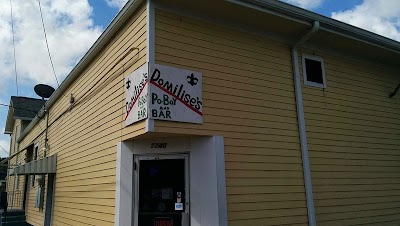
Domilise's Po-Boys
A yellow-clad neighborhood corner joint serving classic po-boys on Leidenheimer bread.
Signature: Half-and-half (shrimp and oyster) po-boy
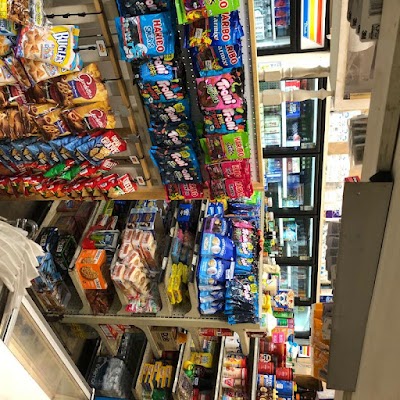
Verti Marte
A cramped, 24-hour deli counter at the back of a convenience store, perfect for late-night cravings.
Signature: All That Jazz po-boy (turkey, ham, shrimp, cheese, and wow sauce)
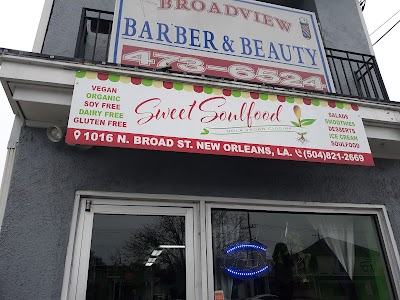
Sweet Soulfood
A cafeteria-style vegan spot serving plant-based spins on classic soul food and Creole dishes.
Signature: Vegan bread pudding
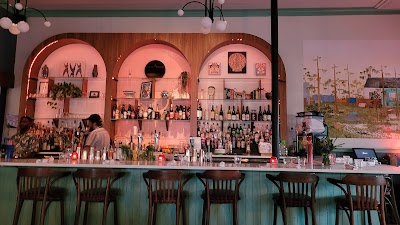
Sneaky Pickle / Bar Brine
A casual lunch spot by day that transforms into a hip dinner venue serving creative, vegetable-forward dishes.
Signature: Tempeh Reuben
After dark
Nightlife
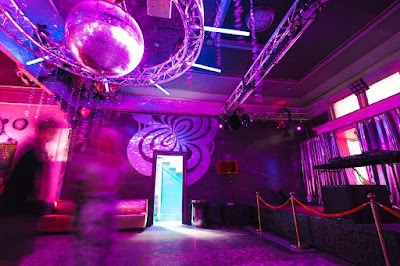
The Rabbit Hole
An indoor-outdoor venue hosting underground electronic DJs, brass bands, and queer dance parties.
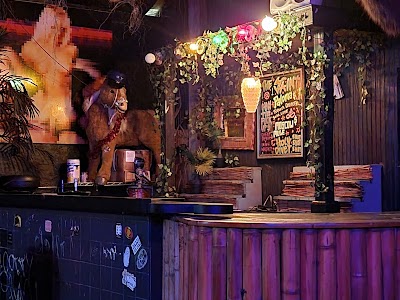
The Saint Bar & Lounge
A legendary, dimly lit dive bar and dance floor that doesn't get going until well after midnight.

Republic NOLA
A spacious, brick-walled former warehouse hosting touring electronic acts and themed dance nights.
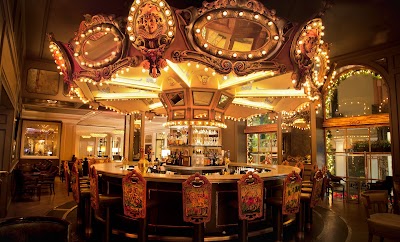
The Carousel Bar & Lounge
Located inside the Hotel Monteleone, this historic bar slowly rotates 25 seats around a central carousel.
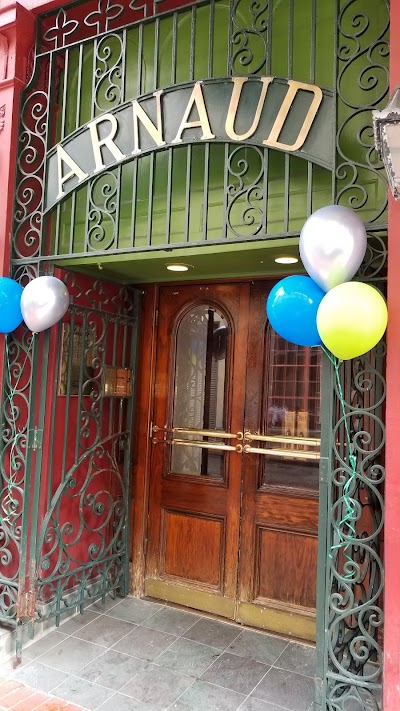
Arnaud's French 75 Bar
A sophisticated, wood-paneled salon serving classic cocktails crafted with vintage spirits.
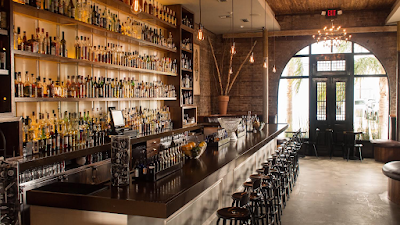
Cure
A pioneer of the city's modern cocktail revival, housed in a beautifully renovated former firehouse.
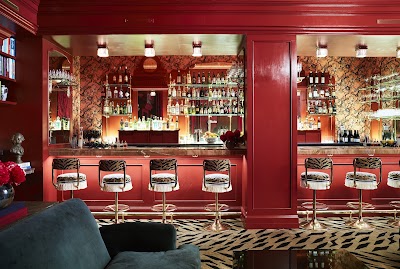
Bar Marilou
A French-style salon tucked inside a former library, featuring red walls, bookshelves, and velvet seating.
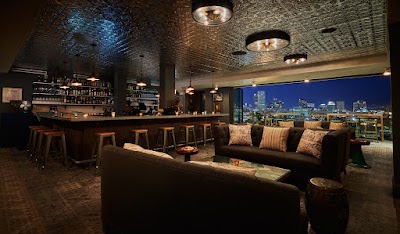
Hot Tin
A rooftop bar atop the Pontchartrain Hotel offering panoramic views of the Mississippi River and downtown skyline.
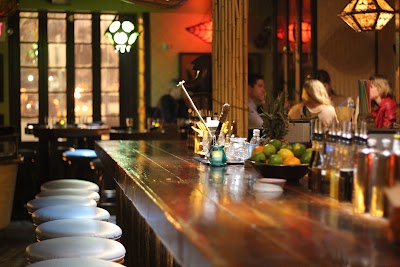
Beachbum Berry's Latitude 29
A world-class tiki bar serving historically accurate exotic cocktails and Polynesian-inspired bites.
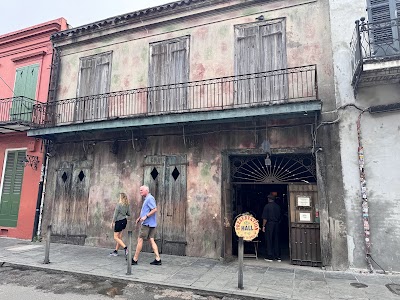
Preservation Hall
A rustic, acoustic-only venue dedicated to preserving traditional New Orleans jazz.
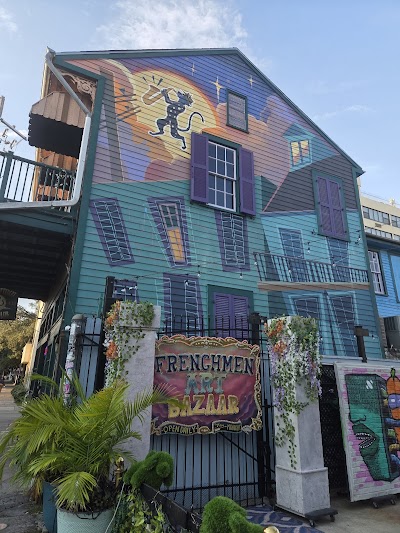
The Spotted Cat Music Club
The quintessential Frenchmen Street jazz club, tiny and constantly packed.
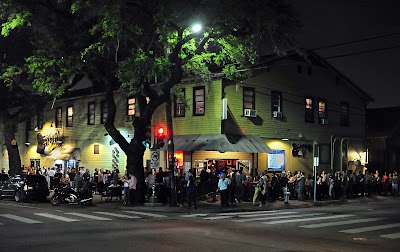
Tipitina's
A legendary music hall dedicated to Professor Longhair, hosting major local and touring acts.
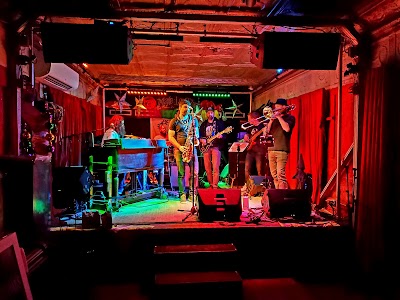
Maple Leaf Bar
A gritty, long-running club hosting brass bands, funk, and blues seven nights a week.
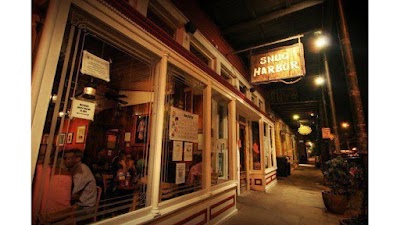
Snug Harbor Jazz Bistro
The city's premier listening room for modern and contemporary jazz, featuring seated performances.
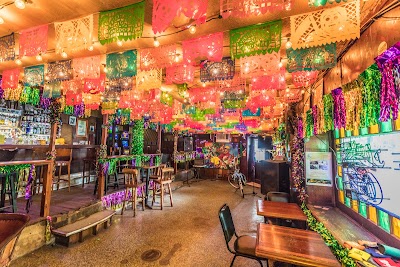
Vaughan's Lounge
A neighborhood dive bar famous for its Thursday night brass band gigs and free red beans and rice.
Art & history
Culture

The National WWII Museum
A massive, world-class institution detailing the American experience in World War II through immersive exhibits.
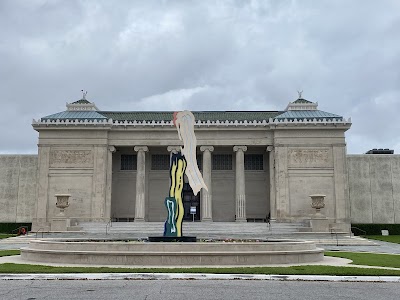
New Orleans Museum of Art (NOMA)
Located in City Park, featuring an impressive collection of European, American, and Asian art, plus a free-to-enter sculpture garden.
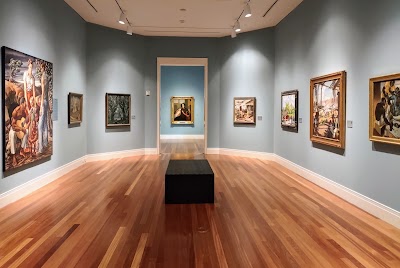
Ogden Museum of Southern Art
Dedicated to the visual art and culture of the American South.
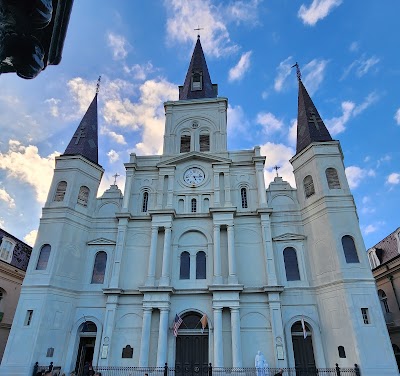
St. Louis Cathedral
The oldest continuously active Roman Catholic cathedral in the United States, overlooking Jackson Square.
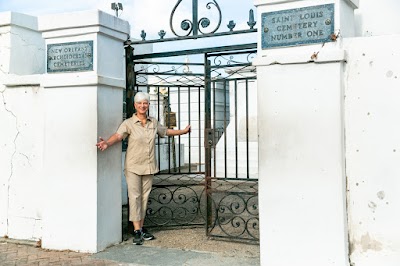
St. Louis Cemetery No. 1
The city's oldest active cemetery, famous for its above-ground tombs, including that of Marie Laveau.
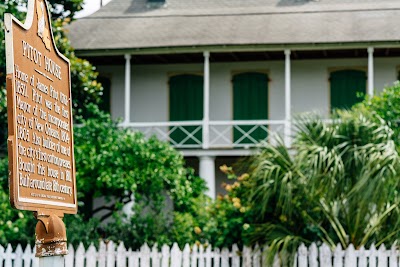
Pitot House
An 18th-century Creole colonial country house situated along Bayou St. John.
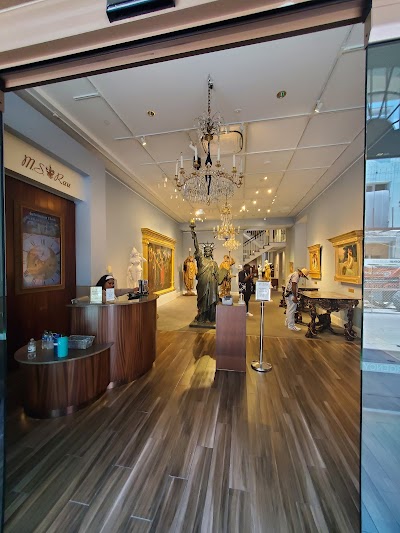
M.S. Rau
A world-renowned gallery showcasing museum-quality fine art, antiques, and rare jewelry.
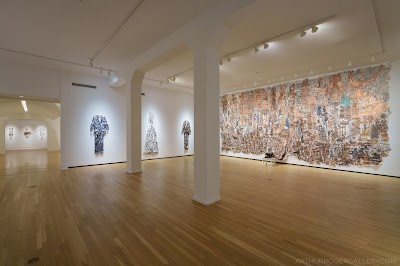
Arthur Roger Gallery
A premier contemporary gallery representing leading regional and national artists.
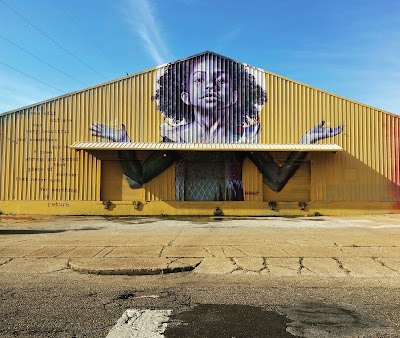
Studio BE
A massive warehouse gallery showcasing the powerful, large-scale graffiti and mixed-media work of local artist Brandan "B-mike" Odums.
Timing
When to visit
Spring
February to May. Mardi Gras and Jazz Fest dominate the calendar. The weather is warm but comfortable, though accommodation prices skyrocket and crowds are dense.
Summer
June to September. Extreme humidity, daily thunderstorms, and peak hurricane season. The city empties out, but hotel rates drop significantly and dining promotions like COOLinary make it attractive for budget travelers.
Autumn
October to November. The humidity breaks, and events like the Voodoo Music + Arts Experience or local food festivals bring energy back to the streets.
Winter
December to January. Mild but unpredictable weather. The city is decorated for the holidays, and the Sugar Bowl brings sports fans in early January.
What it costs
Budgeting
Logistics
Getting around
From the airport
Louis Armstrong New Orleans International Airport (MSY) is located about 15 miles west of the city. The RTA 202 Airport Express runs hourly between MSY and the Central Business District (CBD), stopping at the Main Library, Union Passenger Terminal, Poydras Street, and Convention Center Boulevard. Taxis charge a flat rate of approximately €35-€45 to the French Quarter or CBD, and rideshare apps are widely available.
Public transit
The Regional Transit Authority (RTA) operates buses and historic streetcars. The St. Charles line is iconic but currently undergoing rail upgrades, requiring temporary bus bridges on some sections (such as between Erato Street and Carrollton Avenue). The 49 Riverfront Streetcar runs between the French Market and Julia Street, and the 46 Rampart/UPT line serves the edge of the French Quarter. Note that during Mardi Gras, streetcar services on Canal, St. Charles, and Rampart are suspended and replaced by buses due to parade routes.
Passes & tickets
The RTA "JazzyPass" offers unlimited rides on streetcars and buses. It is highly affordable (around €3-€5 for a 1-day or 3-day pass) and can be purchased via the Le Pass mobile app.
On foot
The French Quarter, Faubourg Marigny, and the Warehouse District are exceptionally walkable, featuring flat terrain and dense layouts. However, sidewalks are notoriously uneven due to tree roots and shifting soil, requiring careful footing.
Local etiquette
Safety & etiquette
- Always tip street musicians and brass bands if you stop to listen; they are working professionals, not background noise.
- Do not refer to the city as "NOLA" or "The Big Easy" in conversation with locals—it marks you immediately as an outsider.
- Respect the solemnity of historic cemeteries; do not touch the tombs or leave trash.
Travel smart
Practical tips
- Download the RTA "Le Pass" app before arriving to purchase streetcar passes and track transit routes in real-time.
- Pack a light rain jacket and an umbrella; sudden, torrential downpours are common year-round.
- If someone bets they can tell you where you got your shoes, ignore them and keep walking—it is a classic street hustle.
- Avoid wearing open-toed shoes in the French Quarter at night; the streets can be wet with a mixture of beer, trash runoff, and river dampness.
- Check Casamento's operating schedule before visiting; they close during the summer ("months without an R") when oysters are out of season.
- When riding the St. Charles streetcar, keep your arms inside the window; the oak trees grow incredibly close to the tracks.
- Buy your Mardi Gras parade packages or festival tickets months in advance, as hotels and flights double in price closer to the dates.
Before you go
New Orleans FAQs
Can I walk around with alcohol?
Yes, open containers are legal in plastic cups. You can carry alcoholic beverages on public streets throughout the city, but glass bottles and aluminum cans are strictly prohibited.
When is the best time to avoid crowds?
Late summer (August and September) is the quietest time. While the weather is intensely hot and humid, you will find empty restaurants, low hotel rates, and no lines at major attractions.
Do I need to book restaurants in advance?
Yes, for historic institutions and trendy spots, reservations are essential weeks in advance. Places like Galatoire's or Commander's Palace book out far ahead, especially for weekend lunches.
Are the streetcars reliable?
Generally yes, but they are subject to delays and detours. Ongoing rail upgrades on the St. Charles line require temporary bus bridges, and major events like Mardi Gras will suspend streetcar service entirely in favor of bus replacements.
What is the dress code for fine dining?
Some historic restaurants require jackets for men. Places like Galatoire's and Commander's Palace strictly enforce a dress code (collared shirts and jackets for men, no t-shirts or shorts), so pack accordingly.