The New Orleans issue
Where to Stay on Your First Trip to New Orleans
Fifteen places to sleep in the French Quarter, the Marigny, the Warehouse District and the Uptown streetcar corridor, with prices, noise levels and who each one suits.

By Robin de VriesThe city by streetcar line, block by block
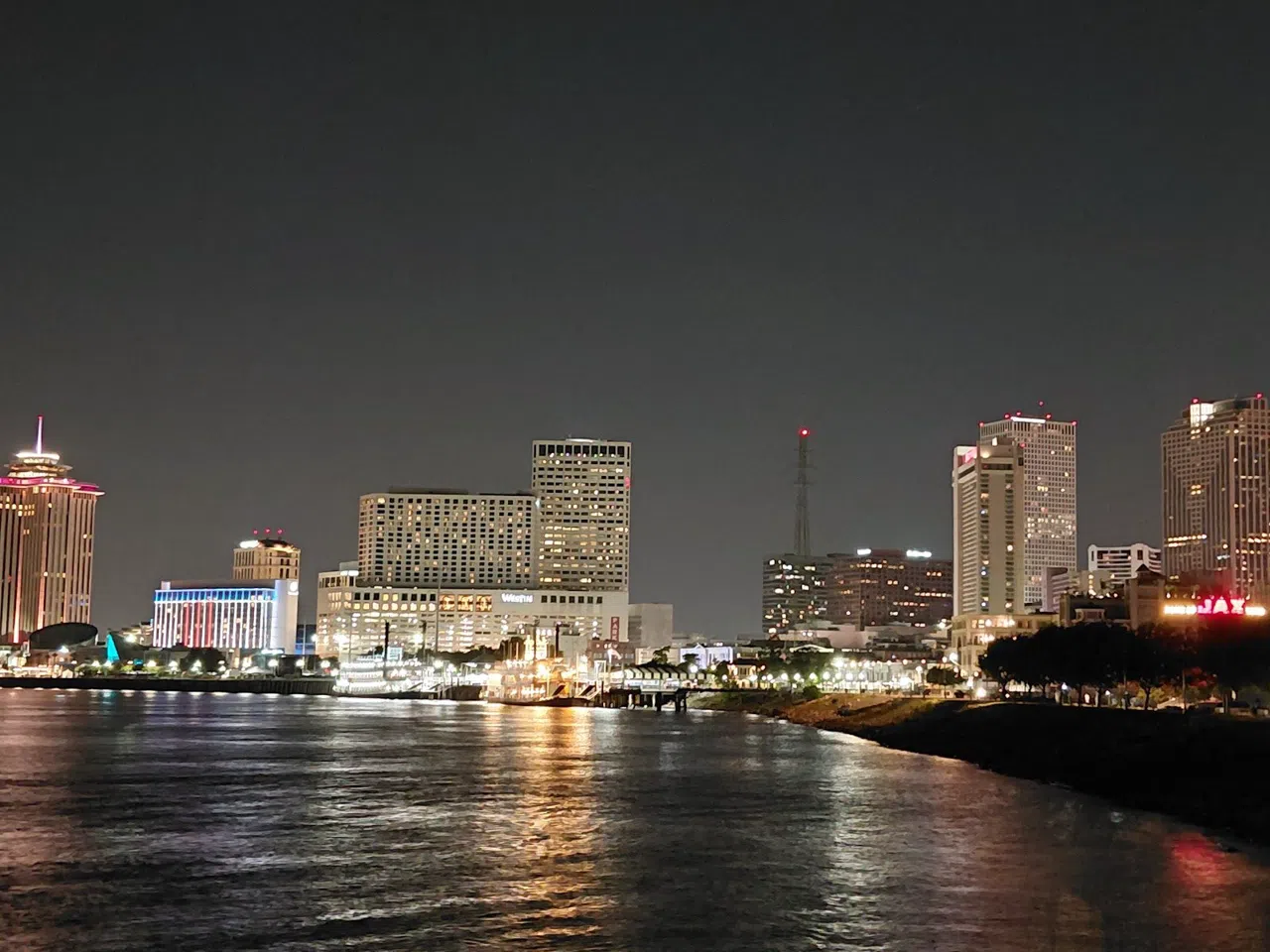
The French Quarter runs thirteen blocks along the river and six blocks back from it, and you can walk the whole of it in half an hour. That scale is the part nobody mentions before a first trip: the difference between the New Orleans you imagined and a week spent wearing earplugs is usually three streets, not three neighbourhoods. Almost everything you have come for sits inside that grid or along the streetcar lines fanning out from Canal Street, so choosing a bed here is less a question of luxury than of deciding what you want to be hearing at two in the morning.
How the city fits together
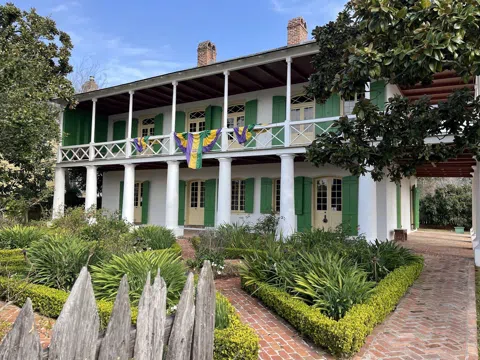
Start with the river, because the city did. The French Quarter is the original settlement of 1718, though very little standing in it is French. Two fires, in 1788 and 1794, took the timber town, and the Spanish rebuilt in brick, which is why you get courtyards, stucco and iron galleries rather than anything resembling a French village. Royal and Chartres are the calm streets, one block either side of Bourbon, which is the loud one. The lower end of the Quarter, past St Philip and towards Esplanade Avenue, is residential and quiet by ten at night.
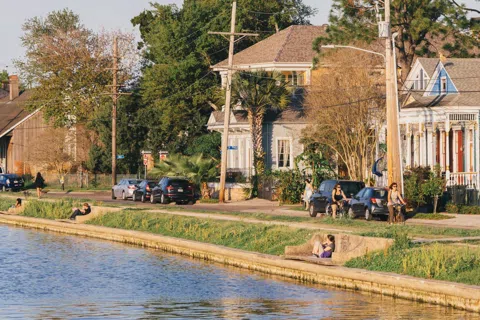
Canal Street is the border. Its enormous median is still called the neutral ground, a name left over from the decades when Creole downtown and the American sector upriver did their business on opposite kerbs. Cross it and you are in the Central Business District, which runs into the Warehouse District, where nineteenth-century cotton stores now hold museums, restaurants and hotels. Keep going up St Charles Avenue and you reach the Garden District and then Uptown: oak trees, mansions, and a streetcar that has run that route since the 1830s. Head the other way, downriver over Esplanade, and you are in the Faubourg Marigny, where Frenchmen Street holds the live music locals actually turn up for.
For a first trip that gives you four workable bases: inside the Quarter, just across Canal, the Marigny, or the streetcar corridor Uptown. All four walk to something worth walking to and none of them needs a car. It is worth running a New Orleans hotel search across a few different weeks before you fix your dates, because the seasonal price swing in this city is far wider than the difference between one neighbourhood and the next.
Plan your New Orleans trip
Live prices from our booking partners.
Free cancellation on many rooms. We may earn a commission when you book.
The Quarter without Bourbon Street in the window
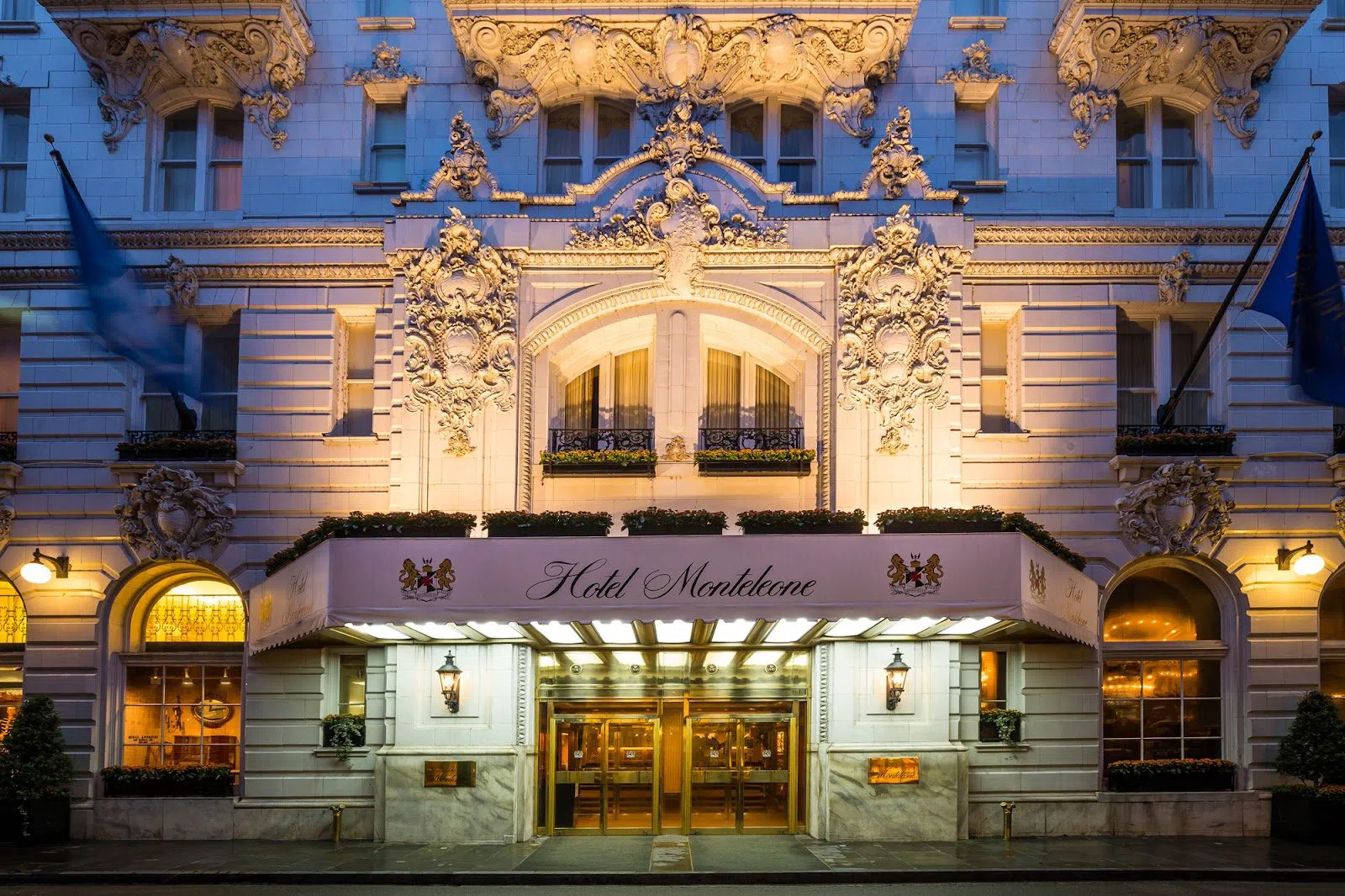
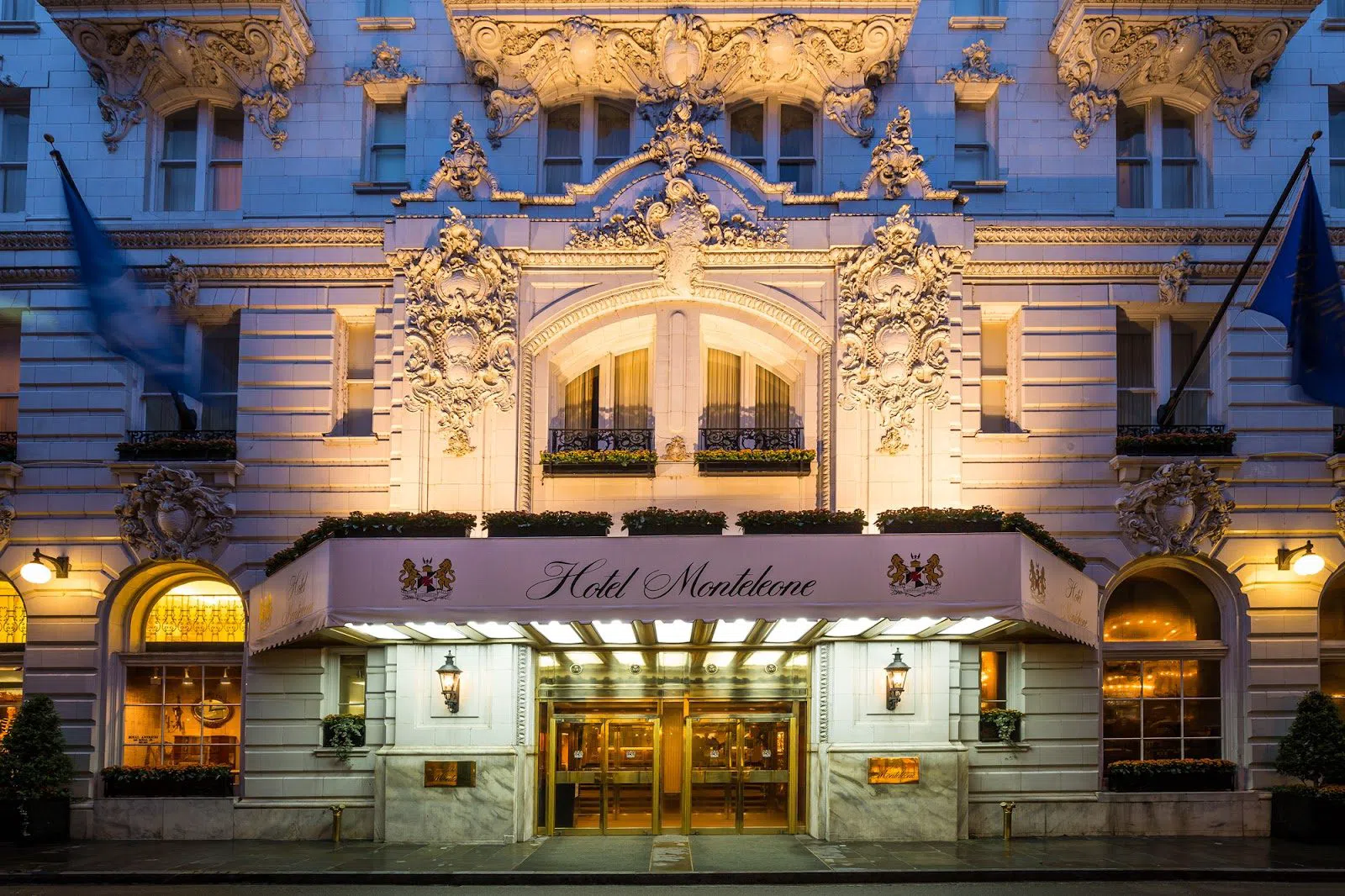
Hotel Monteleone (French Quarter, on Royal Street) is the safest single answer for a first visit. It has been owned by the same family since 1886, it sits deep in the Quarter but on Royal rather than Bourbon, and the famous rotating bar in its lobby means you get one of the city's set-piece drinks without stepping outside. Expect $220-400 a night in ordinary weeks and $500 and up during Mardi Gras, Jazz Fest and the big convention dates. There are ballrooms, meeting floors and a proposal desk, and it handles wedding and reunion room blocks as routine business, which is precisely why its block sells out first. If you want it, book early and specify quiet-side.
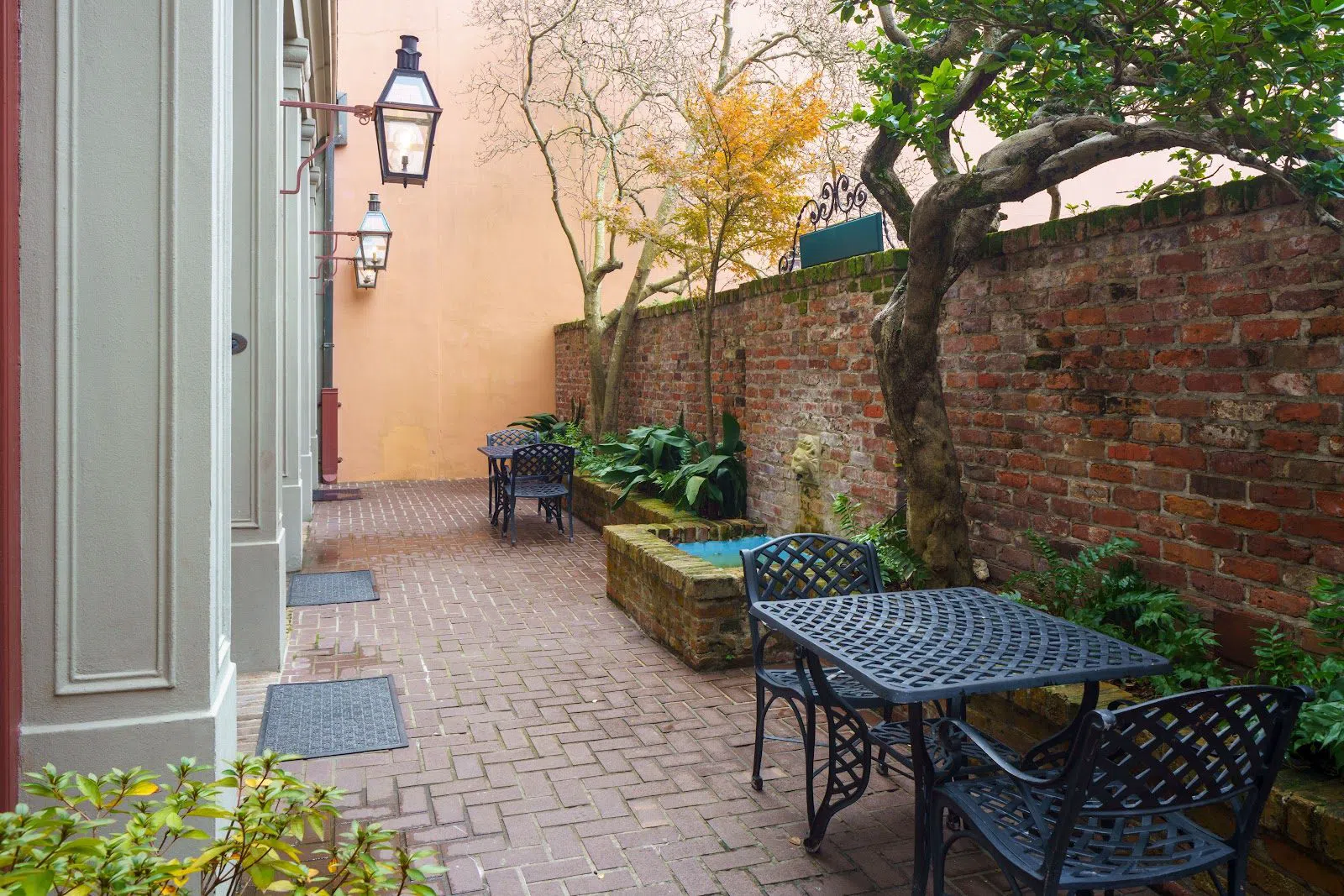
Hotel Provincial (lower French Quarter, on Chartres Street) is the same neighbourhood with six blocks of calm between you and the noise. It is locally owned, it runs $150-260 a night, and it has on-site parking, which almost nowhere else in the Quarter can offer. That combination makes it the value pick for families and for anyone driving in. The Honfleur event room takes parties up to 100, so small group dinners work without leaving the building.
Royal Sonesta New Orleans (French Quarter, on Bourbon Street) is the one to choose if the people you are travelling with insist on being on Bourbon itself. It is among the largest and most dependable hotels in the Quarter, with a full meetings and events department that can hold anything from 20 to 200 rooms, at $200-350 a night and sharply more on festival and Saints weekends. Be honest with yourself about the trade. The street-side balcony rooms are loud until roughly 3am. Ask for courtyard-facing at booking, not at check-in.
A block off Canal where the streetcars start
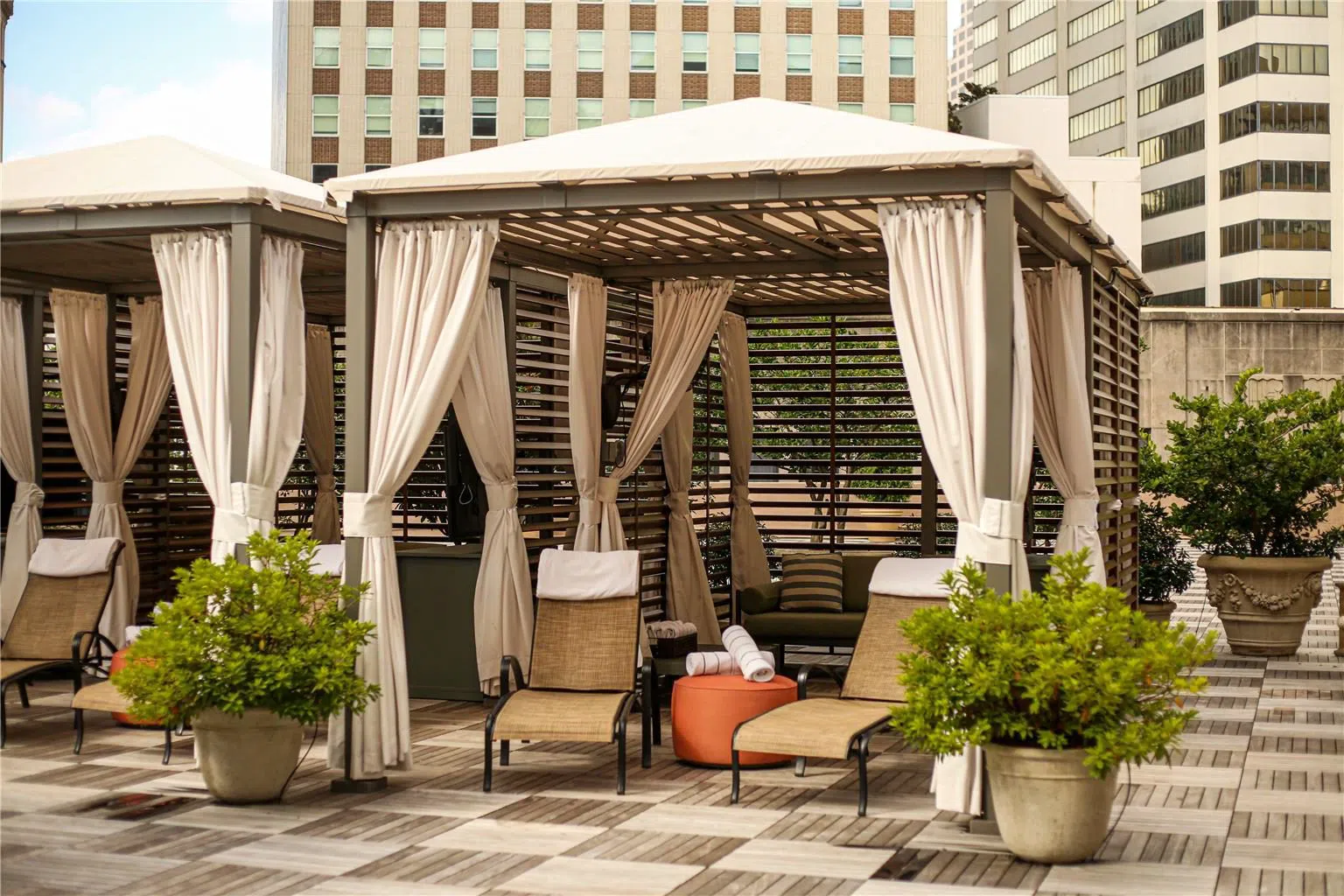
The Roosevelt New Orleans, A Waldorf Astoria Hotel (edge of the Central Business District, one block off Canal) puts you four minutes' walk from the Quarter with the St Charles streetcar at the door, which is the best of both orientations. Rooms run $280-480, and both Mardi Gras and the Christmas lobby-decoration season, when the block-long lobby is dressed and people come simply to look at it, run far above that. The Crescent Ballroom and a full conference floor make it a standard choice for large blocks, weddings and corporate groups. Its Sazerac Bar is where you drink the cocktail the city gave its name to.
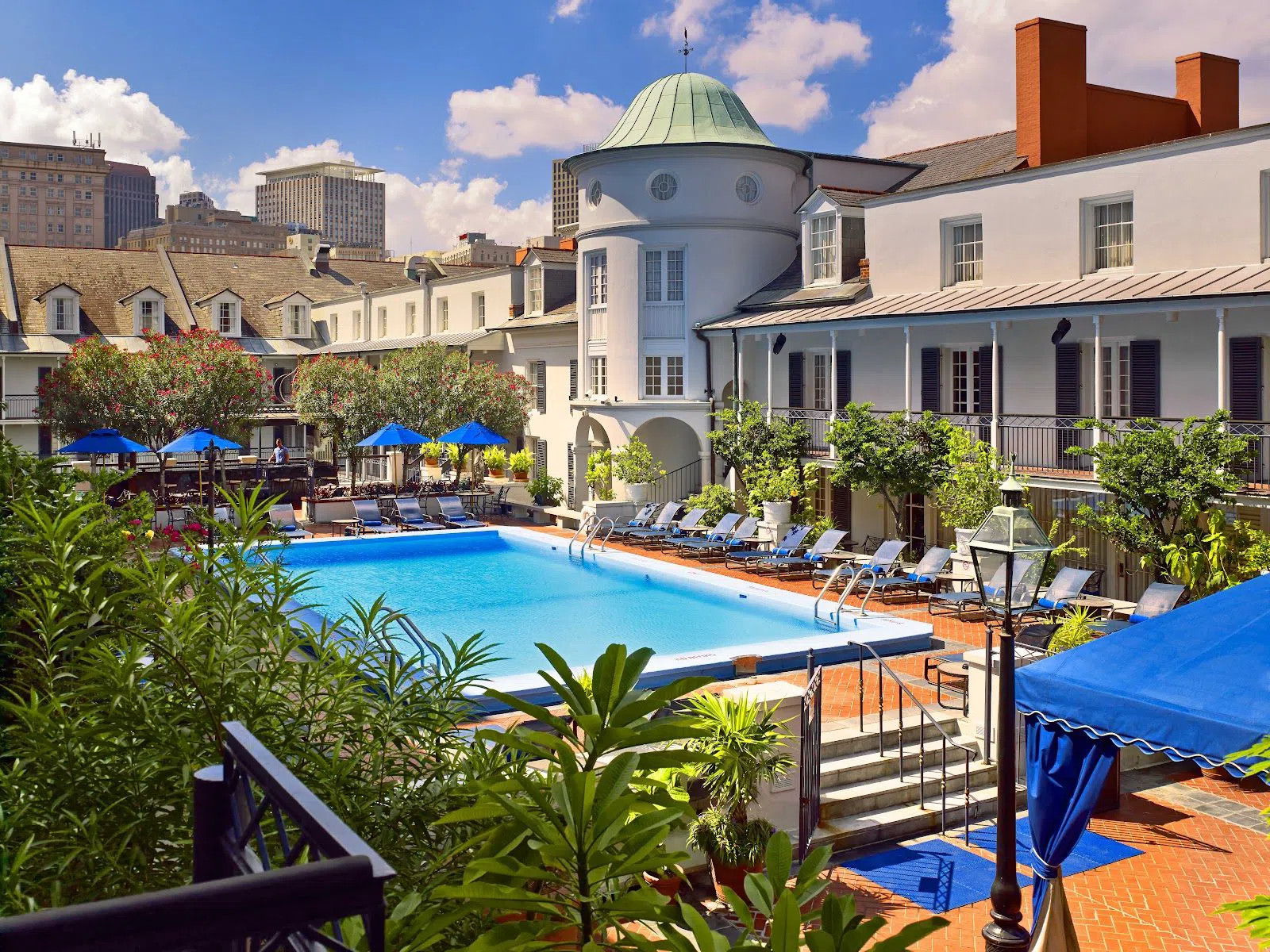
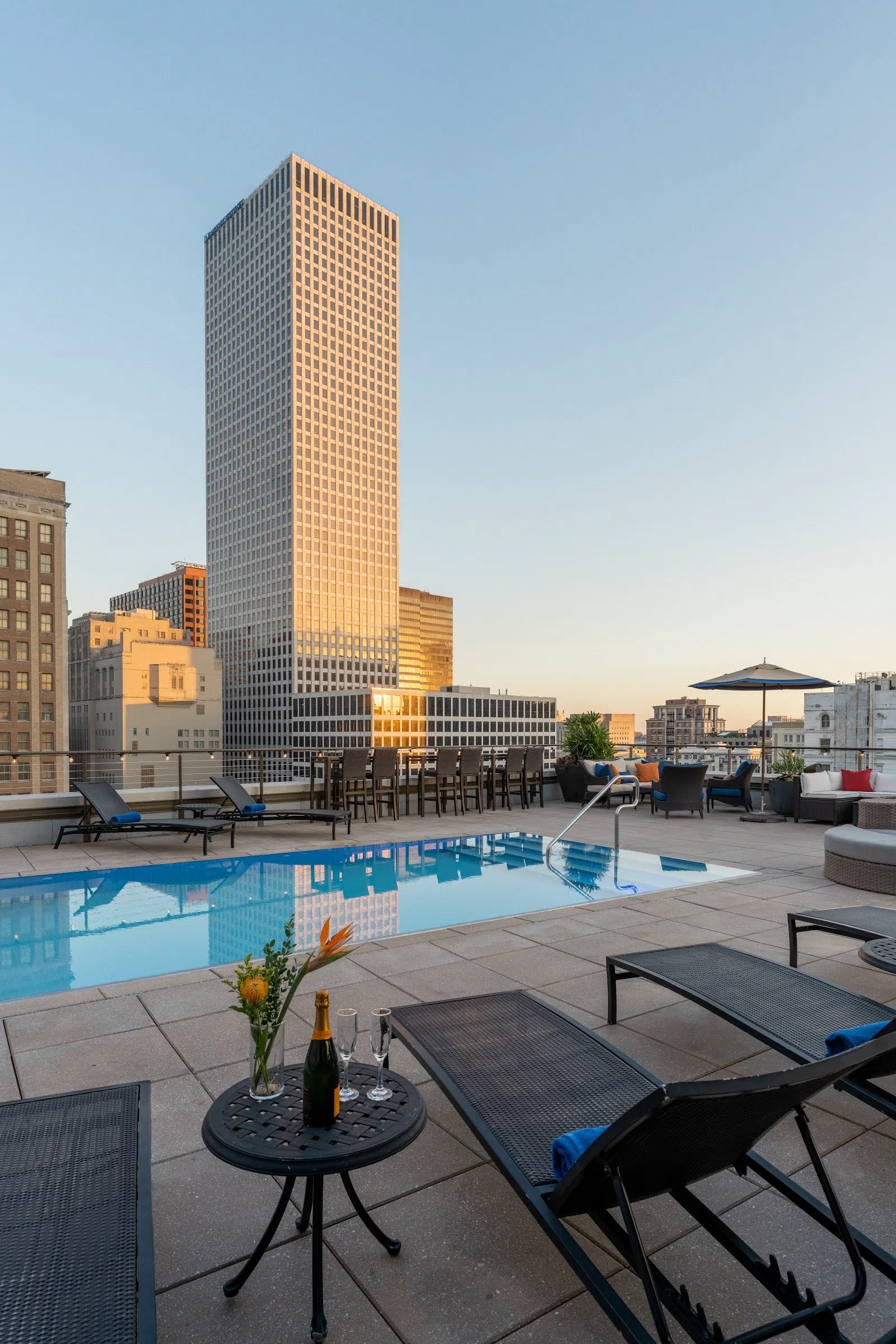
NOPSI Hotel New Orleans (Central Business District, three blocks from the Quarter) occupies the building from which the city's electricity and streetcars were run until 1980, which is a better piece of provenance than most conversions can claim. There are 217 rooms including 60 suites, a rooftop pool, and full event space, at $230-380 a night. It is a genuine workhorse for medium and large room blocks, and the suites are big enough that groups sharing can make the numbers work without anyone sleeping badly.
Two quiet ways to spend more
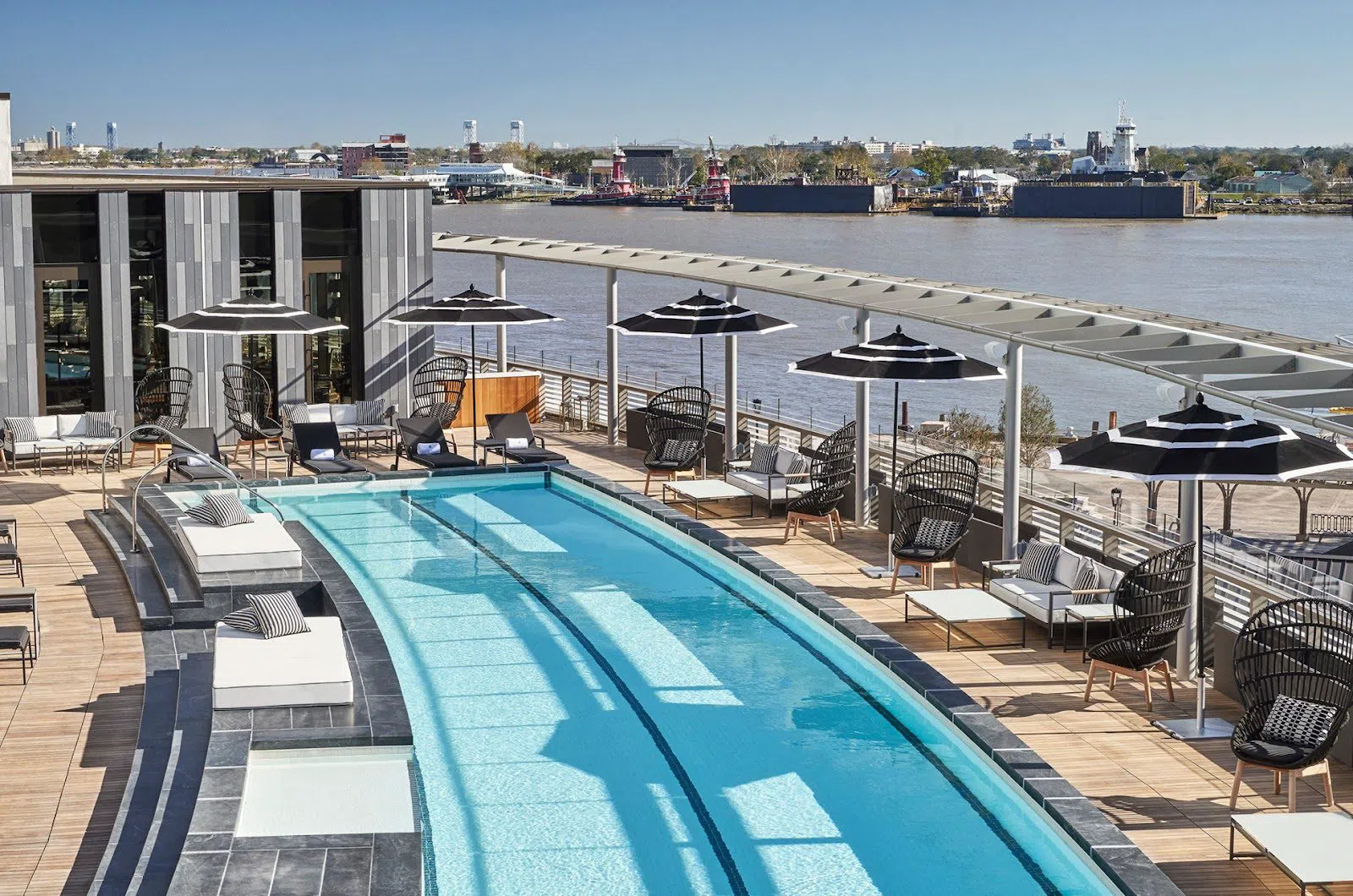
Four Seasons Hotel New Orleans (riverfront, at the foot of Canal Street) is the most straightforward luxury bed in the city and the only one with the Mississippi at the window. Rates run $500-900 with suites well above. Chandelier Bar downstairs has Preservation Hall players in the room, and Miss River upstairs is Alon Shaya's Creole dining room. There are extensive event floors and a dedicated group sales team; the door is open to anyone who books, but understand this as a spend-level hotel rather than a party one.
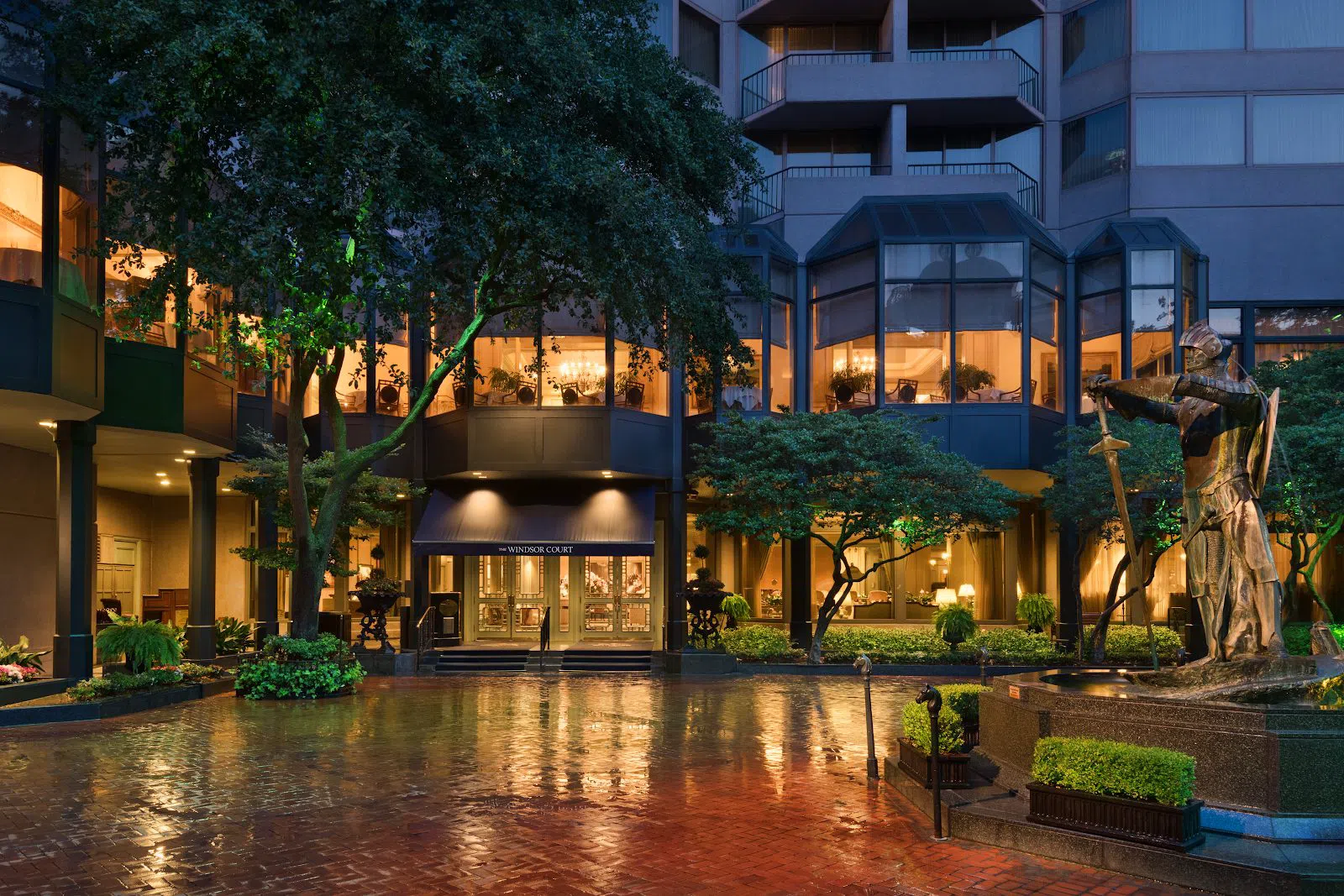
Windsor Court Hotel (Central Business District) is the antidote to the Quarter: hushed corridors, unusually large suites for the money at $300-480, a proper afternoon tea, and five minutes on foot to Canal Street when you do want the noise. It handles meetings and private events, but the atmosphere sets the limit, and it suits a family or a small executive group far better than a celebration block.
The Warehouse District for the museum and the pool decks
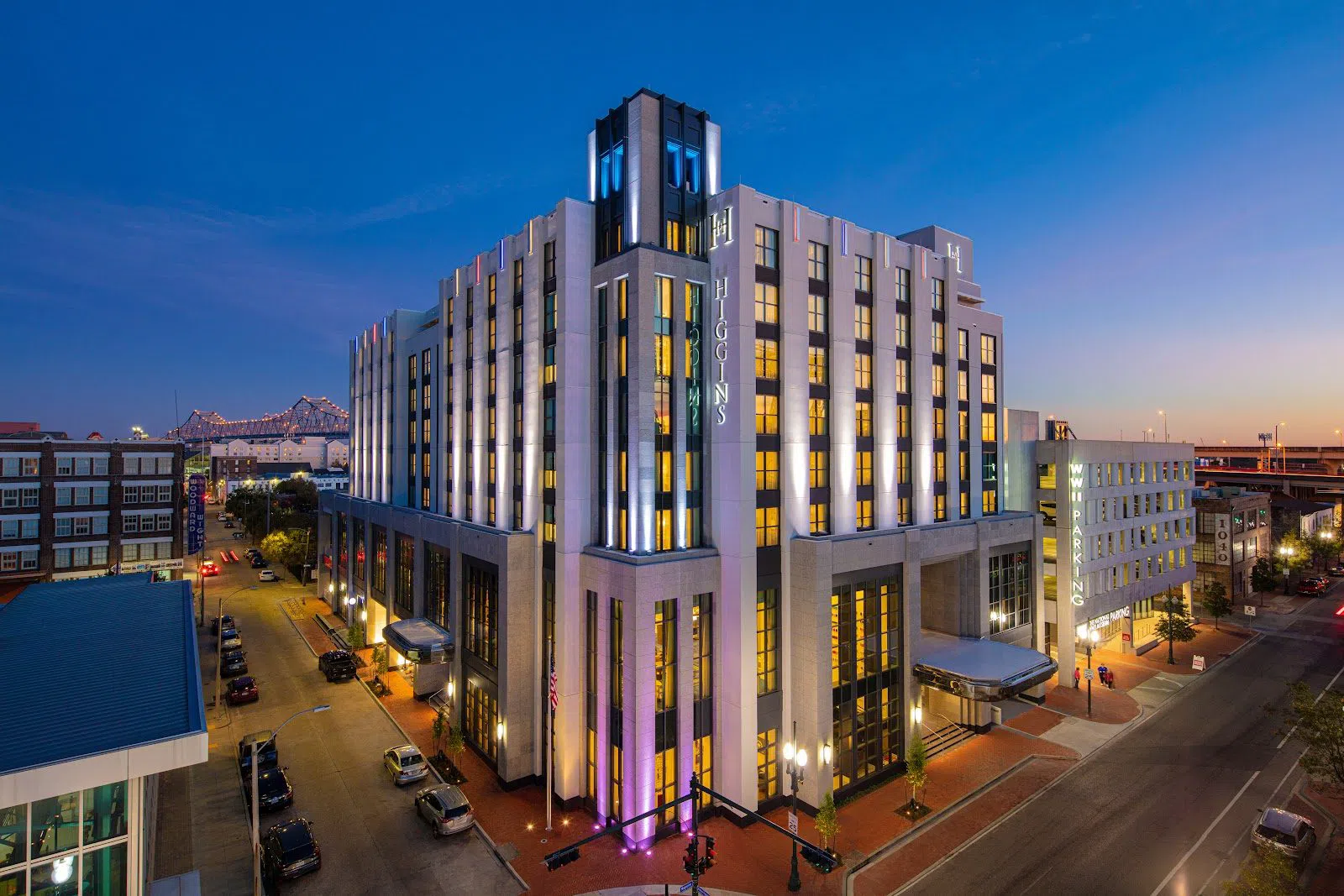
The Higgins Hotel New Orleans, Curio Collection by Hilton (Warehouse District) is the official hotel of the National WWII Museum and stands 226 feet from its door. If you are travelling a long way to see that museum properly (it takes a full day, sometimes two), this removes the one awkward walk from the itinerary. There are 230 rooms, 18,000 square feet of conference space across 14 meeting rooms, and a 1940s design theme carried through with more restraint than you would expect, at $200-330 a night.
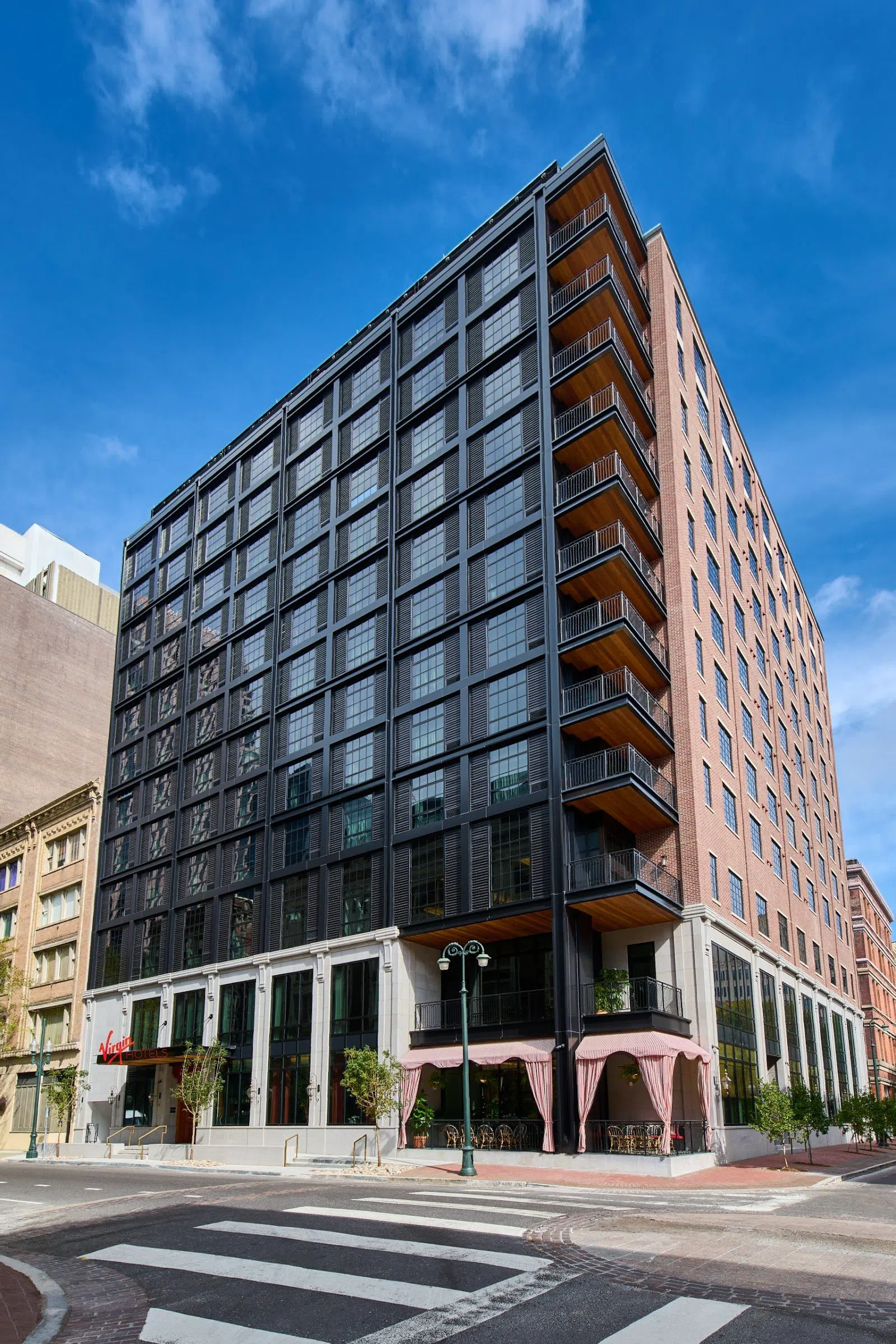
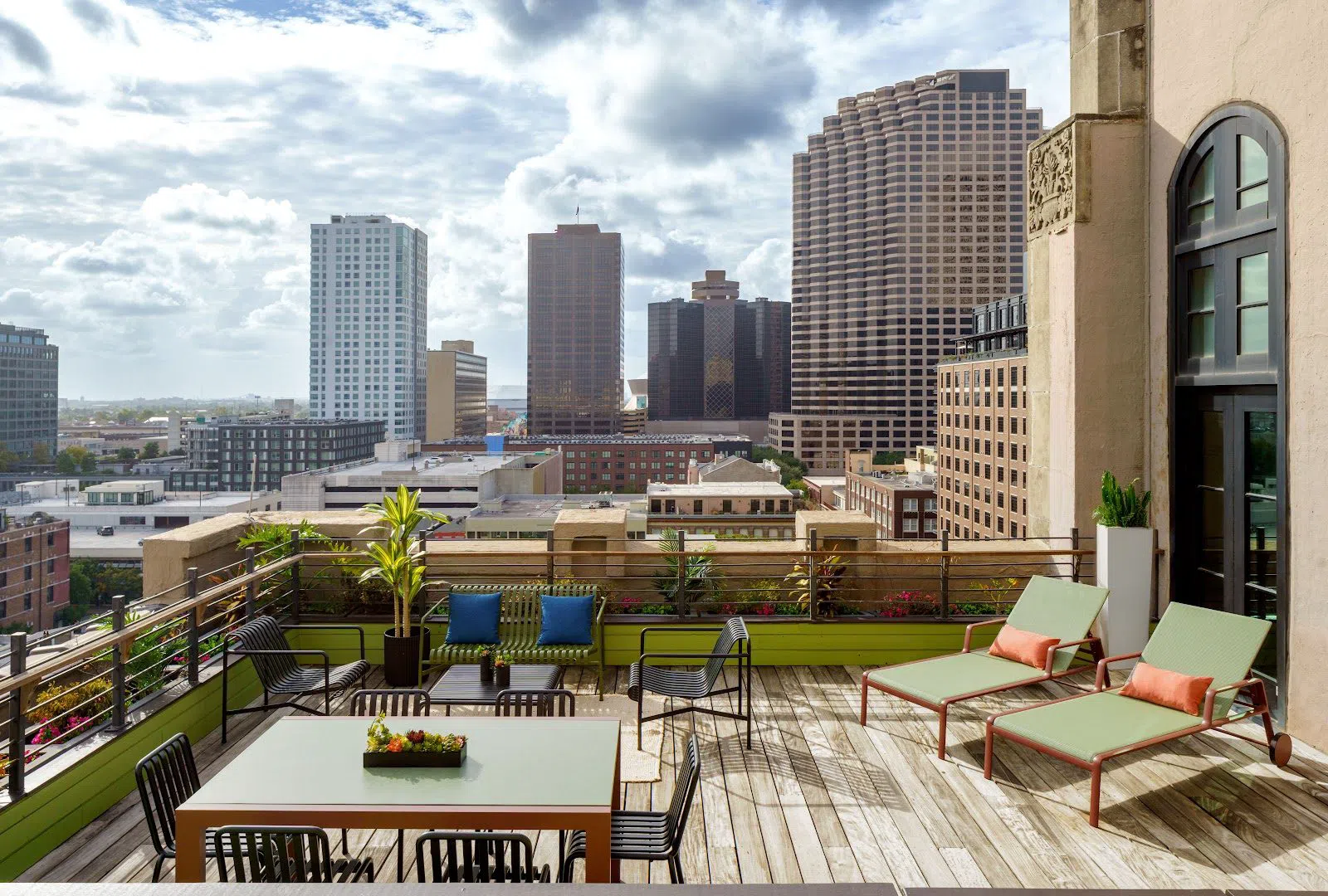
Virgin Hotels New Orleans (Warehouse District) is the pick if you want to meet people rather than avoid them. The rooftop Pool Club is a nightlife venue in its own right and sells day passes, so non-residents come up too, which is the whole point if you are travelling solo and the reason to look elsewhere if you are not. Rooms run $200-340 and have a proper dressing-room door between the bed and the bathroom, which matters more than it sounds when two people share.
The Barnett, part of JdV by Hyatt (Warehouse District, on the CBD edge) was the Ace Hotel until the 2024 Hyatt rebrand, and both the Art Deco room stock and the live-music lobby survived the change. There is over 16,000 square feet of flexible event space and a music hall that makes a group takeover natural, at $190-330. Book under the current names: Three Keys is now Good Measure and Josephine Estelle is now Brutto Americano, and older write-ups will send you looking for signage that no longer exists.
The Marigny for people who want the streets, not the strip
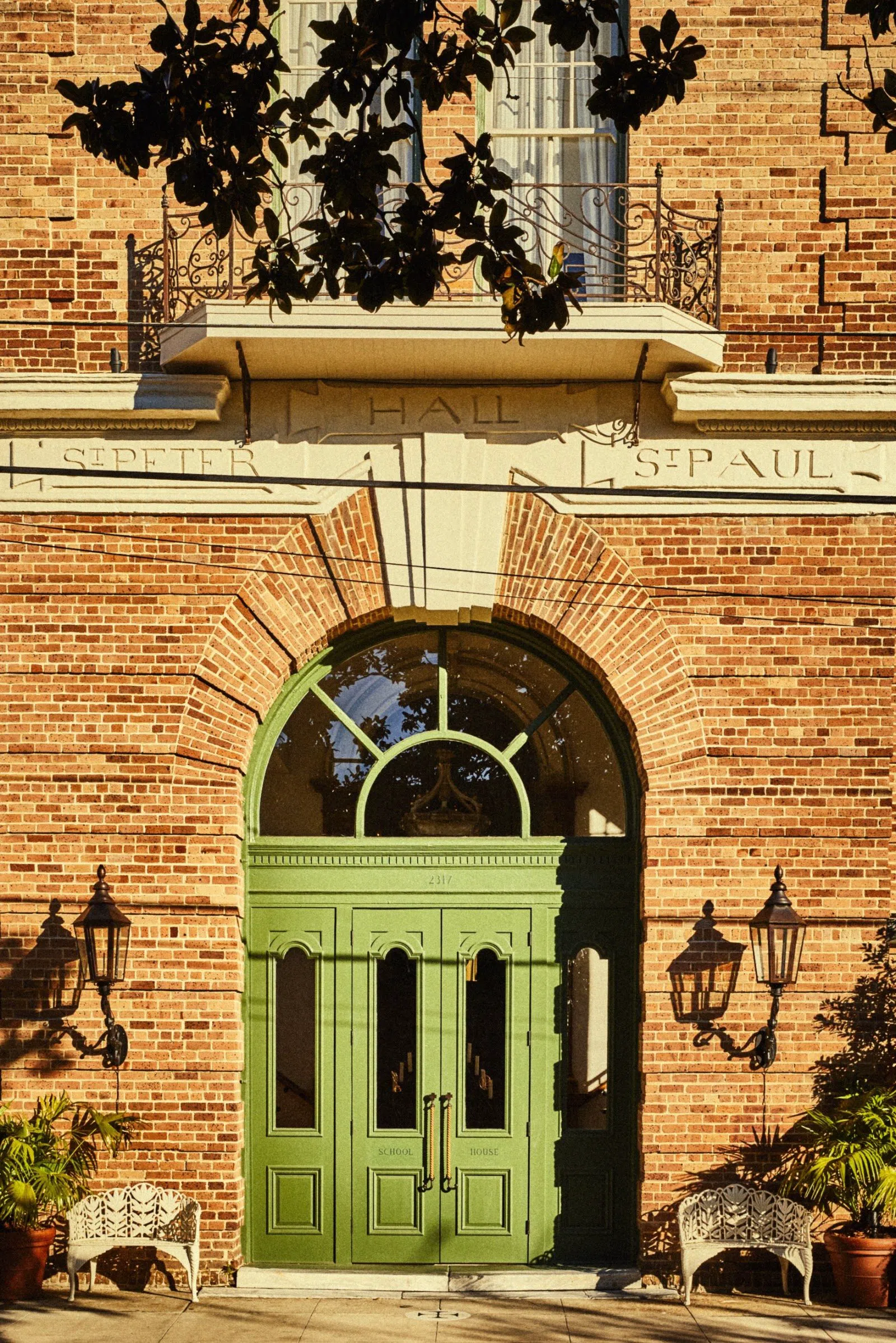
Hotel Peter and Paul (Faubourg Marigny) is a deconsecrated church and its convent, and it is the single most distinctive room in New Orleans. You are steps from the jazz clubs of Frenchmen Street and entirely out of the Quarter's noise, in a neighbourhood where people live. Rates are $220-400 with discounts for stays of three nights or more, which rewards the way you should be seeing this city anyway. The church itself takes long-table dinners, weddings and gatherings, and the hotel is small enough that a full buyout is realistic for a wedding party.
Uptown, where the streetcar does the work
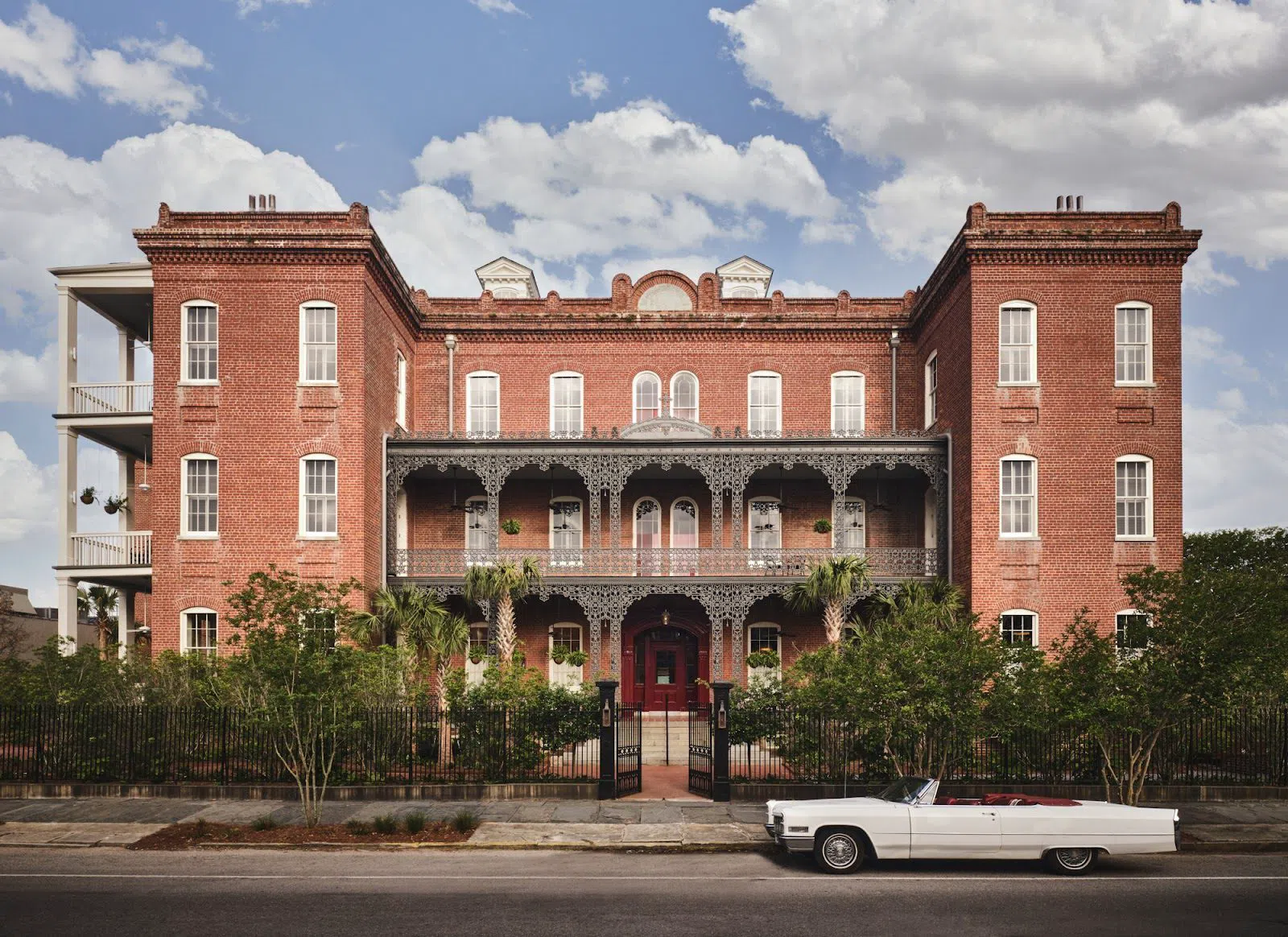
Hotel Saint Vincent (Lower Garden District, on Magazine Street) is a Michelin Key hotel in a former orphanage, sitting on the shopping strip rather than the tourist one. There are 75 rooms, which makes a partial buyout feasible, at $250-450 a night. San Lorenzo downstairs does pasta and Elizabeth St. Café does Vietnamese coffee, so dinner is a flight of stairs away. Choose this if you would rather walk to a restaurant than to Bourbon Street.
The Pontchartrain Hotel (Garden District, on St Charles Avenue) is a 1927 landmark with the streetcar at the kerb and a rooftop bar that locals actually use, at $200-350. For a first trip that wants oak trees and mansions as well as the Quarter, it is the best base in the city. One honest caveat for groups: Hot Tin upstairs is first-come, first-served and will not hold space for a party arriving together, so send two people ahead or plan a different room for the toast. The hotel itself has an RFP desk for meetings and events.
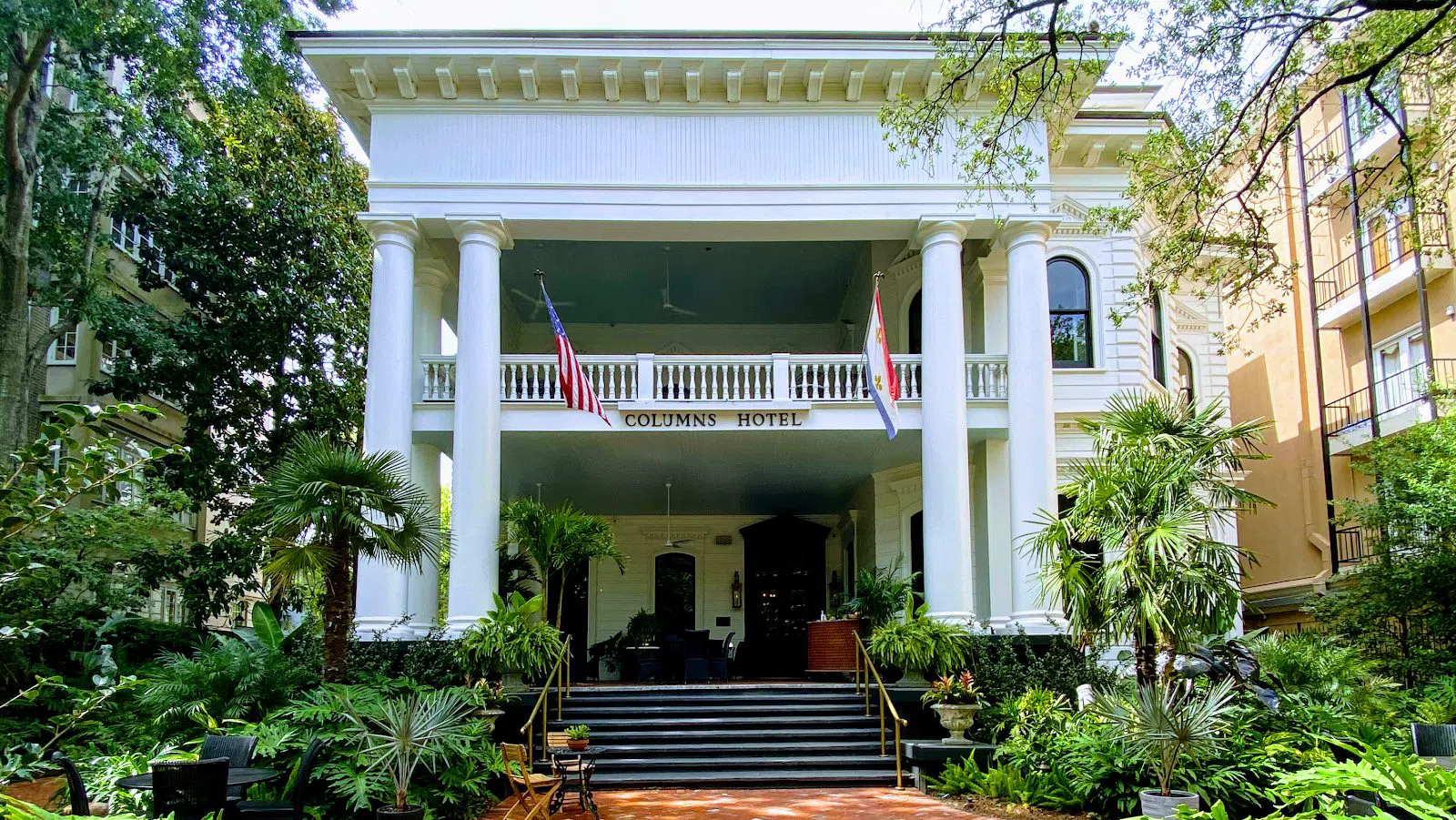
The Columns (Uptown, on St Charles Avenue) is an 1883 mansion, a Michelin Key hotel, and the owner of a porch bar that counts as a city institution. Rooms run $200-350, private events and a live-music calendar are handled in-house, and because the porch is public and gets genuinely busy you should reserve if there are more than four of you. Understand the geography before you book. This is a 25-minute streetcar ride into town, which is a pleasure the first three times and a calculation after that.
Sleeping cheap without missing the point
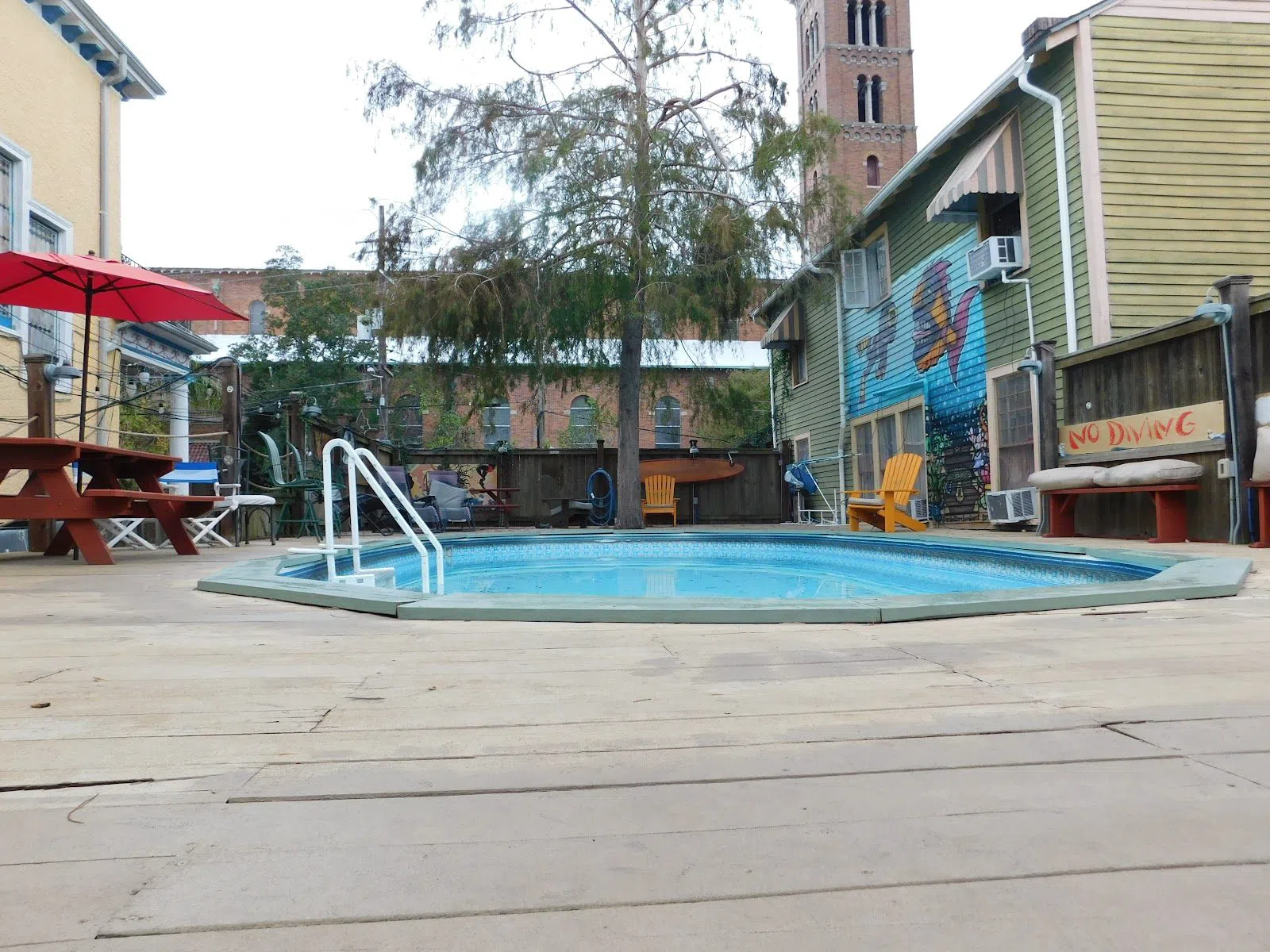
India House Hostel (Mid-City) is the budget answer that still delivers the reason you came: pool parties, cookouts and jam sessions in the yard, ten minutes from the Quarter on the streetcar. Dorm beds run $30-45 and private rooms roughly $90-130, with weekly rates for longer stays. It is a backpacker house rather than a block-booking hotel, so if you are arriving as a group of any size, email ahead with your numbers instead of booking bed by bed and hoping.
Booking several rooms at once
If you are holding a block for a wedding, a reunion or a conference, the reliable heavy lifters are the Royal Sonesta, The Roosevelt, NOPSI and The Higgins. All four have real events departments and the room count to absorb 20 to 200 keys without splitting your party across buildings. Hotel Monteleone does this well too, but it is the first Quarter block to disappear from the calendar. For a wedding that wants character over capacity, Hotel Peter and Paul and Hotel Saint Vincent are small enough to take over in part or in whole. Whatever you choose, get the contract signed before the festival calendar for your month is published, because rates reset upward the moment it is.
What to sort before you arrive
You do not need a car. The streetcar and bus network covers everything in this guide, a single ride costs a little over a dollar and a day pass a few dollars, and both are easiest bought through the transit app before you board. Rideshare fills the gaps, and the Quarter is closed to most traffic in the evenings anyway. If you do drive in, parking is the deciding factor rather than the room rate, which is the argument for Hotel Provincial.
Cards work everywhere you will eat and sleep, but carry small bills. Street musicians on Royal, brass bands on Frenchmen and second-line parades all run on cash in a tip jar, and that is a large part of what you have travelled here for.
On timing, late February through May and October through December are the good months. Mardi Gras, French Quarter Fest and Jazz Fest each add several hundred dollars a night to everything above and fill the city months out, so decide early whether you want the festival or the fair price, because you cannot have both. High summer into early autumn is humid and thunderous, hurricane season runs to the end of November, and hotel rates fall accordingly, which is a real opportunity if you are heat-tolerant.
Budget roughly $200-350 a night for a good central room outside festival dates, $150 at the low end of the Quarter, $500 and up for the riverfront. Three nights is the minimum that works; five lets you get Uptown and into the Marigny without rushing. Read the New Orleans guide for what to do once your base is settled. The eating and the music are, sensibly, a separate conversation.
Before you go
Should a first-time visitor stay inside the French Quarter?
For most people, yes, but on Royal or Chartres rather than Bourbon. Hotel Monteleone on Royal and Hotel Provincial in the quiet lower Quarter give you the same walkability without the street noise, and Hotel Provincial has on-site parking, which is rare here. Book Bourbon Street itself, at the Royal Sonesta, only if being on that street is the point of the trip, and ask for a courtyard-facing room.
How many nights do I need in New Orleans?
Three nights is the workable minimum for the Quarter, the Warehouse District museums and one evening on Frenchmen Street. Five lets you add the Garden District and Uptown along the St Charles streetcar without rushing anything, and Hotel Peter and Paul discounts stays of three nights or more, so the longer trip is not always the more expensive one per night.
Do I need a car in New Orleans?
No. The streetcar and bus network reaches everywhere in this guide, a single ride costs a little over a dollar, and the Quarter is closed to most traffic in the evenings. If you are driving in, parking rather than room rate is what should decide your hotel: Hotel Provincial has it on site, and most Quarter hotels do not.
When are hotel prices highest?
Mardi Gras, French Quarter Fest and Jazz Fest, plus Saints home weekends and the big convention dates. Rooms that run $220-400 in a normal week go past $500 during those periods, and The Roosevelt also climbs through its Christmas lobby-decoration season. If your dates are flexible, late spring and autumn outside festival weekends give you the same city at ordinary rates.
Is it a mistake to stay Uptown instead of downtown?
Not if you know the geography. The Pontchartrain in the Garden District has the streetcar at the kerb and is an easy ride into town. The Columns, further out, is a 25-minute ride each way; lovely, but you will feel it on the third late night. Hotel Saint Vincent on Magazine Street is the compromise, close enough to walk to dinner and a short ride from the Quarter.